
Beautiful Plants For Your Interior
Beautiful Plants For Your Interior
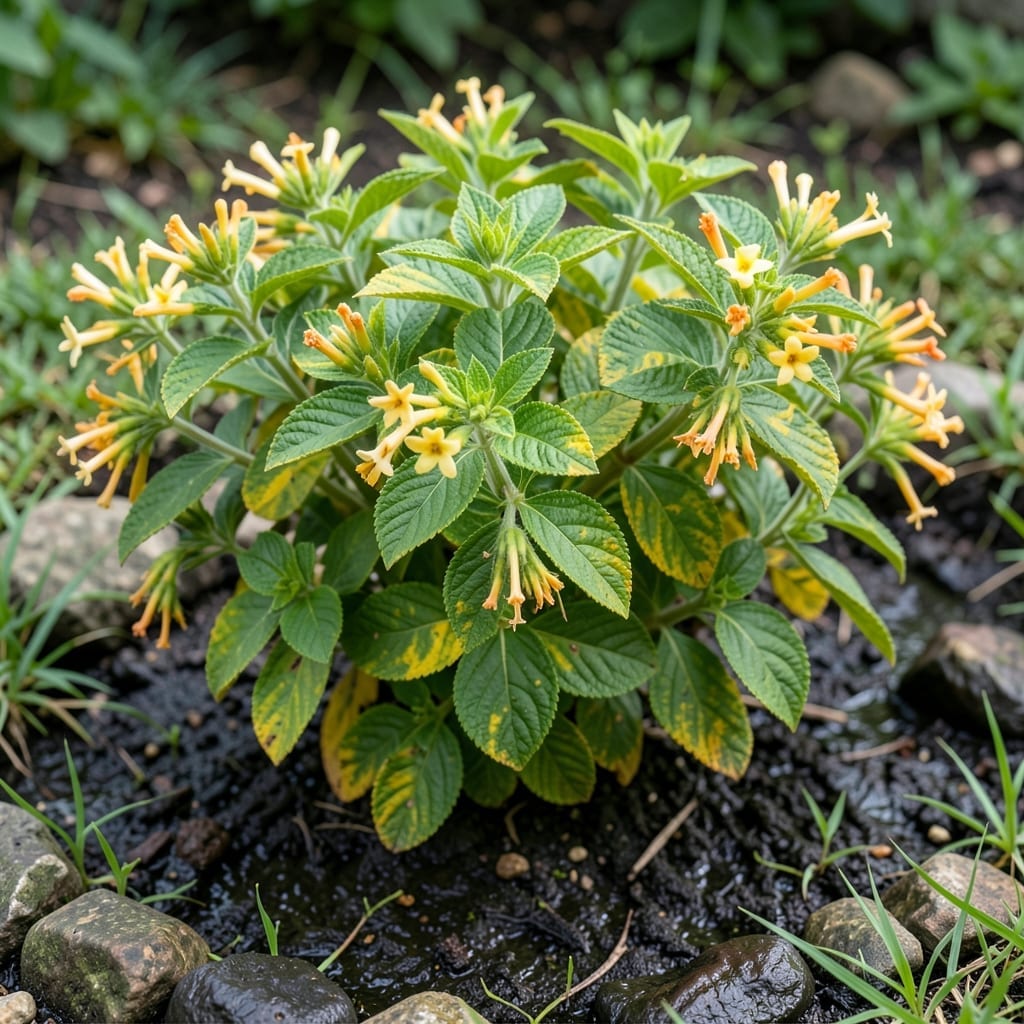
Drooping lantana leaves had me stumped last summer. Turns out, I was loving my plants to death with too much water. The wilting looked like thirst, but the soil told the real story—soggy and smelling slightly off.
Overwatering suffocates roots, turning them mushy and brown instead of white and firm. I learned the hard way that lantana thrives on neglect, not constant attention. These tough plants prefer dry conditions between waterings.
You can bring them back with a few simple steps: stop watering immediately, check the roots, and repot if needed. Most bounce back within 2-3 weeks with the right care.
Now I water only when the top 1-2 inches of soil are completely dry. My lantana have never been happier—or more vibrant.
Overwatering lantana often stems from a few common missteps in care. Understanding these causes helps prevent stress and root rot in your plants.
Lantana thrives in well-draining soil and prefers dry conditions between waterings. Frequent watering, especially in humid climates, saturates the soil, depriving roots of oxygen. This leads to anaerobic stress, where roots suffocate and decay. Stick to watering only when the top 1-2 inches of soil are dry.
Soil that retains too much moisture—like heavy clay or compacted garden beds—traps water around the roots. Without proper drainage, lantana roots sit in stagnant water, increasing the risk of Phytophthora or Pythium fungi, which cause root rot. Use sandy loam or amend soil with perlite to improve drainage.
Lantana is drought-tolerant once established, but many gardeners assume it needs constant moisture like thirstier plants. Overcompensating with water, especially in cooler weather when evaporation slows, overloads the plant. Adjust watering based on seasonal temperature and rainfall.
Potted lantana in containers without drainage holes is a recipe for overwatering. Water pools at the bottom, creating a soggy environment. Always use pots with drainage holes and elevate them to prevent waterlogging.
Lantana bouncing back from overwatering is absolutely possible with the right steps. Address each issue head-on to restore its vibrant blooms and healthy foliage.
If the soil feels soggy, stop watering immediately. Move the plant to a shaded, well-ventilated area to speed up drying. For potted lantana, tilt the container to drain excess water. If the soil stays wet for days, repot into fresh, well-draining mix (add perlite or sand).
Prevention tip: 💡 Water only when the top 1-2 inches of soil are dry. Use a moisture meter if unsure.
Gently remove the plant from its pot or dig around the roots in the ground. Trim away black, mushy roots with sterilized pruners. Soak the remaining healthy roots in a 1:10 hydrogen peroxide-to-water solution for 10 minutes to kill fungus. Repot in clean soil and a sanitized container.
Prevention tip: ✨ Ensure containers have drainage holes and use a fungicide drench (like copper-based) every few months in humid climates.
Prune wilted or yellowing leaves to redirect energy to healthy growth. If the plant is severely stressed, trim back up to one-third of the foliage. Keep it in bright, indirect light and mist the leaves lightly to reduce transpiration stress while roots recover.
Prevention tip: 🌡️ Avoid overhead watering to keep leaves dry and prevent fungal issues.
After addressing water issues, support recovery with a balanced, water-soluble fertilizer (10-10-10) at half strength. Avoid heavy feeding until the plant shows new growth. Mulch lightly with organic matter to regulate soil moisture without suffocating roots.
Prevention tip: 🎯 Group lantana with other drought-tolerant plants to avoid overwatering the whole area.
Water only when the top 1-2 inches of soil are completely dry. In hot climates, this might mean watering every 5-7 days, but less in cooler weather. These plants thrive on neglect!
Once leaves turn yellow from overwatering, they typically won’t regain their green color. Trim them off to focus the plant’s energy on new, healthy growth. Recovery takes about 2-3 weeks.
Use a well-draining mix like sandy loam or cactus soil. Amend heavy soil with perlite or sand to improve drainage. This prevents water from pooling around the roots.