
Beautiful Plants For Your Interior
Beautiful Plants For Your Interior
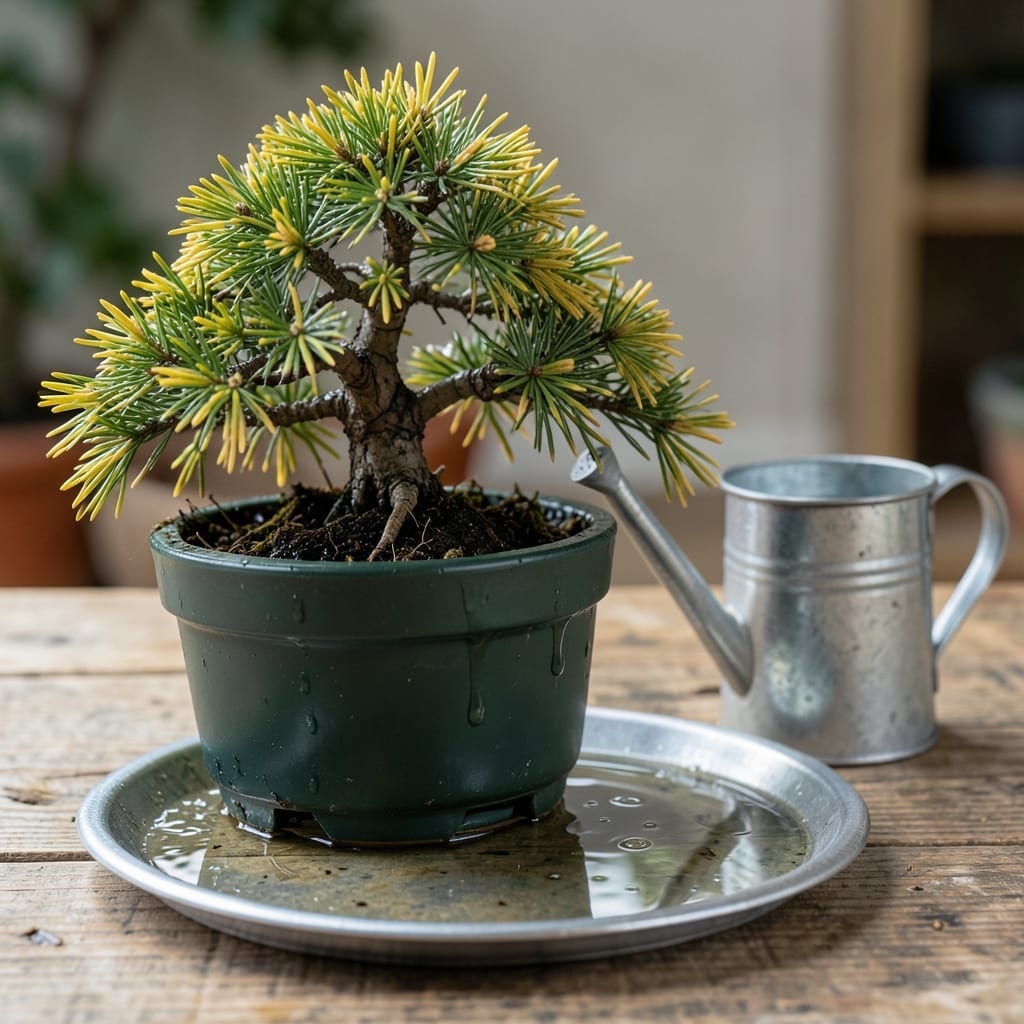
Yellowing needles and soft bark mean your juniper is drowning. I’ve saved dozens of overwatered bonsai by catching the signs early—soggy soil, black roots, that telltale sour smell.
The fix isn’t complicated: stop watering, check drainage, and let the roots breathe. Most people kill these plants with kindness, but junipers thrive on neglect more than attention.
Within 2-3 weeks of proper care, you’ll see new growth returning. The key is patience—resist the urge to fuss and let the tree recover on its own timeline.
Works for any juniper variety, from shimpaku to needle. Here’s exactly how to pull it back from the brink.
Overwatering a juniper bonsai usually stems from a few key missteps in care. Here’s why it happens:
Juniper bonsais thrive in well-draining soil. When pots lack drainage holes or use dense, water-retentive soil, excess moisture lingers around the roots. This suffocates the root system, preventing oxygen uptake and leading to root rot. Always use a bonsai mix with coarse particles like akadama or pumice.
Many growers water on a fixed schedule rather than checking soil moisture. Junipers prefer slightly dry conditions between waterings. Overwatering disrupts the soil’s air pockets, promoting fungal growth. Stick your finger an inch into the soil—only water when it feels dry.
Small bonsai pots can exacerbate waterlogging. If the pot is too large, excess soil holds moisture longer than the plant can use. Conversely, a pot that’s too small may force roots into a compact, waterlogged mass. Choose a pot proportional to the tree’s root ball.
Cool temperatures and high humidity slow evaporation, increasing the risk of overwatering. In such conditions, reduce watering frequency. Conversely, hot, dry climates may require more frequent checks to balance moisture levels.
If your juniper bonsai is showing signs of overwatering, don’t panic—there are clear steps to nurse it back to health. Address the root of the problem and adjust your care routine to prevent future issues.
First, stop watering immediately and check the soil. If it’s waterlogged, repot your bonsai in fresh, well-draining soil (a mix of akadama, pumice, and lava rock works best). Ensure the pot has drainage holes to let excess water escape. Pro tip: 💡 Elevate the pot slightly to allow airflow underneath.
Yellow or dropping needles often mean too much moisture. Let the top layer of soil dry out completely between waterings. Stick your finger an inch into the soil—if it feels damp, wait. Water only when it’s dry. Prevention: Use a moisture meter 🌡️ to take the guesswork out of timing.
If roots are dark, mushy, or smelly, they’re likely rotting. Carefully prune away affected roots with sterilized scissors, then repot in fresh soil. To prevent fungal growth, water with a diluted hydrogen peroxide solution (1 part 3% peroxide to 4 parts water) once after repotting. Prevention: ✨ Always use clean tools and avoid over-potting (smaller pots dry out faster).
Juniper bonsais need good air circulation to thrive. Move yours to a bright, breezy spot (outdoors is ideal) where humidity doesn’t linger. Avoid stuffy indoor corners or overcrowded shelves. Pro tip: 💡 A small fan on low can help, but avoid direct drafts.
With these fixes and a little patience, your juniper can recover its vigor. Stay consistent, and your bonsai will thank you with lush, healthy growth!
Water only when the top 1 inch of soil feels completely dry. Check with your finger daily at first. In most climates, this means watering every 5-7 days, but always go by soil feel, not schedule.
Use a fast-draining bonsai mix: 60% inorganic (akadama, pumice) and 40% organic (pine bark). This ensures roots get both moisture and oxygen. Avoid garden soil or peat-heavy mixes.
Yes, but act fast. Trim all dark, soft roots with sterilized tools, repot in fresh mix, and hold off on watering for 1 week. A diluted hydrogen peroxide rinse can help kill fungus.