
Beautiful Plants For Your Interior
Beautiful Plants For Your Interior
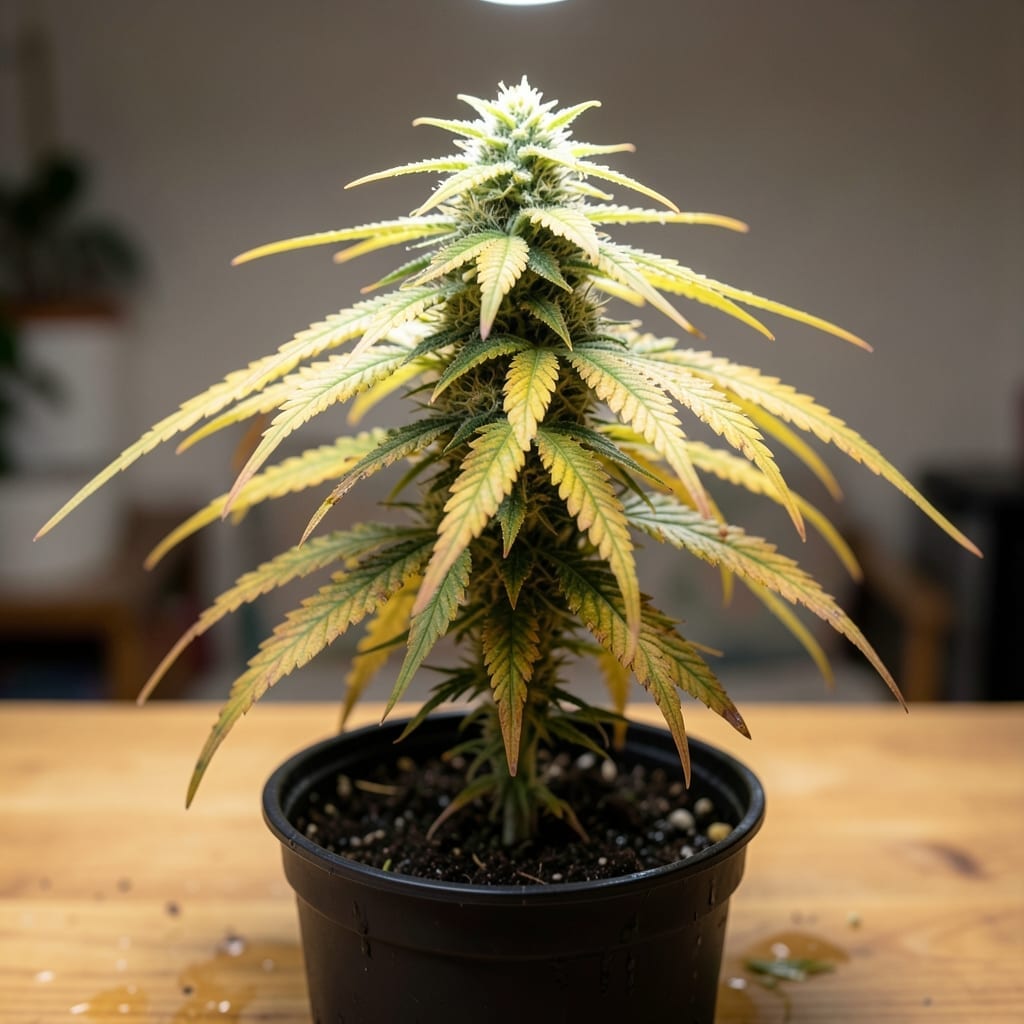
My first autoflower nearly drowned before it could flower. Overwatering is the silent killer of these fast-growing plants, turning healthy roots into mushy brown messes overnight.
I learned the hard way that autoflowers hate soggy feet. Yellowing leaves, drooping stems, and soil that never dries out are your first warning signs. The fix isn’t complicated—just stop watering and let the roots breathe.
With a few simple adjustments to your watering routine and pot setup, you’ll see new white roots pushing through within a week. The recovery is faster than you’d expect, but you have to act immediately.
Works for any autoflower strain in any growing medium. Here’s exactly how to save your plant before it’s too late.
Autoflowers are sensitive to excess moisture, and several factors can lead to overwatering. Understanding these causes helps prevent damage to your plants.
When the growing medium lacks proper drainage, water pools around the roots, suffocating them. This is especially common in dense soils or containers without drainage holes. Autoflowers thrive in airy, well-draining mixes like coco coir or perlite-heavy substrates.
Many growers water on a fixed schedule rather than checking soil moisture. Autoflowers need water only when the top inch of soil feels dry. Overwatering disrupts oxygen uptake, leading to root rot and stunted growth.
Cool temperatures slow evaporation, while high humidity keeps the medium damp longer. These conditions create a perfect storm for overwatering, as roots stay waterlogged. Maintain a warm (70–80°F) and moderately humid (40–60%) environment to encourage healthy water uptake.
Large pots retain more moisture, increasing the risk of overwatering for small autoflower root systems. Use appropriately sized containers (1–3 gallons) to match the plant’s growth stage and prevent waterlogging.
Your autoflower’s droopy leaves and soggy soil don’t have to spell disaster. Here’s how to turn things around, fast. Address each issue directly, then adjust your routine to keep it from happening again.
This often means the roots are drowning. Stop watering immediately and let the soil dry out completely—check by sticking your finger 1-2 inches deep. If it feels damp, wait. Once dry, water lightly and only when the top inch of soil is dry. Use a well-draining pot (fabric pots are ideal) to prevent future waterlogging.
See white fuzz or a foul smell? That’s fungus thriving in wet conditions. Remove the top layer of soil and replace it with fresh, dry mix. Sprinkle a thin layer of cinnamon (a natural antifungal) on top. Improve airflow with a small fan on low and reduce humidity in your grow space.
Overwatering can lock out nutrients, halting growth. Flush the soil with distilled or pH-balanced water to wash away excess salts. Then, hold off on nutrients until the plant recovers. Going forward, use half the recommended dose of fertilizers to avoid stress.
Prevention Tips: Water only when the soil is dry—no schedules. Lift the pot to feel its weight; a light pot means it’s time to water. Use pots with drainage holes and a saucer to catch runoff. A moisture meter takes the guesswork out!
Stick your finger 1-2 inches into the soil. If it feels dry, it’s time to water. A light pot also indicates thirst.
Fabric pots with drainage holes are ideal. They promote airflow and prevent waterlogging, keeping roots healthy.
Yes! Stop watering, let the soil dry completely, and trim any brown, mushy roots. Repot in fresh, dry soil.
Roots suffocate in soggy soil, blocking nutrient uptake. Yellow leaves signal distress—act fast to dry out the medium.