
Beautiful Plants For Your Interior
Beautiful Plants For Your Interior
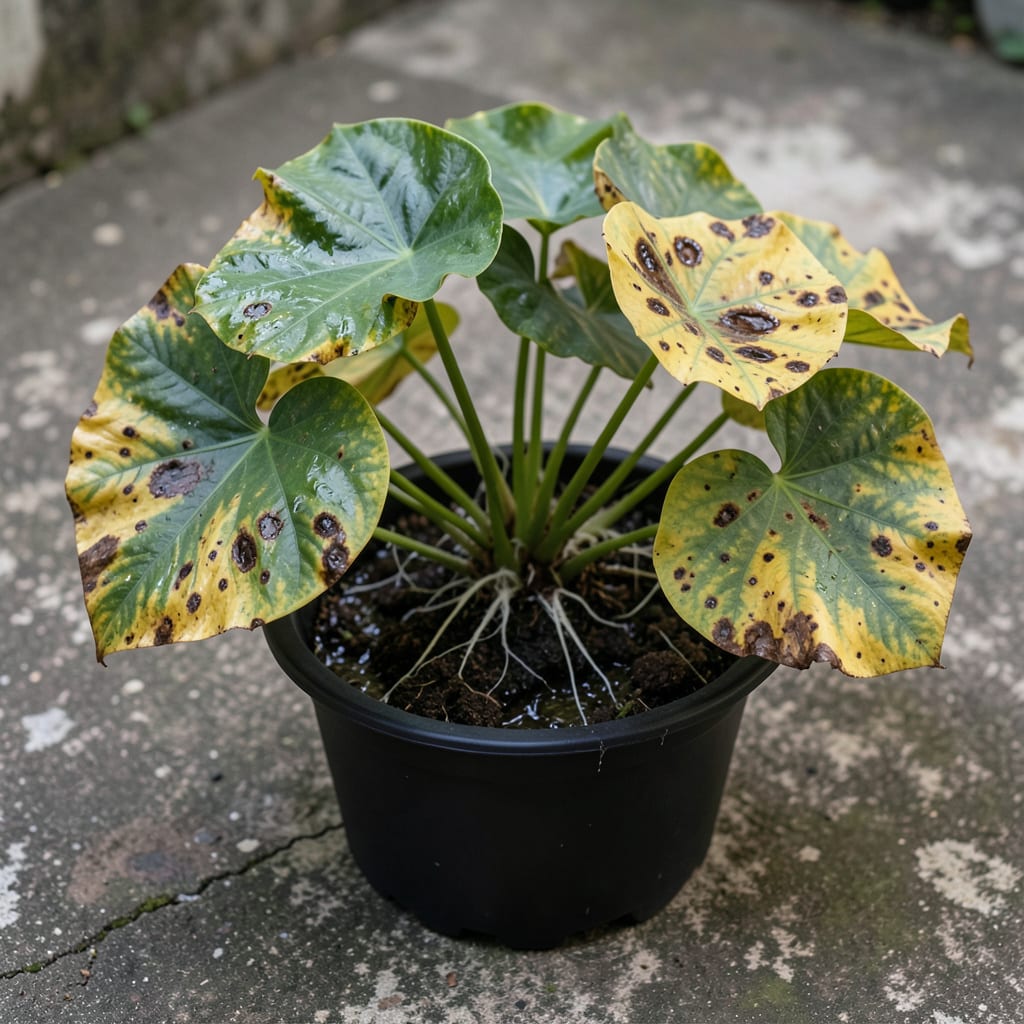
Yellow leaves and mushy stems on your alocasia aren’t just sad—they’re warning signs. I’ve saved more than a dozen from the brink by catching these symptoms early, before the rot spreads to the roots.
The problem usually starts with good intentions: too much water, not enough drainage, and a fungal party in the soil. Alocasias hate wet feet, and once fungus moves in, it turns healthy roots into brown mush within days.
Here’s the thing—you can reverse this. With a few tools, some patience, and the right steps, even the most dramatic cases can bounce back. I’ve watched wilted plants push new growth within 2 weeks of treatment.
Don’t toss that plant yet. The fix is simpler than you think, and prevention starts with understanding what went wrong in the first place.
Overwatering and fungal infections in Alocasia often go hand in hand, and understanding the root causes can help you prevent them. Here’s why it happens:
Alocasia plants thrive in well-draining soil, but overwatering creates a waterlogged environment where roots can’t access oxygen. This anaerobic condition weakens the plant, making it susceptible to fungal pathogens like Phytophthora or Pythium, which thrive in damp, poorly aerated soil.
Even if you water moderately, compacted or clay-heavy soil retains moisture for too long. Without proper drainage, excess water pools around the roots, creating the perfect breeding ground for fungi. Always use a chunky, airy potting mix with perlite or orchid bark to improve drainage.
Alocasias love humidity, but stagnant air combined with high moisture levels encourages fungal spores to settle and multiply on leaves and stems. Fungi like Botrytis (gray mold) or Fusarium spread rapidly in these conditions. Ensure good air circulation with a fan or by spacing plants apart.
Fungal spores can hitch a ride on unsterilized pruning tools or even tap water. If you reuse pots or tools without cleaning them (with a 10% bleach solution), you risk introducing pathogens directly to your plant. Similarly, water sitting in saucers can harbor spores that infect the roots.
Overwatered Alocasia plants are prone to fungal infections, but with the right steps, you can nurse yours back to health. Below are targeted fixes for the most common issues, along with prevention tips to keep your plant thriving.
Fix: Start by removing the plant from its pot and gently washing the roots under lukewarm water to remove excess soil. Trim away any black, mushy roots with sterilized scissors. Repot in fresh, well-draining soil and a clean pot with drainage holes. Hold off on watering for 5–7 days to let the roots recover.
Prevention: Water only when the top 1–2 inches of soil are dry. Use a pot with drainage holes, and consider a moisture meter to avoid guesswork. 💡 Pro tip: Terracotta pots help wick away excess moisture.
Fix: Isolate the plant to prevent spreading. Remove infected leaves with sterilized pruners and discard them (do not compost). Apply a copper-based fungicide or a homemade solution of 1 tsp baking soda + 1 quart of water + a few drops of dish soap. Spray evenly on leaves, focusing on undersides.
Prevention: Improve air circulation around the plant and avoid wetting the leaves when watering. Keep humidity in check (40–60% is ideal) and ensure good airflow in the room.
Fix: Scrape off the top layer of moldy soil and replace it with fresh, sterile potting mix. If the infection is severe, repot the entire plant. For mild cases, sprinkle cinnamon (a natural antifungal) on the soil surface.
Prevention: Use a well-draining soil mix (add perlite or orchid bark for aeration). Avoid overcrowding plants, and let the soil dry slightly between waterings.
With consistent care, your Alocasia can bounce back from overwatering and fungal woes. Stay vigilant, and your plant will reward you with its stunning foliage! ✨
Look for yellowing leaves, black or mushy stems, and white or gray mold on the soil. Dark spots on leaves or a foul smell from the pot are also clear signs of trouble.
Yes, if some healthy roots remain. Trim the rotten parts, repot in fresh soil, and avoid watering for 5-7 days. New growth should appear within 2 weeks if the plant recovers.
Use a chunky, well-draining mix with perlite or orchid bark. This ensures excess water flows away from the roots, reducing the risk of fungal growth.
