
Beautiful Plants For Your Interior
Beautiful Plants For Your Interior
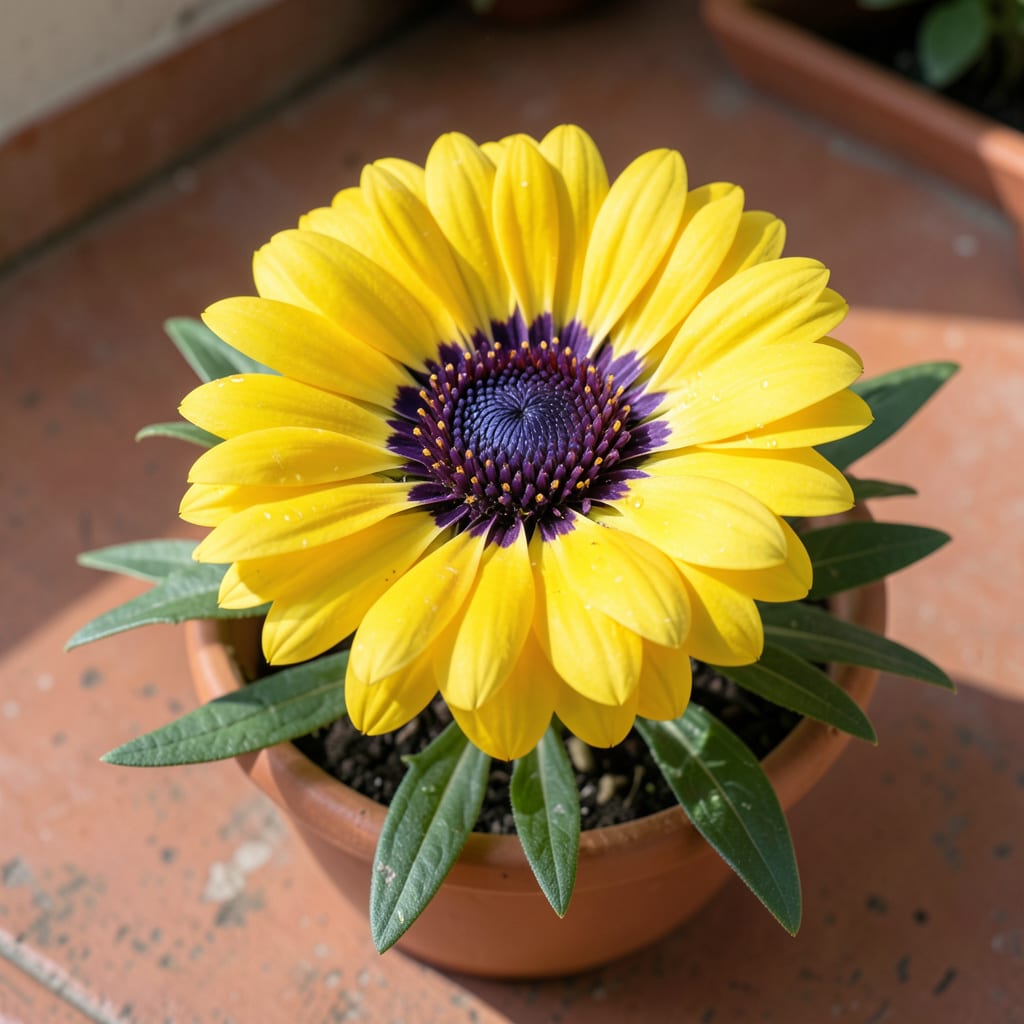
These cheerful flowers stopped me in my tracks at the garden center last spring. Sun-loving osteospermum with yellow petals and purple centers bring nonstop color from late spring until frost, with almost zero fuss from me.
They thrive in full sun with well-draining soil and minimal water once established. I plant them along walkways where their daisy-like blooms create a vibrant carpet of color that keeps going when other flowers quit.
📚 In This Guide
This method ensures vibrant blooms that thrive in sunny spots with minimal effort.
Select a spot with full sun exposure—at least 6-8 hours of direct sunlight daily. Osteospermum performs best in well-draining soil, so avoid low-lying areas where water pools. I always amend heavy clay with compost to improve drainage before planting.
Test your soil by digging a 12-inch hole and filling it with water. If it drains completely within 1-2 hours, you’re good to go. If not, work in 2-3 inches of organic matter like compost or aged bark fines to lighten the soil structure.
Dig planting holes that are the same depth as the root ball but twice as wide. This gives the roots room to spread without competition. Space plants 12-18 inches apart to allow for air circulation, which prevents fungal issues common in crowded plantings.
Gently remove the plant from its container and loosen any circling roots with your fingers. Place it in the hole so the top of the root ball sits level with the surrounding soil. Backfill with native soil, pressing lightly to eliminate air pockets, then water deeply to settle the roots.
Water newly planted osteospermum thoroughly, giving each plant about 1 gallon of water to saturate the root zone. After that, water when the top inch of soil feels dry to the touch. These plants are drought-tolerant once established, so it’s better to underwater slightly than to keep soil soggy.
I check moisture by sticking my finger into the soil near the base of the plant. If it feels dry at the first knuckle, it’s time to water. Always water at the base rather than overhead to keep foliage dry and prevent disease. A 2-3 inch layer of mulch helps retain moisture and suppress weeds.
Feed osteospermum with a balanced, water-soluble fertilizer every 4-6 weeks during the growing season. I use a 10-10-10 or 20-20-20 formula at half the recommended strength to avoid burning the plants. This encourages steady growth and abundant flowering.
Deadhead spent blooms regularly by pinching off faded flowers at the base of their stems. This prevents seed formation and redirects the plant’s energy into producing more blooms. You’ll notice new flower buds forming within 7-10 days after deadheading if conditions are right.
In late summer or early fall, trim back leggy stems by one-third to encourage bushier growth. Use clean, sharp pruners to make cuts just above a leaf node or branching point. This helps maintain a compact shape and promotes better air circulation.
In colder climates, osteospermum may die back to the ground in winter. Cut back dead foliage in early spring before new growth appears. In milder regions, a light trim in early spring is sufficient to remove any winter damage and prepare the plant for the new growing season.
These simple adjustments make a noticeable difference in your garden’s success.
Sunlight Essentials: The 6-8 hours of daily sun isn’t just a suggestion—it’s critical for those vibrant yellow blooms with purple centers. I’ve learned that morning sun is gentler, but osteospermum thrives even in intense afternoon light. If your spot gets slightly less, watch for leggy growth or fewer flowers.
Drainage Test: That 12-inch hole test in Step 1 is your best insurance against root rot. If water sits longer than 1-2 hours, definitely amend with compost. In clay-heavy soil, I once skipped this and lost three plants to soggy roots—lesson learned the hard way.
Watering Wisdom: The 1 gallon per plant at planting might seem like a lot, but it’s what establishes strong roots. After that, trust the finger test—when the top inch feels dry, water deeply at the base. I’ve found that a 2-3 inch mulch layer cuts my watering frequency in half during hot spells.
Pruning Timing: When trimming back by one-third in Step 5, do it in late summer, not spring. Early pruning can remove potential flower buds. Use sharp pruners and angle cuts away from the center to encourage outward growth and better air flow.
Keep plants in full sun and well-drained soil. Water moderately, allowing soil to dry between waterings. Deadhead spent blooms to encourage continuous flowering. Fertilize lightly in spring for best results.
These vibrant daisies typically bloom from late spring to early fall, thriving in warm weather. In mild climates, they may produce flowers year-round with proper care and occasional pruning.
Yes! These flowers do well in pots or hanging baskets. Use a well-draining potting mix and ensure containers have drainage holes. Place them in a sunny spot and water when the top inch of soil feels dry.
Yellow leaves often indicate overwatering or poor drainage. Check soil moisture and adjust watering habits. If the issue persists, inspect for pests or nutrient deficiencies and treat accordingly.
Pair with drought-tolerant plants like lavender, salvia, or ornamental grasses. These companions share similar sun and soil needs, creating a low-maintenance, colorful garden display.
