
Beautiful Plants For Your Interior
Beautiful Plants For Your Interior
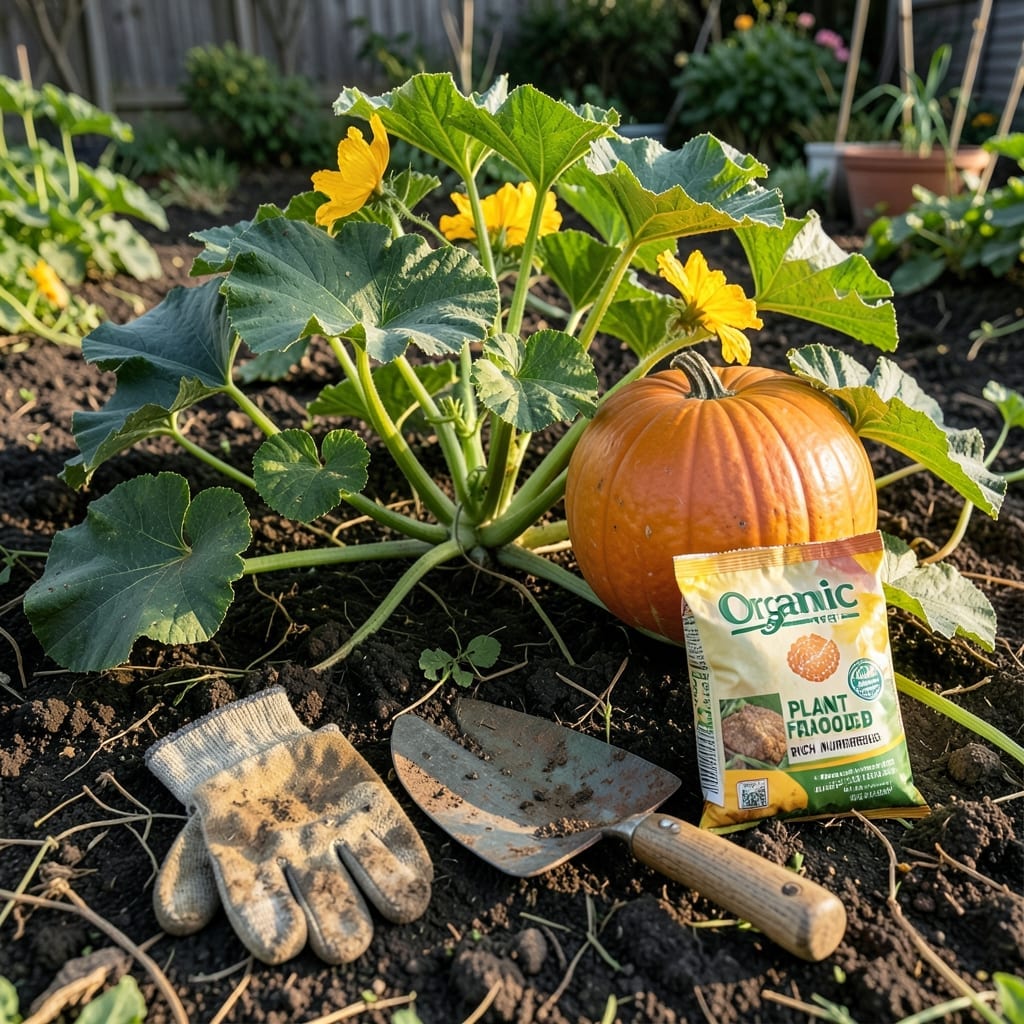
Growing plump, vibrant 🎃 pumpkins naturally is every gardener’s dream. The secret lies in choosing the right organic fertilizer to nourish your plants.
Unlike synthetic options, organic fertilizers improve soil health while delivering slow-release nutrients. This means better growth and bigger yields without harsh chemicals.
I’ll show you exactly which organic fertilizers work best for pumpkins and how to apply them for maximum results. Let’s get started.
Choosing the right organic fertilizer can make or break your pumpkin harvest. I’ve tested countless options and found that nutrient-rich choices like compost and manure work wonders for vibrant growth and bigger yields. 🌱
Pumpkins are heavy feeders, so they thrive on fertilizers packed with nitrogen, phosphorus, and potassium. The best part? Organic options also improve soil structure and microbial activity over time.
| Fertilizer Type | Key Nutrients | Best For Growth Stage | Application Method |
|---|---|---|---|
| Compost | Balanced NPK | All stages | Mix into soil |
| Aged Manure | High nitrogen | Early growth | Side-dressing |
| Fish Emulsion | Nitrogen, trace minerals | Fruiting | Foliar spray |
| Bone Meal | High phosphorus | Flowering | Soil incorporation |
Compost is my go-to for overall soil health. It’s packed with micronutrients and improves water retention, which is crucial for pumpkins during dry spells. 🌿
Aged manure is another powerhouse, especially for early growth. I always use well-rotted cow or horse manure to avoid burning plants. It’s rich in nitrogen, which helps develop strong vines.
When pumpkins start flowering, I switch to bone meal. Its high phosphorus content promotes root development and fruit set. Just work it into the soil around the base of plants.
For a quick nutrient boost, fish emulsion is my secret weapon. It’s perfect for foliar feeding during the fruiting stage. I dilute it and spray it directly on the leaves for fast absorption.
If you’re growing pumpkins in containers, a mix of compost and worm castings works best. These provide a steady nutrient supply and improve soil aeration, which is vital for container-grown plants.
Remember, less is more with organic fertilizers. Overdoing it can lead to nutrient imbalances or plant stress. I recommend starting with small amounts and monitoring your plants’ response.
By choosing the right organic fertilizers and applying them at the correct stages, you’ll give your pumpkins the best chance to thrive and produce bountiful harvests. 🪴
Timing your organic fertilizer application is crucial for pumpkin success. I start by working compost into the soil before planting to give my pumpkins a nutrient-rich foundation. 🌱
Once the seedlings emerge, I apply a balanced organic fertilizer to support early growth. Pumpkins are heavy feeders, so they need consistent nutrients to develop strong vines and healthy leaves.
For side-dressing, I create a shallow trench around the plant base and add aged manure or compost. This ensures the roots can easily access the nutrients as they grow outward.
When flowers appear, I switch to bone meal for a phosphorus boost. This encourages root development and fruit set. I work it into the soil gently to avoid disturbing the roots. 🌿
During the fruiting stage, I use fish emulsion as a foliar spray. This provides a quick nutrient uptake through the leaves, which is especially helpful for rapidly growing pumpkins.
Always water thoroughly after applying any fertilizer to help nutrients reach the roots. I also recommend early morning applications to reduce evaporation and give plants time to absorb nutrients.
By following this timing and method, you’ll ensure your pumpkins get the right nutrients at the right stages for optimal growth. 🪴