
Beautiful Plants For Your Interior
Beautiful Plants For Your Interior
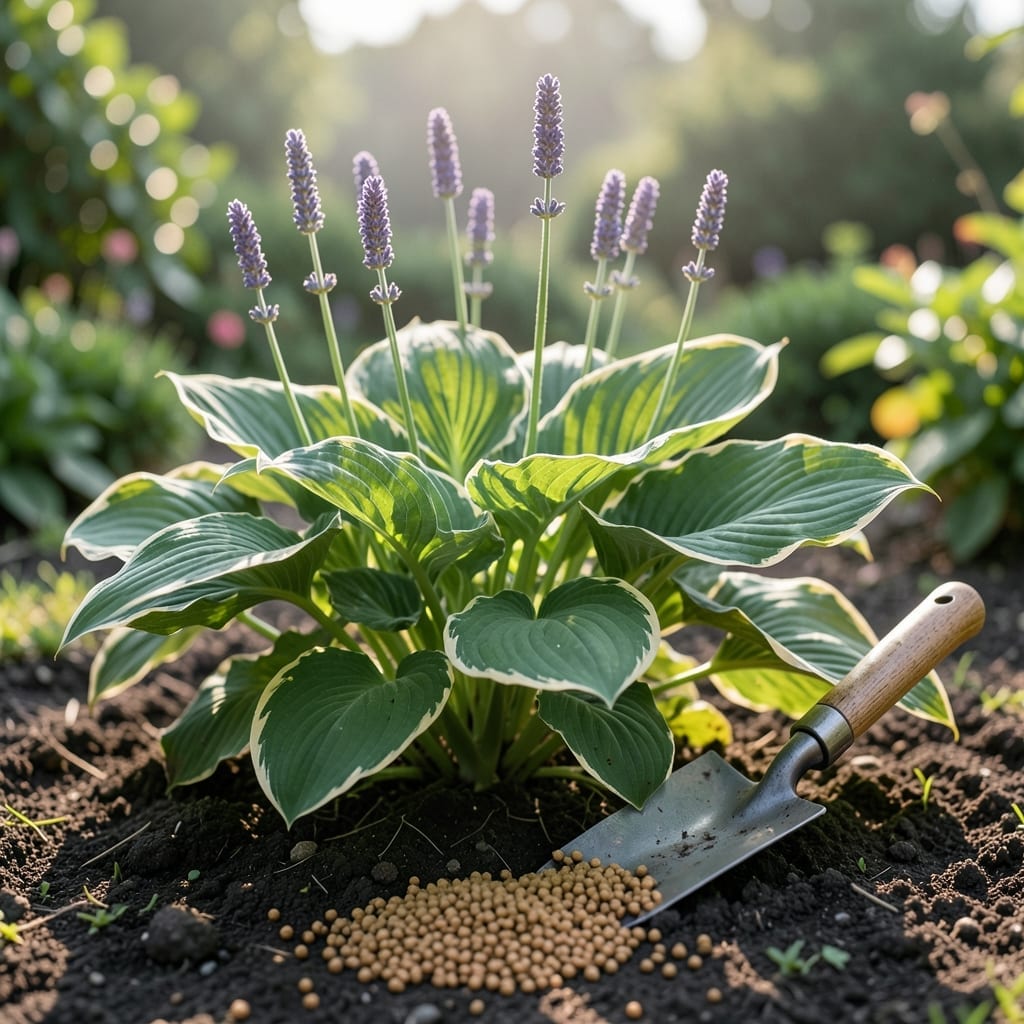
Your 🌿 Hostas could be so much more vibrant with the right natural boost. I’ve seen firsthand how organic fertilizers transform these shade-loving plants from ordinary to extraordinary.
With the proper nutrients, you’ll notice larger leaves, richer colors, and stronger resistance to pests. It’s not just about feeding the plant – it’s about building healthy soil that supports long-term growth.
Discover how to choose and apply the best organic options for your Hostas. The difference in your garden will speak for itself.
I’ve tested countless organic options for my hostas, and the right choice makes all the difference. These shade-loving plants thrive on natural nutrients that build soil health while delivering immediate benefits.
Organic fertilizers release nutrients slowly, preventing burn while feeding beneficial soil microbes. This creates a sustainable environment for your hostas to grow larger leaves with more vibrant colors.
| Fertilizer Type | Key Benefit | Best For |
|---|---|---|
| Compost | Improves soil structure | Overall health |
| Worm Castings | Gentle nutrient release | Root development |
| Fish Emulsion | Quick nitrogen boost | Leaf growth |
| Bone Meal | Phosphorus rich | Flower production |
Compost is my go-to for overall soil improvement. It adds organic matter that helps retain moisture while providing a balanced mix of nutrients. Your hostas will show deeper color and better resistance to stress.
Worm castings are a powerhouse for root development. They contain beneficial microbes that help break down nutrients, making them readily available to your plants. I notice my hostas establish faster when I use them.
Fish emulsion gives that quick green-up when your hostas need a boost. It’s particularly effective during the growing season when you want to encourage lush foliage. Just be careful not to overdo it.
Bone meal is perfect if you want to encourage more blooms. While hostas are grown primarily for their foliage, the flowers can add a nice touch to your shade garden. The phosphorus helps strengthen stems too.
I always recommend starting with a soil test before applying any fertilizer. This tells you exactly what your hostas need, preventing waste and potential harm from over-fertilization.
Remember, organic fertilizers work best when applied consistently throughout the growing season. A light feeding every 4-6 weeks keeps your hostas happy without the risk of burning.
For the best results, combine these fertilizers with good cultural practices. Proper watering, mulching, and shade protection will help your hostas make the most of the nutrients you provide. 🌿
Timing is everything when feeding your hostas with organic fertilizer. I’ve found that early spring is ideal, just as new growth appears. This gives your plants the nutrients they need during their most active growth period.
A second application in mid-summer helps sustain growth and maintain vibrant foliage. Always avoid fertilizing in late fall or winter when your hostas are dormant.
Application Steps:
For dry fertilizers like compost or bone meal, I recommend top-dressing around the plant’s base. Gently work it into the top inch of soil, being careful not to disturb the roots.
Liquid fertilizers like fish emulsion work well for quick absorption. Dilute according to package instructions and apply to the soil, not the leaves, to prevent burning.
Always follow the recommended dosage rates. More isn’t better with organic fertilizers. I’ve seen hostas suffer from over-fertilization just as much as from neglect.