
Beautiful Plants For Your Interior
Beautiful Plants For Your Interior
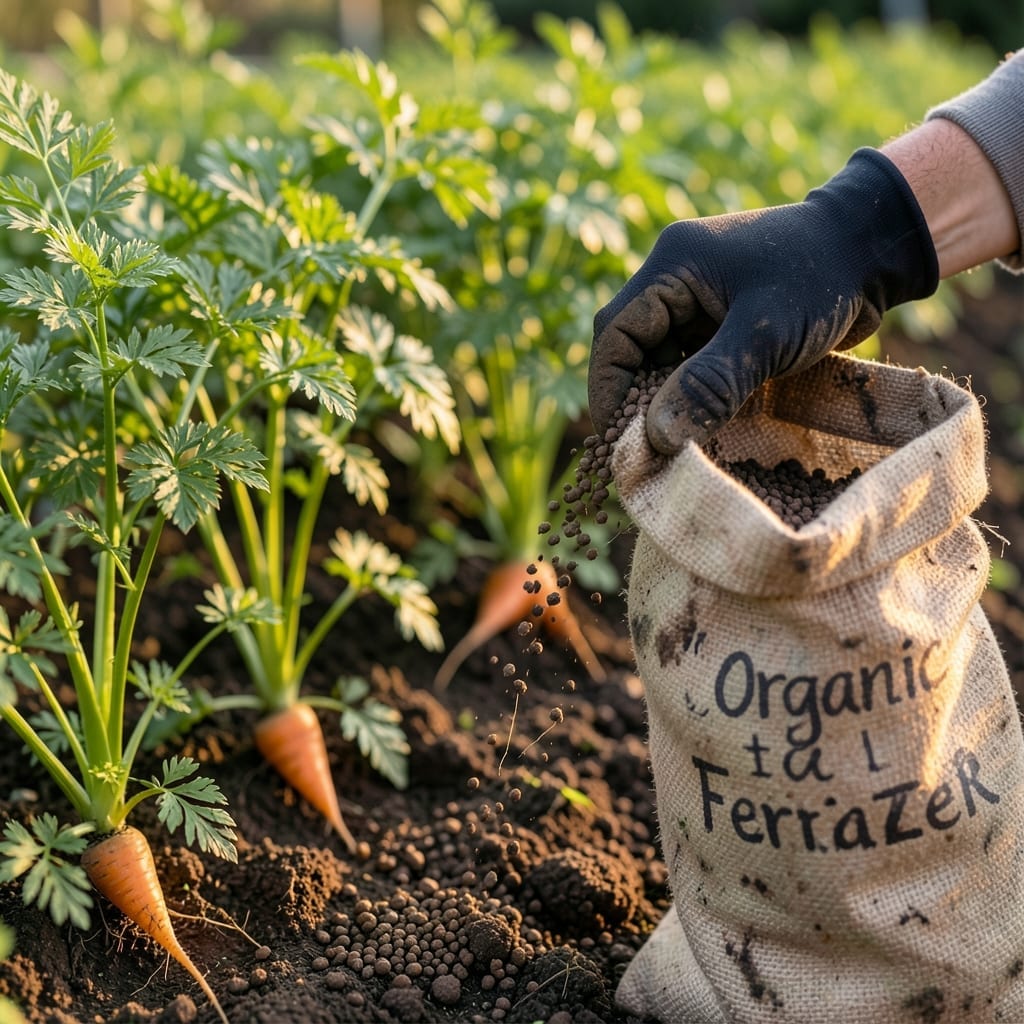
Growing sweet, crisp 🥕 Carrot without synthetic chemicals is easier than you think. Organic fertilizers can enhance flavor, texture, and yield while keeping your soil healthy for future crops.
I’ve seen firsthand how the right approach transforms a garden. With simple, natural methods, you can boost growth without harsh additives.
Discover how to nourish your Carrot plants effectively. These tried-and-true techniques will help you achieve the best results season after season.
Choosing the right organic fertilizer can make all the difference in your carrot harvest. I’ve tested various options and found that natural amendments enhance both root development and soil health without chemicals. 🌱
For optimal growth, focus on low-nitrogen options that promote strong roots rather than leafy tops. Carrots thrive with phosphorus-rich fertilizers, which encourage the bulb formation we all love.
| Fertilizer Type | NPK Ratio | Application Method | Timing |
|---|---|---|---|
| Compost | 2-1-1 | Mix into soil | Pre-planting |
| Worm Castings | 1-0-0 | Top-dress | Mid-season |
| Bone Meal | 3-15-0 | Work into soil | At planting |
| Fish Emulsion | 5-1-1 | Foliar spray | Every 4 weeks |
Compost is my go-to for overall soil improvement. It adds essential nutrients and improves soil structure, helping carrots grow straight and long. Work it into the top 6 inches of soil before sowing seeds. 🌿
Worm castings are a powerhouse for slow-release nutrients. They won’t burn your plants and provide beneficial microbes that boost root health. Sprinkle a 1-inch layer around plants mid-season.
Bone meal is ideal for phosphorus-loving carrots. Its high phosphorus content supports root development. Mix 1 tablespoon per plant into the soil at planting time for best results.
Fish emulsion is a great liquid fertilizer for a quick nutrient boost. Dilute it with water and apply as a foliar spray every 4 weeks. This helps with rapid growth during the season.
Remember, less is more with organic fertilizers. Over-application can lead to forked or cracked roots, which are less desirable. Stick to the recommended amounts and timing for the best harvest. ✂️
I also recommend testing your soil before applying any fertilizer. A simple soil test kit can reveal deficiencies, ensuring you add only what your carrots need for optimal growth.
Finally, consistency is key. Regular, light applications of organic fertilizers will keep your soil fertile and your carrot plants thriving throughout the growing season. 🪴
Timing your organic fertilizer applications is crucial for carrot success. I always start with a pre-planting boost to give my seeds the best foundation. This ensures the nutrients are available as soon as germination begins. 🌱
For best results, apply compost or aged manure 2-3 weeks before planting. This gives the material time to break down and integrate into the soil, preventing any nutrient shock to young seedlings.
Side-dressing is my preferred method for mid-season feeding. I create a small trench beside the row, add my organic fertilizer, and cover it with soil. This keeps nutrients close to the roots where they’re needed most.
Remember that carrots are sensitive to high nitrogen. Too much can cause excessive leaf growth at the expense of the roots. Stick to phosphorus-heavy options like bone meal for the best root development. 🌿
I’ve found that early morning applications work best for liquid fertilizers. This gives the plants all day to absorb the nutrients before the heat of the day. Always water thoroughly after applying dry fertilizers to help them start working immediately.
Never fertilize within 3-4 weeks of harvest. This can lead to cracked or split roots as the carrots grow too quickly. Instead, focus on consistent moisture during this final growth stage for the best texture and flavor. ✂️