
Beautiful Plants For Your Interior
Beautiful Plants For Your Interior
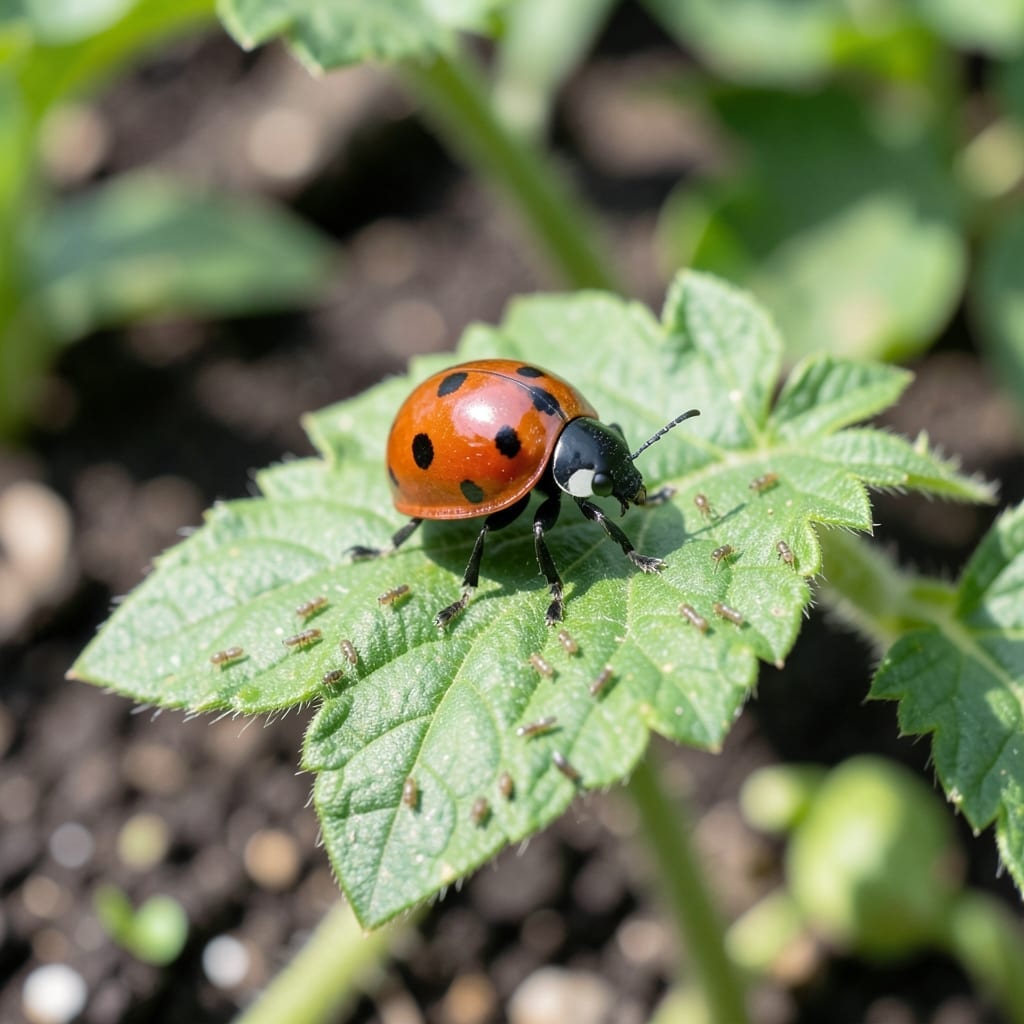
I spotted my first aphid cluster on a Sunday morning. Tiny green dots covering the undersides of my kale leaves, and I knew I had to act fast before they spread to the tomatoes.
Here’s the thing—organic control works better than chemicals, and it starts with a simple soapy water spray. One teaspoon of mild soap in a quart of water, and you’ll see a difference within 24 hours.
For stubborn infestations, I add neem oil to the mix. It disrupts their life cycle while keeping beneficial insects safe. The plants recover quickly, and new growth comes in aphid-free.
Prevention is the real secret—companion plant with marigolds or nasturtiums, and check leaves weekly. It’s that simple to keep them from coming back.
Aphids thrive due to a mix of environmental and biological factors. Understanding these triggers helps you prevent infestations before they start.
Excess nitrogen in soil promotes soft, sap-rich plant growth—aphids’ favorite food. Synthetic fertilizers often spike nitrogen levels, creating a buffet for these pests. Opt for balanced organic fertilizers to avoid this imbalance.
Aphids reproduce rapidly in dry, warm weather (70–80°F). Drought-stressed plants also emit distress signals that attract aphids. Consistent watering and mulching can disrupt their ideal breeding conditions.
Beneficial insects like ladybugs, lacewings, and parasitic wasps keep aphid populations in check. Pesticides (even organic ones) can harm these allies. Plant pollinator-friendly flowers (e.g., marigolds, alyssum) to invite predators.
Large blocks of a single plant species (e.g., rows of roses) create an easy target for aphids. Interplant with repellent herbs like basil, mint, or garlic to confuse pests and break up their feeding patterns.
Tackling an aphid infestation doesn’t have to mean reaching for harsh chemicals. These simple, organic solutions can help you reclaim your garden—naturally.
Mix 1 tablespoon of mild liquid soap (like Castile) with 1 quart of water and spray directly on aphids. The soap breaks down their protective coating, causing them to dehydrate. Best used in the early morning or late evening to avoid harming beneficial insects.
Dilute 1 teaspoon of neem oil in 1 quart of water with a few drops of dish soap as an emulsifier. Spray evenly on affected plants, focusing on the undersides of leaves. Neem disrupts aphid feeding and reproduction. Reapply every 5–7 days for severe infestations.
Release ladybugs, lacewings, or parasitic wasps into your garden. These natural predators feed on aphids and can provide long-term control. Purchase from a trusted supplier and release them at dusk for best results.
With consistency, these methods will help you control and prevent aphids without harming your garden’s ecosystem. 🌱
Use the spray every 2-3 days until the infestation clears, then switch to weekly as prevention. Always apply in the early morning or late evening to avoid harming beneficial insects.
Neem oil is generally safe, but test on a small area first. Avoid using it on young seedlings or plants under stress. Dilute properly with 1 teaspoon per quart of water.
Yes, but choose a mild, fragrance-free dish soap. Avoid products with degreasers or antibacterial agents. Use 1 tablespoon per quart of water for best results.
They may be attracted by over-fertilized plants or lack of natural predators. Encourage biodiversity with companion plants like marigolds and maintain balanced soil health.