
Beautiful Plants For Your Interior
Beautiful Plants For Your Interior
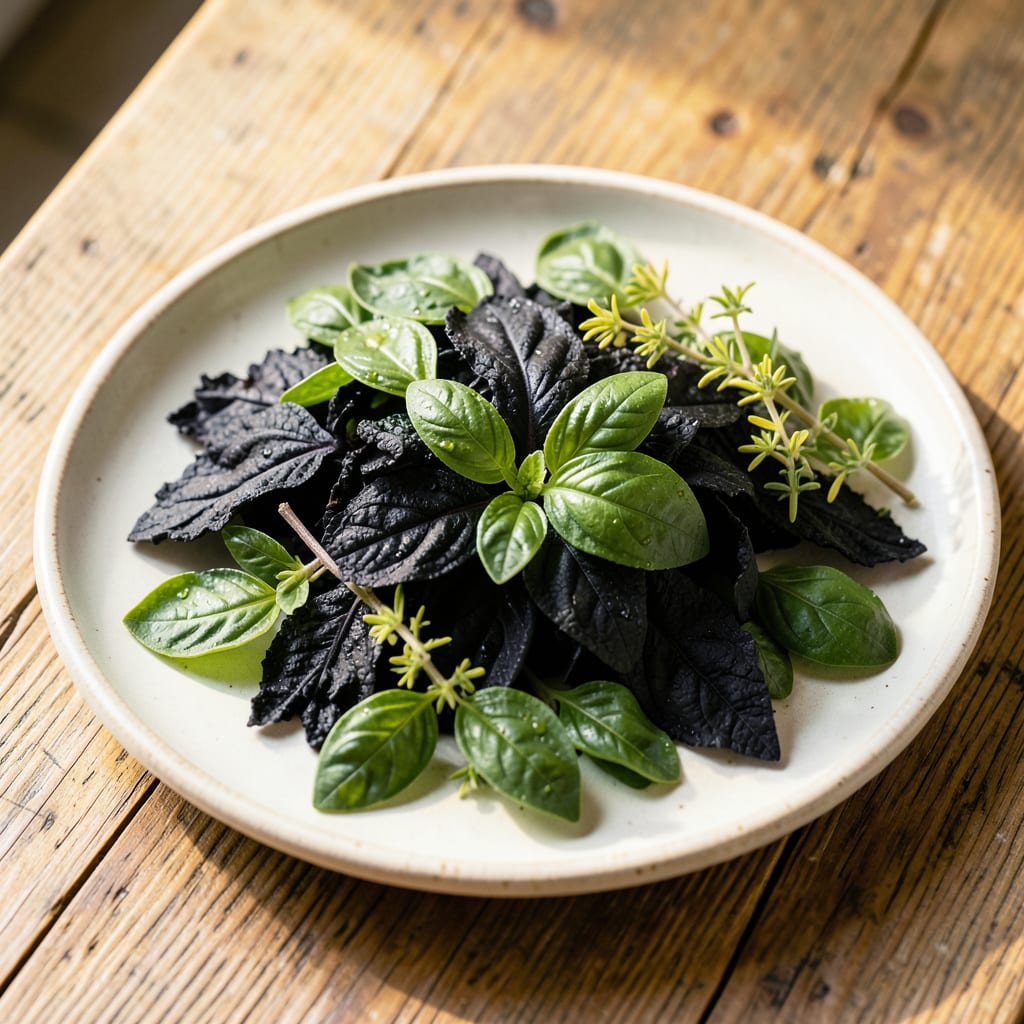
Black oregano leaves are a red flag I’ve learned not to ignore. This usually signals either a fungal infection taking hold or roots drowning from too much water. Both problems spread fast if you don’t act.
I’ve saved countless plants by catching this early. The key is checking the soil first—if it’s soggy, you’re overwatering. If you spot dark spots with yellow halos, you’re likely dealing with fungus.
Simple fixes work best: adjust your watering schedule, improve drainage, or remove affected leaves immediately. These steps often stop the problem before it kills the plant.
Your oregano can bounce back quickly with the right care. The plant tells you exactly what it needs if you know how to look.
Blackened oregano leaves are often a distress signal from your plant. Below are the most common causes, explained with actionable insights to help you diagnose and fix the issue.
Pathogens like Alternaria or Phytophthora thrive in damp, poorly ventilated conditions. These fungi attack the leaves, causing dark, water-soaked spots that eventually turn black. Overhead watering or crowded plantings worsen the spread. Solution: Remove infected foliage immediately, improve airflow, and apply a copper-based fungicide. Avoid watering the leaves directly.
Oregano prefers dry to moderately moist soil. Excess water suffocates the roots, leading to root rot, which manifests as blackened, wilted leaves. Poor drainage or heavy clay soil exacerbates the problem. Solution: Let the top 1–2 inches of soil dry out between waterings. Use well-draining soil and pots with drainage holes.
Oregano is a Mediterranean herb that struggles in temperatures below 40°F (4°C). Sudden cold snaps or frost can cause leaf tissue to die and turn black. Solution: Move potted oregano indoors or to a sheltered area before cold weather hits. Mulch garden plants to insulate the roots.
Over-fertilization, particularly with high-nitrogen products, can burn the leaves, turning them black at the edges. Conversely, a potassium or phosphorus deficiency may cause dark, necrotic spots. Solution: Test your soil and adjust fertilization. Use a balanced, slow-release fertilizer and avoid overfeeding.
Sap-sucking pests like aphids or spider mites can weaken oregano, making it susceptible to secondary infections that blacken leaves. Their feeding also causes stippling or discoloration. Solution: Inspect the undersides of leaves and treat with insecticidal soap or neem oil if pests are present.
Address the issue promptly with these targeted solutions based on the underlying cause:
Yes! Too much water suffocates the roots, leading to rot that shows up as black, wilted leaves. Oregano thrives in dry conditions, so always let the top 1-2 inches of soil dry out between waterings.
Look for dark spots with yellow halos or fuzzy growth. Fungi love damp conditions, so improve airflow and avoid overhead watering. A copper-based fungicide can help stop the spread.
Oregano can’t handle temperatures below 40°F (4°C). Move potted plants indoors or cover them with frost cloth before cold snaps to prevent damage.
No, it’s best to remove affected leaves immediately. Blackened foliage often signals disease or rot, which can spread. Dispose of them in the trash, not compost.
