
Beautiful Plants For Your Interior
Beautiful Plants For Your Interior
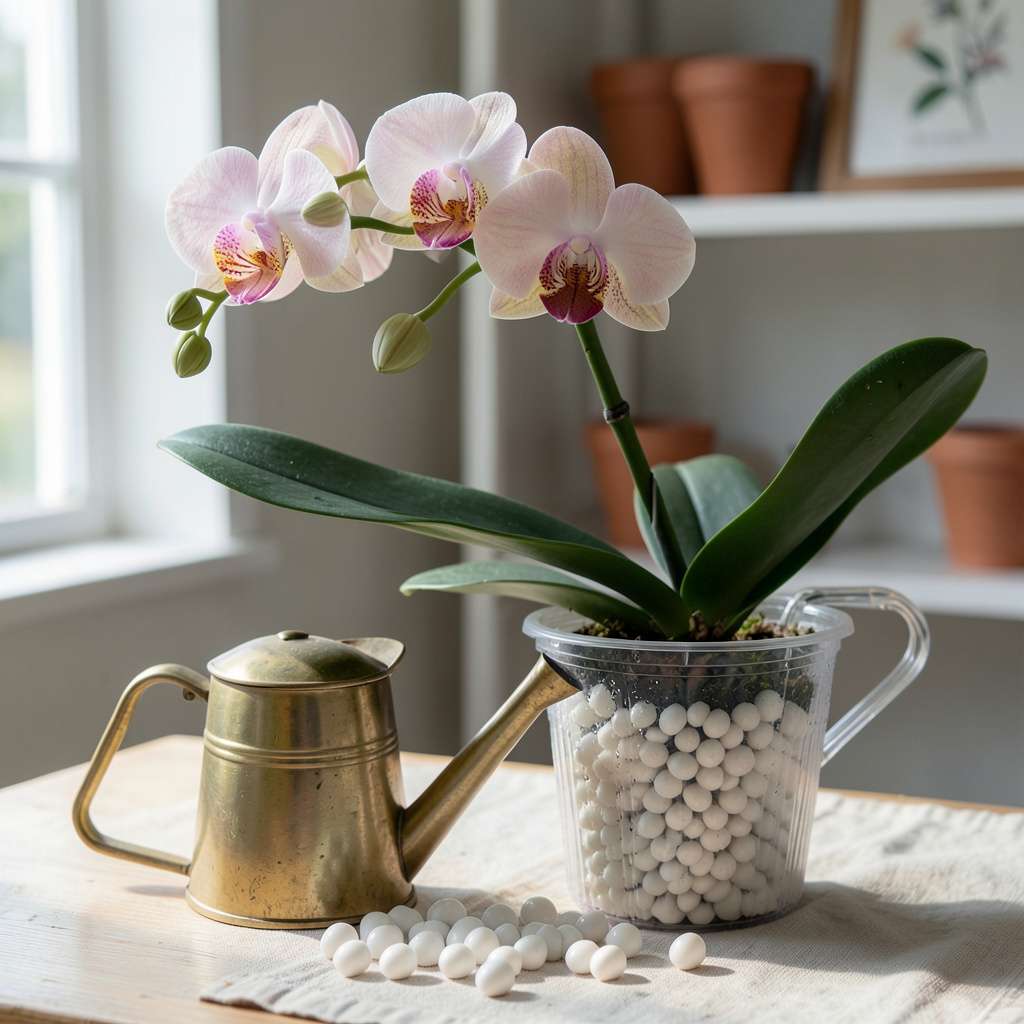
Water orchids in hydroton every 5-7 days, adjusting based on pot size and humidity. Let the top inch of the medium dry out before rewatering to prevent root rot.
Understanding watering frequency is crucial for healthy orchids. 🌱 Hydroton, being a lightweight clay aggregate, allows excellent drainage and air circulation, which helps roots breathe. I always check the moisture level before watering, as factors like temperature and humidity can influence how quickly the medium dries out, ensuring I provide the right care for my plants.
Regularly monitoring your orchids will help you identify any signs of distress, like yellowing leaves or wilting. This proactive approach can prevent common issues, keeping your orchids thriving for years to come! 🌼
💡 In This Article
Understanding how hydroton affects watering frequency is essential for thriving orchids. Hydroton, a lightweight clay aggregate, offers excellent drainage and aeration. This means that moisture escapes quickly compared to traditional mediums like bark or sphagnum moss, necessitating more frequent checks for hydration. 🌿
The structure of hydroton promotes root oxygenation, which is vital for healthy growth. When the roots are exposed to air, they can absorb nutrients more effectively. However, if the medium remains too dry for too long, roots can become dehydrated, leading to stress and potential damage. This dynamic balance is key to successful orchid care.
🔄
Moreover, hydroton’s moisture retention capabilities vary based on environmental factors. For example, in a humid climate, hydroton may retain moisture longer, allowing you to extend your watering schedule to every 7 days. Conversely, in drier conditions, you may need to water as often as every 5 days.
Keeping an eye on your specific environment will help tailor your care effectively. 🌞
Consider using a moisture meter to gauge the hydration level of the medium accurately. These devices can provide insights into when to water without relying solely on visual cues or finger tests. This method ensures that you’re not over or under-watering your orchids, which can be detrimental to their health. 📏
Lastly, remember that each orchid species may have unique needs. Some may thrive in slightly more moisture while others prefer drier conditions. It’s essential to observe your plants closely and adjust accordingly based on their specific responses and the characteristics of the hydroton medium. 🌸
