
Beautiful Plants For Your Interior
Beautiful Plants For Your Interior
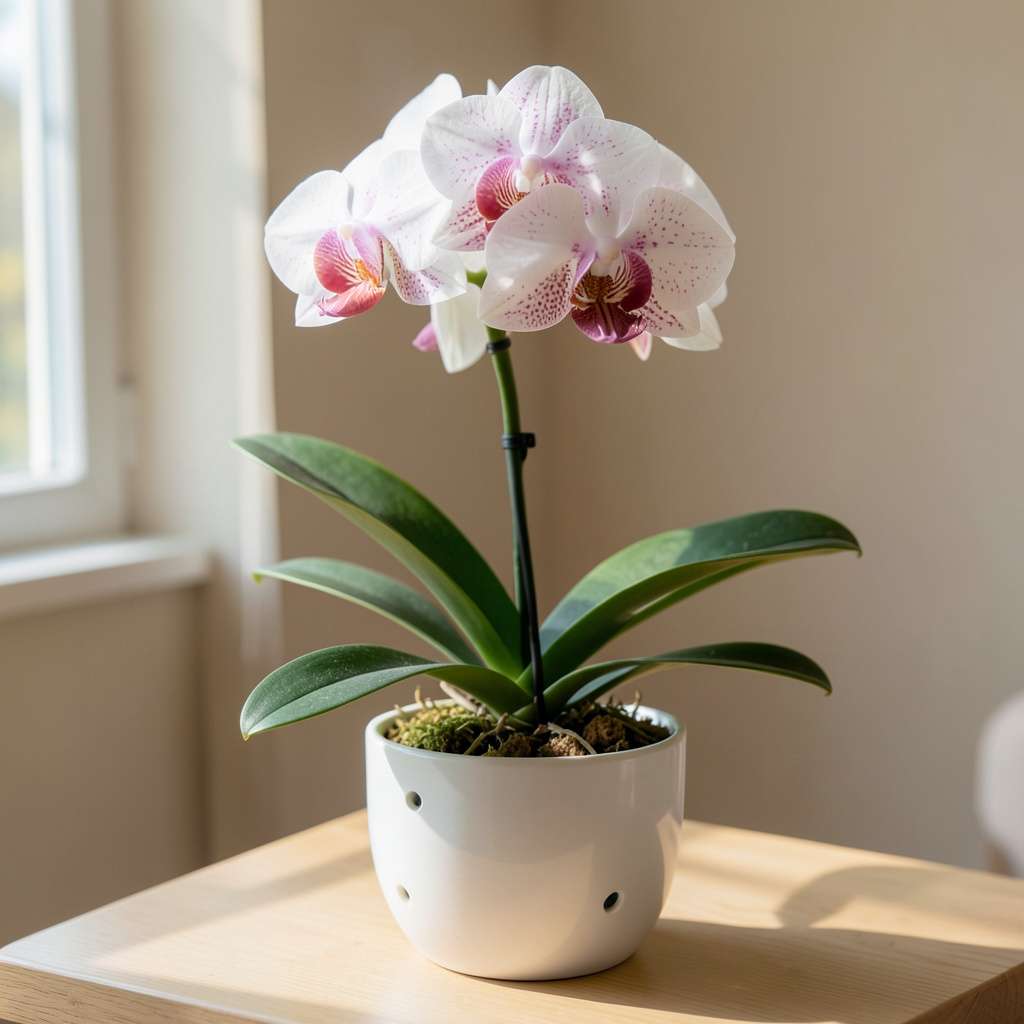
Orchids thrive in daytime temperatures of 65-75°F and nighttime temperatures around 55-65°F. Maintaining this range encourages healthy root development, proper blooming cycles, and overall plant vitality.
Understanding why temperature is crucial for orchids can really enhance their growth. 🌱 The warmth during the day stimulates root activity, while cooler nights can trigger blooming, which is essential for many orchid species. Each type of orchid may have specific temperature needs, so it’s beneficial to research the particular varieties you’re growing.
To ensure your orchids flourish, I recommend monitoring temperatures closely, especially if you’re growing indoors. Consider using grow lights to maintain warmth or adjusting your setup with seasonal changes in mind. With these practices, you can create an optimal environment for your beloved plants. 🌼
💡 In This Article
The temperature plays a critical role in the overall health and blooming of orchids. When daytime temperatures hover between 65-75°F, the warmth promotes optimal root activity and nutrient absorption. This heat stimulates metabolic processes essential for growth, allowing the plant to flourish. 🌱
As temperatures dip to around 55-65°F at night, many orchids experience a natural cue to initiate blooming. This phenomenon, known as thermoperiodism, helps synchronize flowering cycles with seasonal changes. The cooler nights signal the plant that it’s time to prepare for reproduction, enhancing flowering quality and frequency. 🌼
Different orchid species have varying temperature preferences based on their native habitats. For example, tropical orchids like Phalaenopsis prefer warmer conditions, while some cooler-climate varieties like the Dendrobium thrive with more significant temperature fluctuations. Understanding these specific needs is vital for successful cultivation. 🔍
Maintaining these temperature ranges can be challenging, especially in indoor settings. A thermometer is your best friend here; monitoring daily highs and lows ensures that you can make timely adjustments. For example, using a fan or an air conditioner can help lower temperatures during hot spells, while heating mats can provide extra warmth when needed.
🌡️
Additionally, the use of grow lights can supplement warmth during colder months. Positioning your lights at a distance ensures plants receive adequate light without overheating. Remember, achieving an ideal temperature balance is essential for maximizing both root health and bloom production. 💡
In summary, the right temperature range is crucial for orchids’ vitality and flowering success. By understanding the specific needs of your orchid varieties and using practical temperature management strategies, you can create a thriving environment for these beautiful plants. 🌿
