
Beautiful Plants For Your Interior
Beautiful Plants For Your Interior
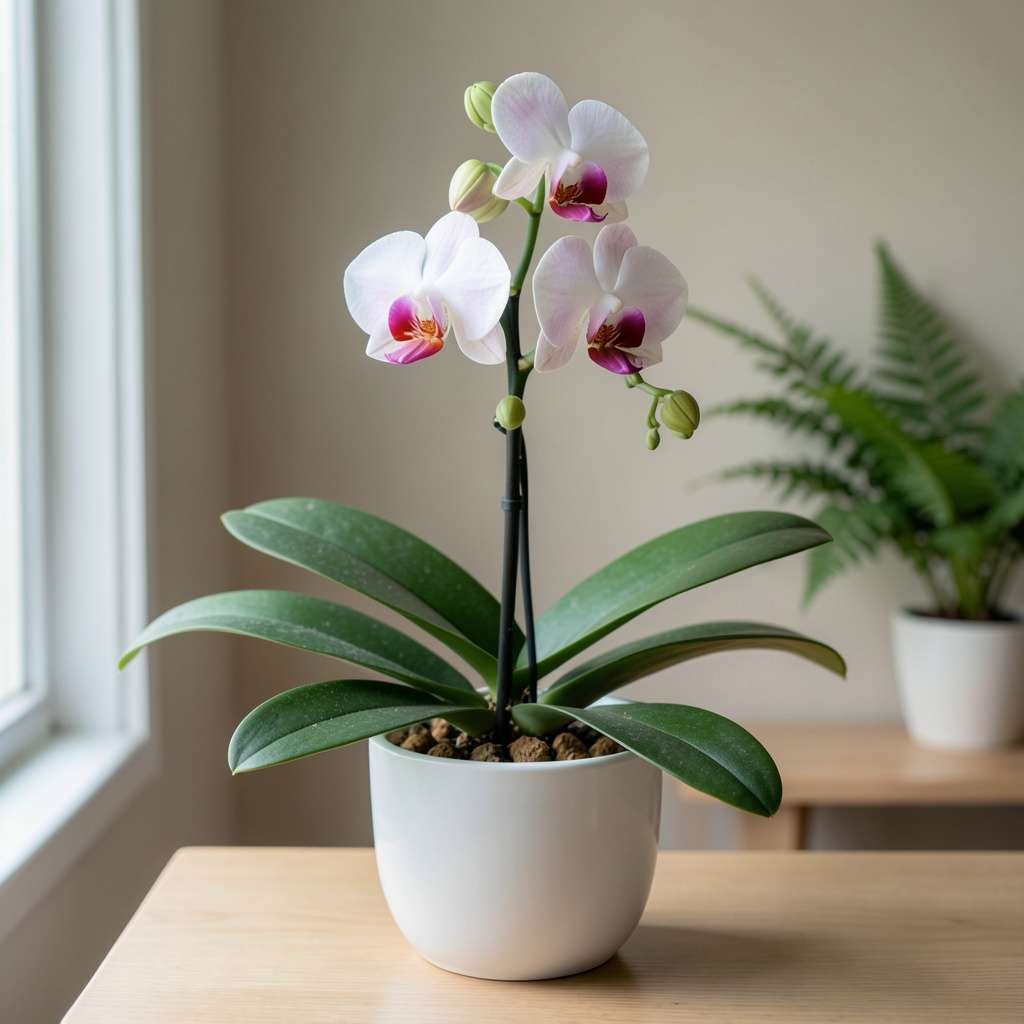
Orchids thrive in temperatures between 60-80°F (15-27°C) during the day and 50-60°F (10-15°C) at night. Sudden drops below freezing or prolonged exposure above 90°F (32°C) can damage plants.
Understanding the temperature requirements for orchids is crucial for their health and growth. 🌱 Different species have varying tolerances, with some thriving in warmer conditions while others prefer cooler environments. For instance, Phalaenopsis orchids enjoy warmer temperatures, whereas Cattleya types can handle slight temperature fluctuations. Monitoring these conditions closely helps ensure vibrant blooms and overall plant vitality.
As temperatures shift seasonally, being proactive with adjustments—like using heaters in winter or shade cloth in summer—can make a significant difference. 🏡 I recommend regularly checking the temperature with reliable thermometers to keep your orchids thriving throughout the year.
💡 In This Article
The temperature needs of orchids can vary significantly between species, impacting their growth and blooming cycles. For instance, Phalaenopsis orchids thrive at daytime temperatures of 75-85°F (24-29°C) and prefer nighttime lows around 60-65°F (15-18°C). This warm-loving species requires a consistent environment to produce its stunning flowers. 🌸
In contrast, Cattleya orchids can endure slightly cooler nights, often thriving with nighttime temperatures as low as 50°F (10°C). These variations mean that understanding each species’ preferences is vital for successful orchid cultivation. The right temperature range not only promotes healthy foliage but also stimulates blooming. 🌼
The role of temperature fluctuations between day and night is equally important. Orchids generally benefit from a drop in temperature at night, mimicking their natural habitat. This differential helps trigger the hormonal responses necessary for flowering. Without these shifts, you may notice reduced blooming or delayed growth. 🌙
Additionally, seasonal changes impact temperature management. During warmer months, temperatures can soar above the ideal range, stressing plants. Using shade cloth or positioning orchids in cooler areas can help mitigate this heat. Conversely, during winter, providing warmth with heaters ensures they stay within the desired range. 🌞
Monitoring these conditions is essential. I recommend using reliable thermometers or smart sensors to track temperature variations throughout the day and night. This way, you can make immediate adjustments if temperatures deviate from the ideal range for your specific orchid species. 📊
