
Beautiful Plants For Your Interior
Beautiful Plants For Your Interior
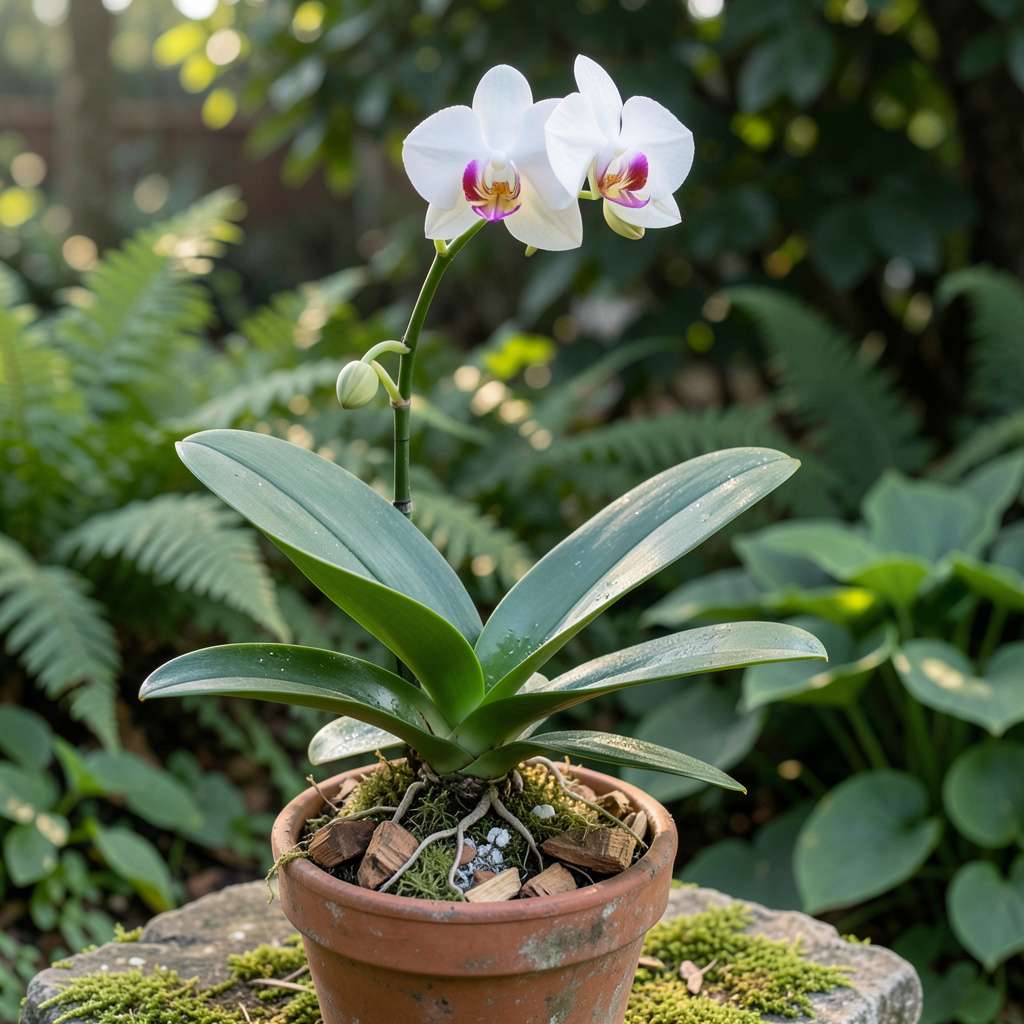
Orchid stems are central to the plant’s structure and health; identify them by their sturdy, segmented growth, provide proper support, and ensure adequate light and moisture for optimal growth.
Understanding the anatomy of orchid stems is crucial for their care. 🌱 These structures are not only responsible for supporting leaves and flowers but also play a vital role in nutrient distribution and water absorption. I find that knowing whether my orchid has a monopodial or sympodial growth pattern helps me tailor my care approach effectively.
Additionally, maintaining proper conditions like humidity and light is essential for the overall health of the stems. 🌞 Regularly checking for signs of damage and using stakes can promote healthy growth and flowering. By giving attention to these details, I ensure my orchids thrive beautifully.
💡 In This Article
The structure of orchid stems plays a critical role in the plant’s overall health. These stems are designed to transport nutrients and water from the roots to the leaves and flowers. This transport system relies on a network of vascular tissues, including xylem and phloem, which function similarly to arteries and veins in animals. 🌱
Understanding the two primary growth patterns—monopodial and sympodial—can greatly influence care practices. Monopodial orchids, like Phalaenopsis, grow vertically from a single stem, while sympodial orchids, such as Cattleya, have multiple stems emerging from a common base. Each pattern affects how nutrients are distributed and how flowers develop. 🌺
Proper support is essential for healthy orchid growth. For monopodial types, using a sturdy stake can help maintain upright growth, while sympodial orchids often benefit from being potted in a way that allows for lateral expansion. This ensures that stems remain healthy and capable of supporting flowers effectively. 🌼
Moreover, ensuring adequate light and moisture levels is crucial. Orchids typically thrive in bright, indirect light and require a humidity level of around 40-70%. This environmental control helps prevent stem rot and promotes healthy flower production. Regular monitoring of these conditions can lead to vibrant blooms. 🌞
In addition to environmental factors, it’s important to check for signs of damage or disease on the stems. Yellowing or wilting may indicate issues that need addressing promptly. By keeping an eye on your plants, you can take early action to prevent further complications and ensure robust growth. 🌿
