
Beautiful Plants For Your Interior
Beautiful Plants For Your Interior
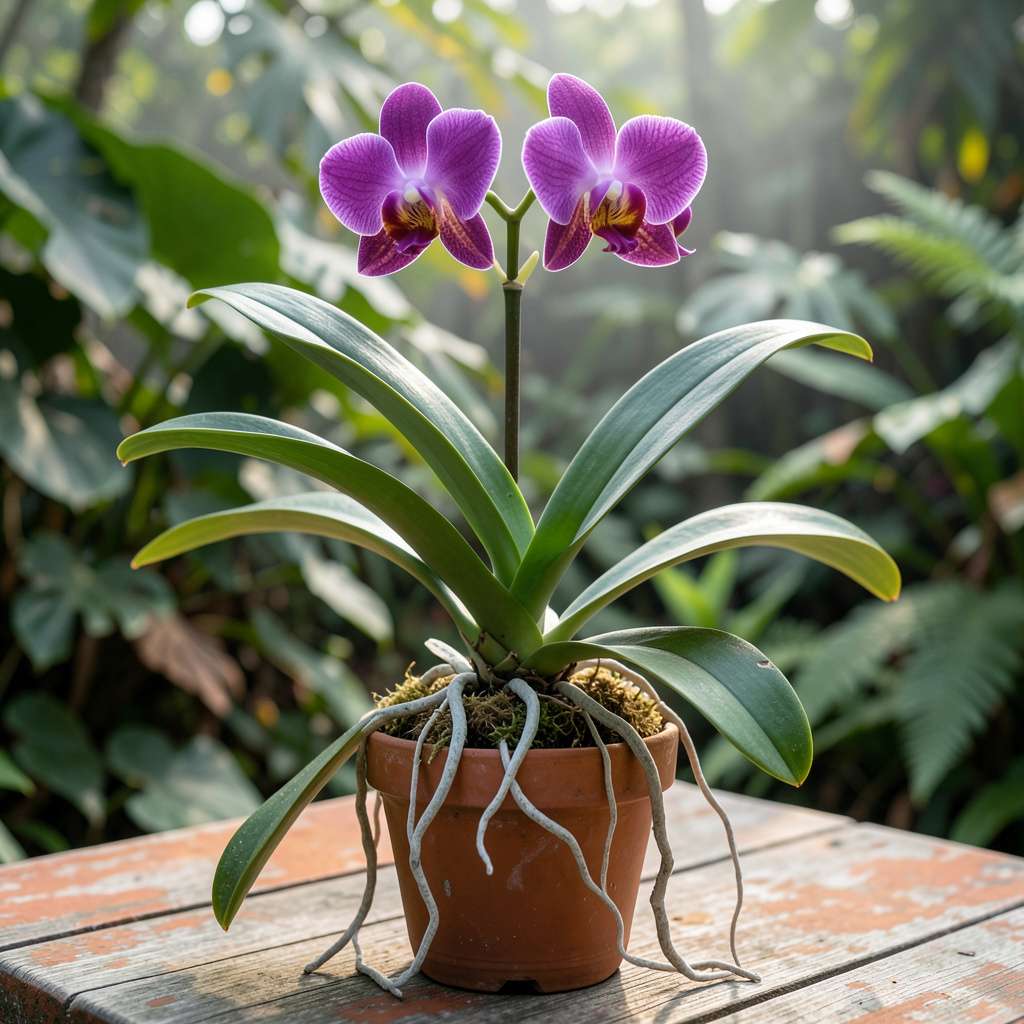
Most orchids thrive in bright, indirect light but can tolerate full sun with proper protection. Morning sun is ideal, while afternoon shade prevents leaf burn.
Understanding the light requirements for various types of orchids is crucial for their health. 🌱 Different species have unique tolerances to sunlight, and some, like Cattleyas, can handle more direct exposure compared to others such as Phalaenopsis. It’s essential to monitor your plants and adjust their environment accordingly to ensure they flourish in the right conditions.
Additionally, acclimating your orchids gradually to brighter light can help prevent shock and leaf damage. I recommend using shade cloth during the hottest part of the day and always keeping an eye out for signs of stress, like discoloration or drooping leaves. This approach will help your orchids thrive beautifully. 🌼
💡 In This Article
Different orchid species exhibit varying tolerances to sunlight, largely due to their native habitats. For instance, Cattleyas, often found in open forests, thrive under bright light and can endure full sun exposure when acclimated. 🌞 Conversely, Phalaenopsis orchids prefer filtered light, as they naturally grow in shaded areas beneath taller plants.
The reason behind these differences lies in their photosynthesis processes. Cattleyas can utilize intense light for photosynthesis effectively, reaching light intensity thresholds of around 2,000-3,000 foot-candles. In contrast, Phalaenopsis typically requires only about 1,000 foot-candles, making them sensitive to direct sunlight.
This sensitivity means that too much sun can lead to leaf burn, which appears as scorched tips or yellowing. 🔆
Acclimation is key when introducing orchids to higher light levels. Gradually increasing their exposure over a period of 2-3 weeks helps prevent shock. I recommend starting with just a few hours of morning sun before gradually extending their time in brighter conditions.
🌅 By doing this, you’ll allow the plant to adapt its light-capturing mechanisms without risking damage.
It’s also essential to monitor your orchids for stress indicators, particularly if they are positioned in full sun. Look for signs like yellowing leaves or wilting, which can indicate too much exposure. If these symptoms appear, providing afternoon shade or utilizing a shade cloth can help alleviate stress and maintain plant health. 🌿
Understanding the unique needs of each orchid species allows for better care practices. Knowing that Cattleyas can thrive in direct light while Phalaenopsis requires protection helps in creating an optimal growing environment. For successful growth, ensure you’re catering to these specific needs as you adjust their light exposure.
