
Beautiful Plants For Your Interior
Beautiful Plants For Your Interior
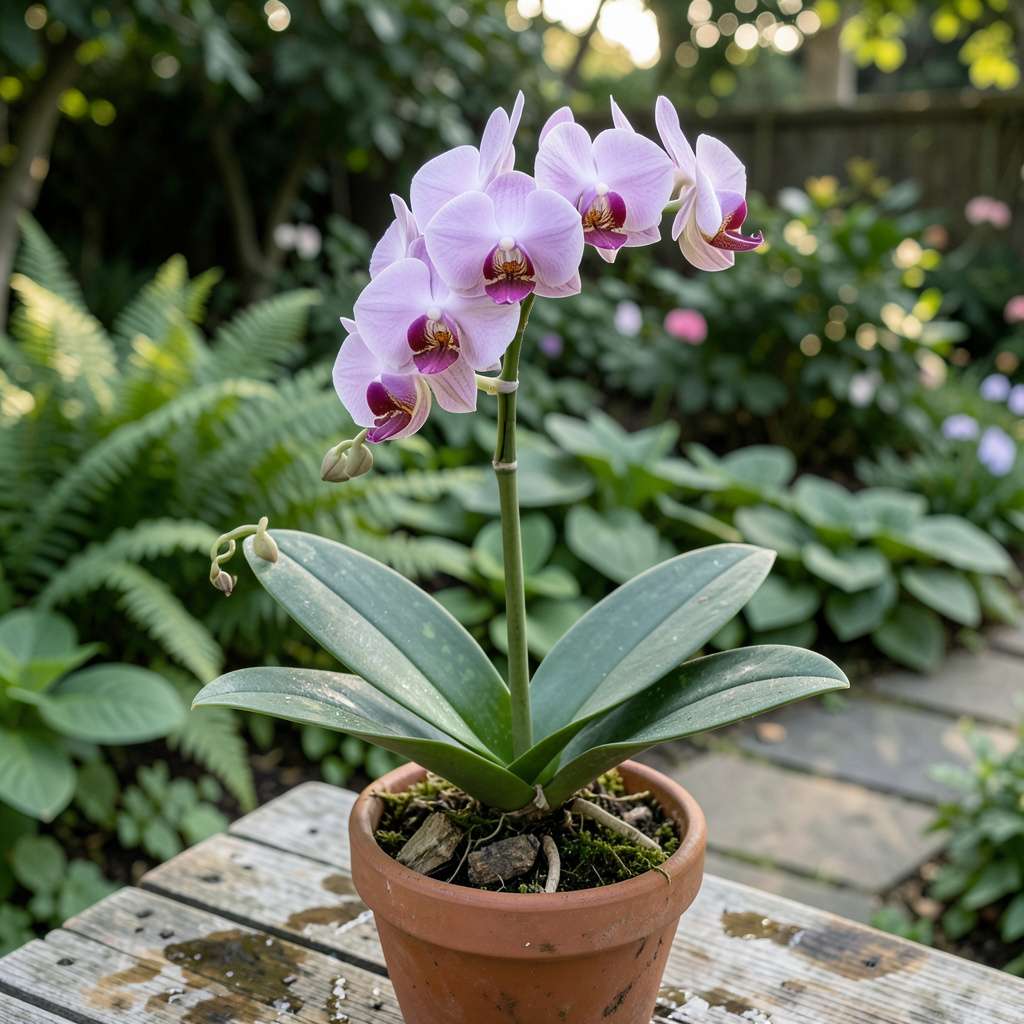
An orchid flower spike is a vertical stem that blooms with flowers, signaling the plant’s readiness to flower. Encourage spikes by providing proper light, watering, and fertilization.
Understanding how these flower spikes form can enhance your orchid care experience. 🌸 The right combination of light exposure and temperature changes encourages the plant to produce spikes. Additionally, keeping the roots healthy through proper watering and fertilization plays a crucial role in their development. I’ve seen firsthand how adjusting these factors can lead to beautiful blooms, making it all worth the effort!
💡 In This Article
The formation of an orchid flower spike is a fascinating biological process that begins with the plant’s response to environmental cues. Light intensity is a major player; orchids typically thrive in bright, indirect sunlight. This light stimulates photosynthesis, which produces energy and promotes growth, leading to the development of spikes. 🌞
Temperature fluctuations also significantly influence spike development. Orchids often require a drop in nighttime temperatures, ideally around 10°F lower than daytime temperatures, to trigger flowering. This drop mimics natural conditions and signals the plant that it’s time to prepare for blooming.
The ideal range is typically between 65°F and 75°F during the day and 55°F to 65°F at night. 🌙
Healthy roots are crucial in supporting spike formation. Orchids are unique in their epiphytic nature, meaning they grow on other surfaces without soil. Thus, ensuring that roots are not waterlogged is vital. A well-draining medium, such as bark chips or sphagnum moss, allows for adequate airflow while retaining some moisture. 🌱
Identifying emerging spikes can be rewarding. Look for small, green shoots developing from the base of the plant or between leaves. These spikes can take a few weeks to develop fully before producing flowers, so patience is essential. Additionally, regular monitoring can help you catch any potential issues early on. 👀
In summary, fostering the right conditions for orchid flower spikes involves understanding their needs for light, temperature, and root health. By fine-tuning these factors, you can significantly enhance your plant’s blooming potential and enjoy vibrant flowers. 🌸
