
Beautiful Plants For Your Interior
Beautiful Plants For Your Interior
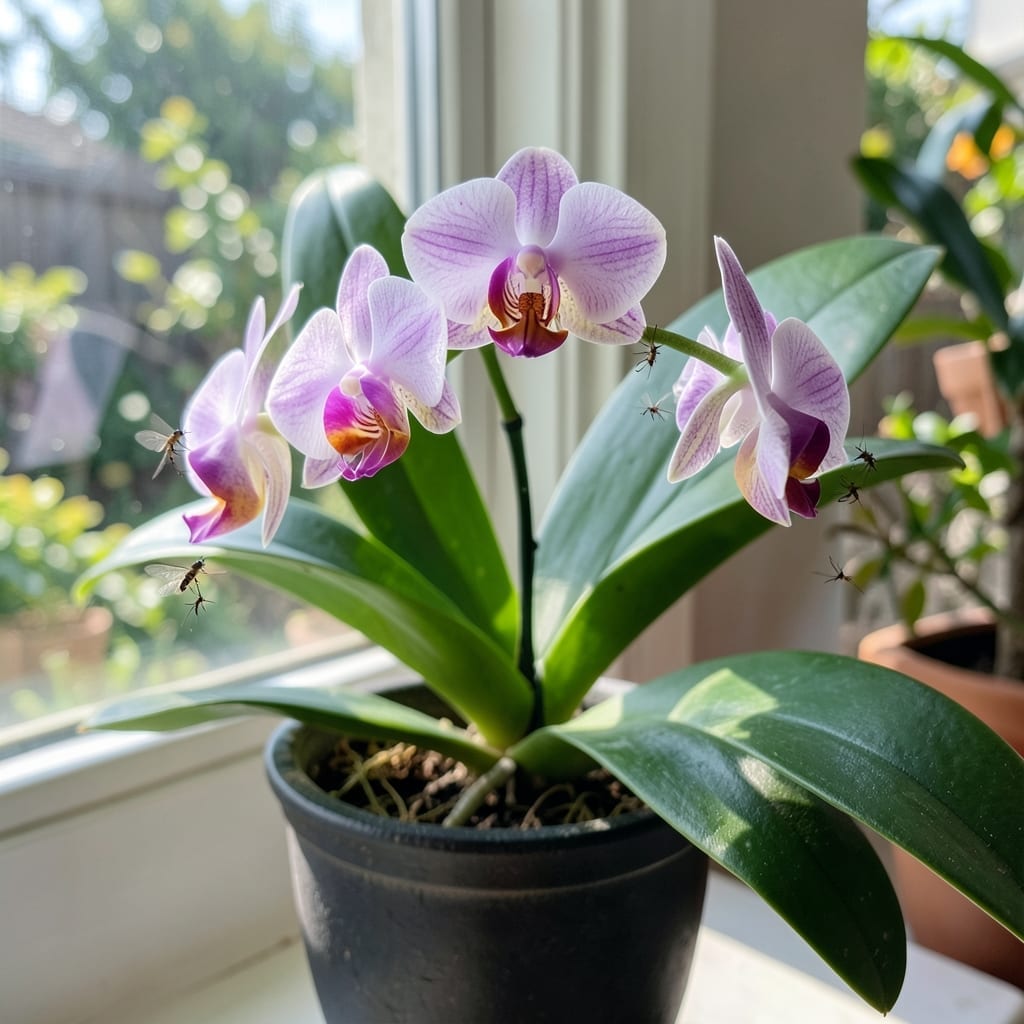
Tiny black flies swarming your orchid blooms? I’ve been there. Orchid blossom midges are sneaky pests that target flowers, laying eggs that ruin the beauty you’ve worked so hard to cultivate.
Here’s the thing—they’re drawn to decomposing plant matter and overwatering. A targeted neem oil spray disrupts their lifecycle without harming your plant. It’s a game-changer for keeping blooms pristine.
You’ll notice fewer midges within 48 hours of treatment, and your orchids stay healthier long-term. The key is consistency and catching them early before they multiply.
Works for all orchid types, from phalaenopsis to cattleyas. No harsh chemicals, just smart prevention.
Understanding why orchid blossom midges appear is key to preventing their damage. These tiny pests thrive under specific conditions, often tied to environmental and cultural factors in orchid care.
Midge larvae develop in damp, decaying organic matter. Overwatered orchids or those planted in poorly draining media create the perfect breeding ground. Stagnant water in pots or saucers encourages fungal growth, which attracts adult midges to lay eggs. Ensure your orchid’s potting mix is chunky and airy, and avoid letting water pool.
Dead leaves, spent blooms, or rotting bark in the growing medium provide food for larvae. Orchid blossom midges are drawn to decomposing material, where their offspring feed. Remove fallen petals or leaves promptly, and refresh the potting mix if it’s breaking down into fine, compact particles.
These pests proliferate in high humidity (60%+) and temperatures between 70–85°F (21–29°C). Greenhouses or indoor setups with limited airflow are prime targets. Improve ventilation with a small fan and maintain moderate humidity levels to discourage midge activity.
Orchids grown without regular inspection or preventative treatments (like neem oil sprays) are more vulnerable. Adult midges can enter through open windows or on freshly purchased plants. Quarantine new orchids and apply monthly neem oil treatments to disrupt their life cycle before an infestation takes hold.
Dealing with tiny pests on your orchids? Here’s how to tackle each issue head-on with simple, effective fixes.
Start by inspecting your orchid for wilted or damaged blossoms. If you spot midges, snip off the affected flowers with sterilized scissors. This prevents the pests from spreading to healthy blooms. Dispose of the infested parts in a sealed bag to avoid reinfestation.
Mix 1 tsp of neem oil with 1 quart of water and a few drops of mild dish soap. Spray this solution evenly on the orchid, focusing on blooms, leaves, and stems. Reapply every 5-7 days until the midges are gone. Neem oil disrupts their life cycle without harming your plant.
Midges thrive in stagnant, humid conditions. Increase airflow around your orchids by placing a small fan nearby or ensuring good ventilation. This simple step can deter future infestations by making the environment less hospitable for pests.
Prevention Tips:
Look for tiny black flies hovering around blooms or larvae in the potting mix. Wilted flowers or sticky residue on petals are also signs. Check under leaves and in flower spikes for hidden activity.
No, when diluted properly (1 tsp per quart of water), neem oil is safe for orchids. Test on a small area first and apply in the evening to avoid sunburn. It’s non-toxic and breaks down quickly.
Apply neem oil every 5-7 days until pests are gone, then switch to monthly prevention. Consistency is key to breaking their life cycle. Always remove debris between treatments.