
Beautiful Plants For Your Interior
Beautiful Plants For Your Interior
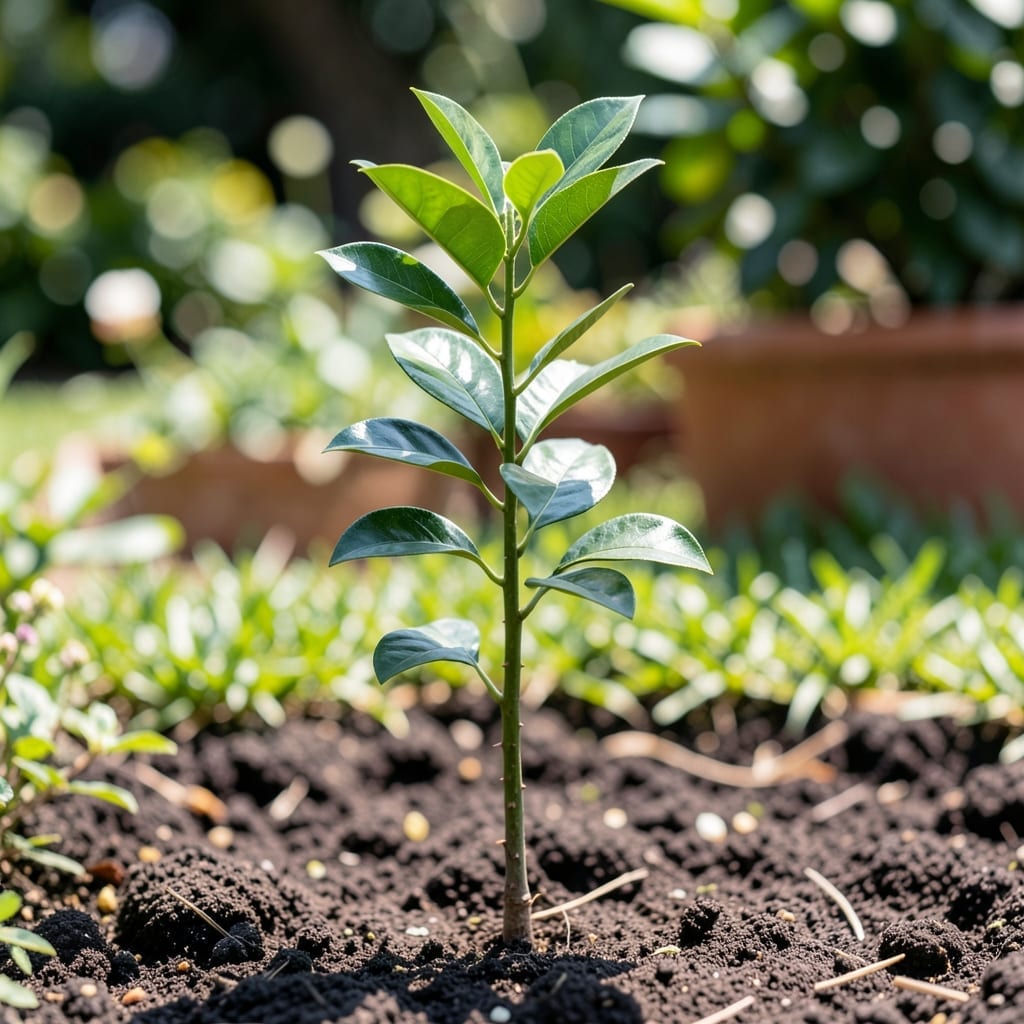
Those first orange seedling leaves can fool even experienced growers. I’ve watched countless new gardeners mistake cotyledons for true leaves, only to panic when the real ones finally appear.
Here’s the thing—cotyledons look completely different from the jagged, deep-green true leaves that follow. They’re smooth, round, and often a lighter shade, serving only as the seedling’s initial food source.
Once you spot the change, you’ll know your orange tree’s on the right track. The true leaves signal it’s time to adjust care—more light, a touch of fertilizer, and closer pest monitoring.
Don’t stress over the early confusion. Even my first citrus seedlings had me second-guessing until I learned this simple distinction.
Orange seedlings develop distinct leaf types due to natural growth stages and environmental responses. Here’s a breakdown of the primary causes:
Cotyledons are the seed’s built-in energy source, appearing as the first leaves during germination. These round or oval leaves are part of the embryonic structure and do not resemble true leaves. They provide nutrients until the seedling can photosynthesize on its own.
After cotyledons, true leaves emerge, displaying the classic serrated edges and glossy texture of orange foliage. This transition happens as the seedling shifts to light-dependent growth. True leaves form due to genetic programming and the activation of photosynthetic pathways.
Light, temperature, and moisture influence leaf development. Insufficient light can delay true leaf formation, while overwatering may cause yellowing or distortion. Ensure seedlings receive 6–8 hours of sunlight daily and well-draining soil to support healthy growth.
When your orange seedling’s leaves show signs of trouble, quick action can restore its health. Below are practical fixes for common problems, paired with prevention tips to keep your seedling thriving.
Fix: This often signals overwatering or nutrient deficiency. Let the soil dry slightly between waterings, and use a balanced, water-soluble fertilizer (10-10-10) every 2-4 weeks. If the soil is waterlogged, repot the seedling in well-draining mix.
Prevention: Use pots with drainage holes and a light, aerated soil blend. Monitor moisture with your finger—water only when the top inch feels dry.
Fix: Typically caused by underwatering or low humidity. Water deeply until it drains from the bottom, and mist the leaves lightly if your air is dry. For severe cases, move the seedling to a more humid spot, like a bathroom with natural light.
Prevention: Maintain consistent moisture and group plants together to raise humidity naturally. Avoid placing seedlings near heaters or vents.
Fix: For aphids or spider mites, wipe leaves with a damp cloth dipped in mild soapy water. For stubborn infestations, use neem oil spray (1 tsp oil + 1 quart water + a few drops of dish soap). Apply in the evening to avoid sunburn.
Prevention: Inspect new plants before introducing them and keep your growing area clean. Encourage beneficial insects like ladybugs with companion plants.
Fix: If leaves are small or slow to appear, the seedling may need more light or nutrients. Move it to a sunnier spot (6-8 hours of light daily) or supplement with a grow light. Add compost or worm castings to the soil for a nutrient boost.
Prevention: Start seedlings in a warm, bright location and rotate pots weekly for even growth. Test soil pH—orange seedlings prefer slightly acidic soil (6.0-7.0).
Cotyledons are the first leaves—round, smooth, and lighter green. True leaves appear later with jagged edges and deeper color. Cotyledons will eventually fall off as the seedling matures.
Yellowing often means overwatering or nutrient deficiency. Let soil dry slightly between waterings and use a balanced fertilizer every 2-4 weeks. Check for waterlogged soil.
Underwatering or low humidity are common culprits. Water deeply until it drains from the bottom and mist leaves lightly. Keep seedlings away from heaters or vents.