
Beautiful Plants For Your Interior
Beautiful Plants For Your Interior
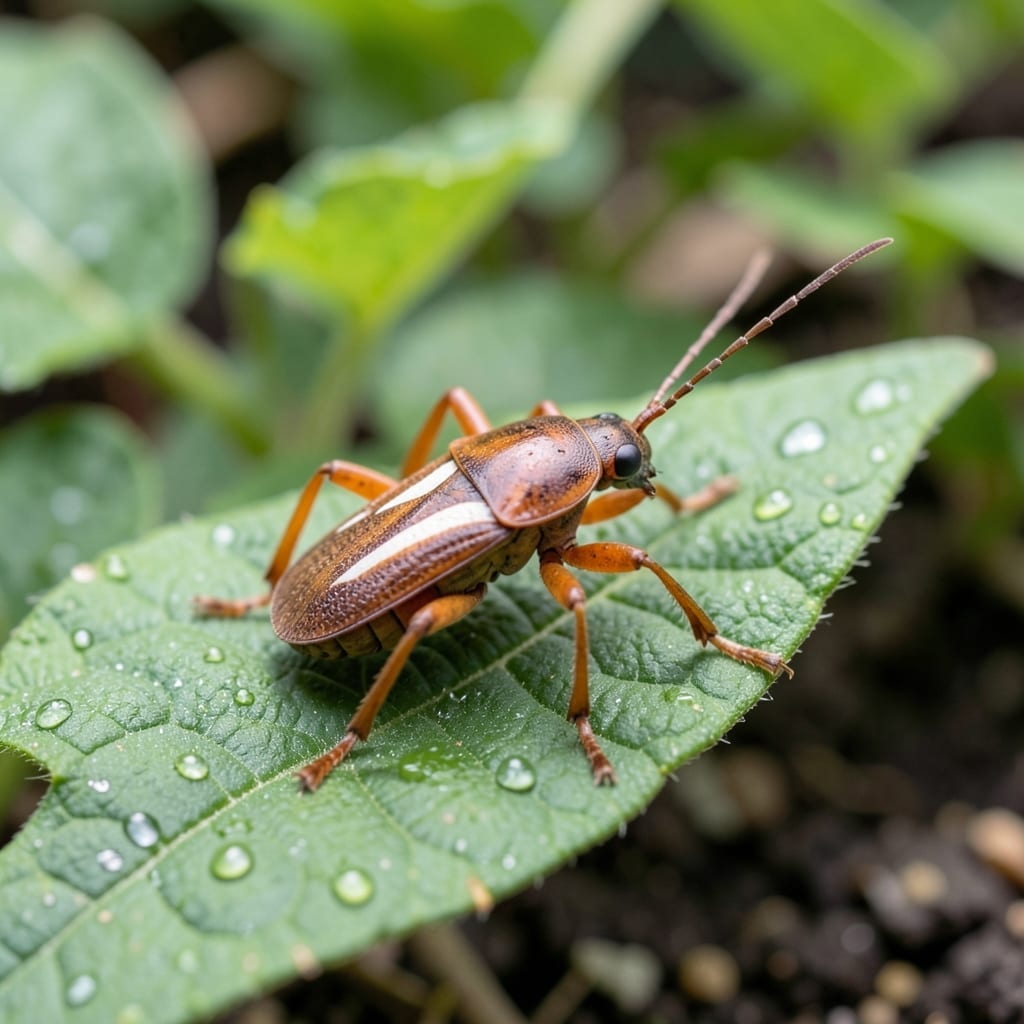
These orange bugs showed up on my citrus trees last summer and nearly ruined the harvest. They’re sneaky, blending in with fruit and leaves until the damage is done.
I learned the hard way that early detection is everything. Look for orange-brown adults about 3/4 inch long with distinctive white bands across their wings, and nymphs that cluster on stems.
Left unchecked, they pierce fruit and leaves, causing premature drop and stunted growth. The good news? Organic control works if you act fast with the right methods.
This approach protects your trees without harsh chemicals. Here’s how to spot, prevent, and treat infestations effectively.
The orange leaf-footed bug, a common citrus pest, thrives due to specific environmental and biological factors. Understanding these triggers can help you prevent and manage outbreaks effectively.
These bugs flourish in warm, subtropical, and tropical climates, which align perfectly with citrus-growing regions. Temperatures between 75–90°F (24–32°C) accelerate their reproduction cycle, leading to rapid population growth. In cooler areas, they may seek shelter in leaf litter or under bark to survive winter.
Citrus trees are their primary host plants, but they also target other fruits like apples, peaches, and tomatoes. Overripe or damaged fruit emits volatile compounds that attract these bugs, while dense foliage provides ideal hiding spots for feeding and laying eggs.
In many gardens, natural predators like birds, parasitic wasps, or assassin bugs are absent or insufficient to control the population. Without these checks, orange leaf-footed bugs multiply unchecked, especially in monoculture orchards where biodiversity is low.
High humidity and excess moisture (from irrigation or rainfall) create a favorable environment for egg-laying and nymph development. Poor drainage or overwatering can exacerbate the problem, as damp soil encourages fungal growth, which indirectly supports bug survival.
Dealing with these pests doesn’t have to mean reaching for harsh chemicals. Here’s how to tackle the problem naturally, step by step.
If you spot just a few bugs, remove them by hand early in the morning when they’re sluggish. Drop them into a bucket of soapy water to ensure they don’t return. Pro tip: 💡 Wear gloves to protect your hands from their strong odor.
Mix 1 tablespoon of mild liquid soap with 1 quart of water and spray directly on the bugs. This breaks down their protective coating, causing them to dehydrate. Reapply every few days until the problem subsides.
Encourage beneficial insects like assassin bugs, lacewings, and parasitic wasps by planting nectar-rich flowers nearby. These predators keep pest populations in check without chemicals.
Dilute neem oil with water (follow package instructions) and spray it on affected areas. Neem disrupts their life cycle and repels adults. Apply in the evening to avoid harming pollinators.
Consistency is key—combine methods for the best results!
Adults are orange-brown, about 3/4 inch long with white bands on their wings. Nymphs are smaller, wingless, and often cluster on stems. Their distinctive leaf-like leg extensions help them blend in.
No, while citrus is their favorite, they also target tomatoes, peaches, and other fruits. They’re attracted to overripe or damaged produce, so inspect all garden plants regularly.
Early morning is ideal for handpicking, as bugs are sluggish. For sprays, apply in the evening to avoid harming pollinators. Treat at first sign of damage for best results.