
Beautiful Plants For Your Interior
Beautiful Plants For Your Interior
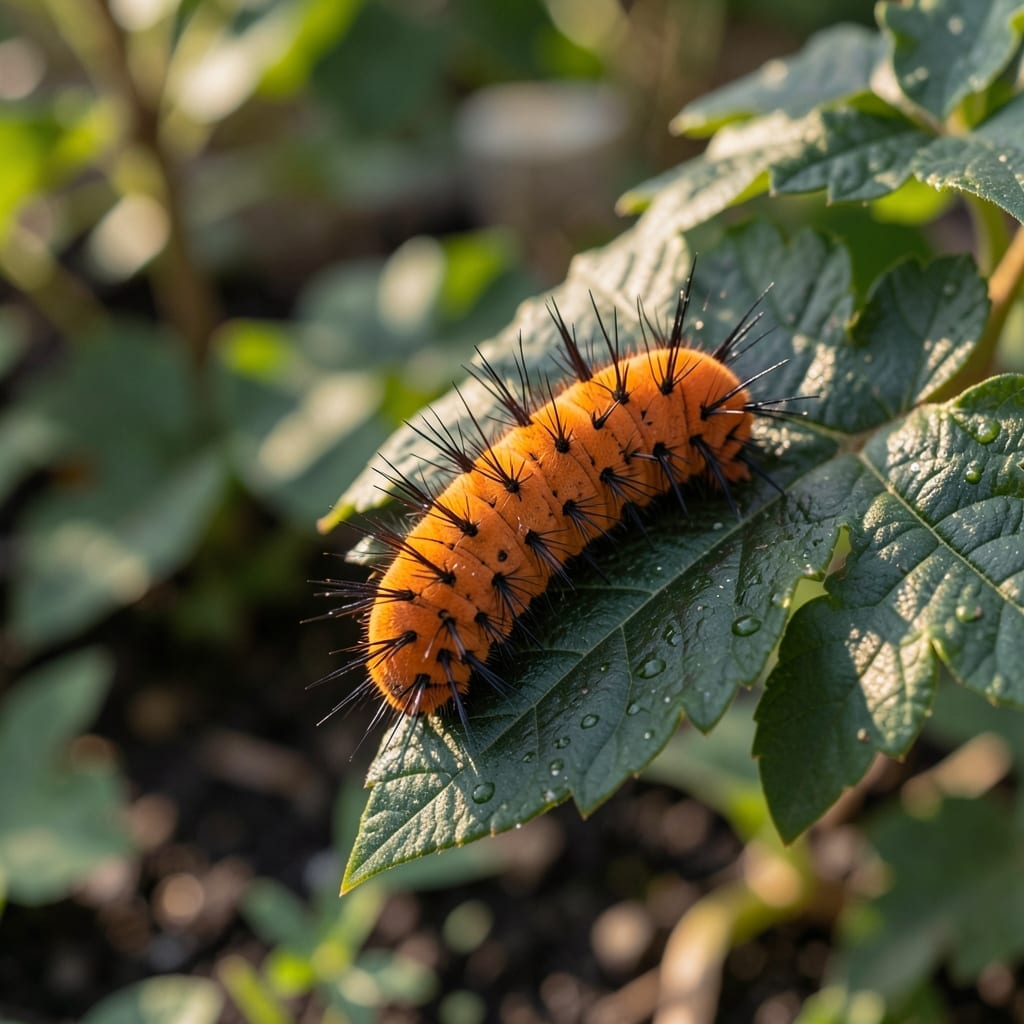
I spotted my first orange caterpillar with black spikes last summer, munching on my passion vine. Turns out, it’s likely a Gulf Fritillary larva—not a pest, but a future butterfly.
These spiky visitors are actually beneficial pollinators in their adult stage. They won’t permanently harm your vine, though heavy feeding can defoliate it temporarily. The key is balance.
If you need to manage them, start with hand-picking and relocating. For larger infestations, a strong spray of water or neem oil works without chemicals.
Prevent future outbreaks by checking leaves weekly and encouraging natural predators like birds. Your vine—and the butterflies—will thank you.
The presence of an orange caterpillar with black spikes on your passion vine is most commonly caused by the Gulf Fritillary butterfly (Agraulis vanillae), whose larvae feed exclusively on passionflower plants. These caterpillars thrive in warm climates and are naturally drawn to passion vines as their primary host. Below are the key reasons why this happens:
Passion vines (Passiflora spp.) produce unique chemical compounds that Gulf Fritillary caterpillars rely on for survival. The plant’s foliage contains cyanogenic glycosides, which the larvae can process without harm, deterring most predators. This evolutionary adaptation makes passion vine the ideal nursery for these caterpillars, ensuring their growth and eventual metamorphosis.
Gulf Fritillaries are native to tropical and subtropical regions, and their caterpillars flourish in temperatures between 70–90°F (21–32°C). In these conditions, female butterflies lay clusters of eggs on passion vine leaves, leading to rapid hatching and feeding. If your garden is in a warm, humid zone, the likelihood of an infestation increases significantly.
An unmanaged passion vine—dense with foliage and free of natural predators—creates a perfect breeding ground. Without regular pruning or beneficial insects (like parasitic wasps) to control the population, caterpillars can multiply quickly, stripping the plant of leaves. Keeping the vine trimmed and monitoring for early signs of eggs or larvae can help prevent overinfestation.
Dealing with orange caterpillars with black spikes on your passion vine? Here’s how to tackle the issue without harming your plants or the environment. These pests can defoliate your vine quickly, so act fast with these practical, safe solutions.
If the infestation is small, manual removal is the simplest and most eco-friendly method. Wear gloves to protect your hands from the spines, and drop the caterpillars into a bucket of soapy water. Check the undersides of leaves, where they often hide.
Neem oil is a natural insecticide that disrupts the caterpillars’ life cycle. Mix 1 tablespoon of neem oil with 1 quart of water and a few drops of dish soap. Spray the solution evenly on both sides of the leaves, focusing on affected areas. Reapply every 5–7 days or after rain.
Attract birds, parasitic wasps, or ladybugs to your garden—they love feasting on caterpillars! Install bird feeders, plant native flowers, or add a small water source to invite these helpful predators.
For heavier infestations, use Bt, a bacteria-based spray that targets caterpillars without harming other insects or plants. Apply it in the early morning or late evening for best results, and reapply after rain.
Not permanently! These are Gulf Fritillary larvae, which feed on passion vine leaves but won’t kill the plant. Heavy feeding may defoliate it temporarily, but the vine usually recovers quickly.
The spines are harmless to humans but may feel prickly. Wear gloves when handling to avoid skin irritation. They’re purely a defense against predators, not a threat to gardeners.
Check leaves weekly for eggs or young caterpillars. Prune damaged foliage and encourage natural predators like birds. Avoid chemical pesticides to protect beneficial insects.