
Beautiful Plants For Your Interior
Beautiful Plants For Your Interior
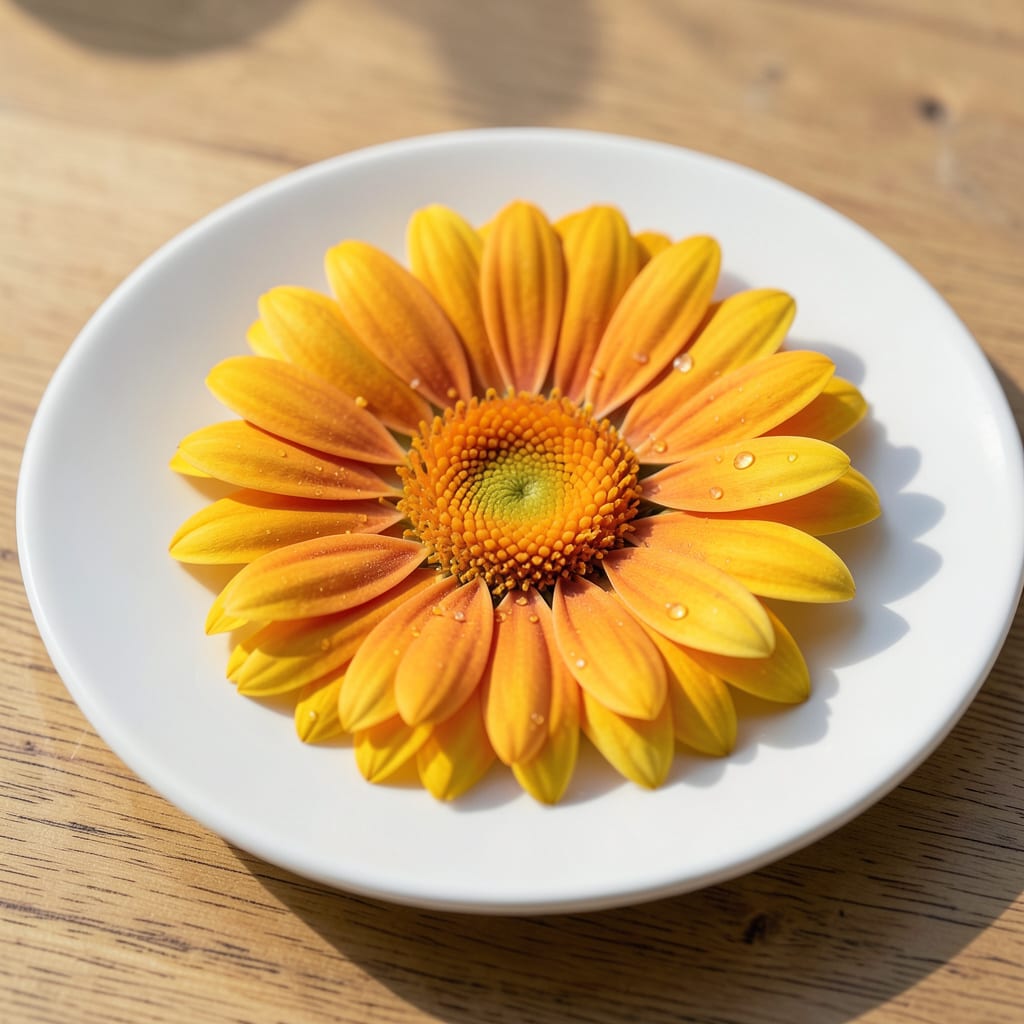
Sunny borders come alive with these bicolor daisies. 🌟 I planted my first patch three summers ago, and now they’re the highlight of my garden from June through September, with petals that shift from golden yellow to fiery orange as they mature.
They thrive in well-drained soil and full sun, asking for little more than occasional watering once established. The payoff is a low-maintenance burst of color that attracts pollinators and brightens any landscape.
📚 In This Guide
Here’s the method I use to get vibrant, long-lasting blooms from these cheerful bicolor daisies.
Select a location with full sun—at least 6-8 hours of direct sunlight daily. These daisies thrive in bright, open spaces. I always avoid low spots where water might pool after rain, as soggy soil leads to root rot and sad, wilting plants.
Check your soil drainage by digging a 1-foot-deep hole and filling it with water. If it drains within 1 hour, you’re good. If not, amend with compost or choose a raised bed. The ideal spot feels warm to the touch in the morning and stays bright through the afternoon.
Loosen the soil to a depth of 12-15 inches with a garden fork or tiller. This helps roots establish quickly. I mix in a 2-3 inch layer of compost to boost fertility—daisies aren’t picky, but they reward good soil with more blooms.
Remove any weeds or debris that might compete for nutrients. The soil should feel crumbly and light in your hands, not packed down. If your soil is heavy clay, add some coarse sand to improve drainage before planting.
Dig a hole about twice the width of the root ball and just as deep. Place the plant in the hole, ensuring the top of the root ball sits level with the surrounding soil. Backfill with the amended soil, pressing lightly to remove air pockets.
Space plants 18-24 inches apart to give them room to spread. Crowding leads to poor air circulation and disease. Water each plant deeply right after planting—you should see the soil settle slightly as the water soaks in.
Water your daisies 1-2 times per week, giving them about 1 inch of water each time. The goal is consistent moisture, not soggy soil. I check by sticking my finger 1 inch into the soil—if it feels dry, it’s time to water.
After planting, spread a 2-3 inch layer of mulch around the base to retain moisture and suppress weeds. Keep the mulch 1-2 inches away from the stems to prevent rot. Straw or shredded bark works best for these hardy perennials.
Deadhead spent flowers regularly by snipping them off at the base of the stem. This encourages the plant to produce more blooms instead of setting seed. I do this every 1-2 weeks during peak flowering season.
Fertilize lightly in early spring with a balanced 10-10-10 fertilizer, but don’t overdo it—too much nitrogen leads to lush foliage at the expense of blooms. Cut back the entire plant by one-third after the first flush of flowers fades to promote a second round of vibrant orange and yellow blooms.
Small adjustments in planting and care make a big difference for these vibrant blooms.
Sunlight Essentials: Those 6-8 hours of direct sunlight daily are non-negotiable for vibrant blooms. If your garden only gets partial sun, choose the sunniest spot available—even a few extra hours of morning light can boost flower production significantly.
Drainage Test: The 1-hour drainage test in Step 1 is your best insurance against root rot. If water sits longer, don’t skip the compost amendment or raised bed—soggy roots are the fastest way to kill these hardy plants.
Planting Depth: In Step 3, resist the urge to plant deeper than the root ball. Burying the stem can lead to rot. The top of the root ball should sit flush with the soil surface—this prevents both rot and drought stress.
Mulching Technique: That 1-2 inch gap between mulch and stems in Step 4 isn’t just advice—it’s critical. Piled-up mulch traps moisture against the stem, creating perfect conditions for fungal diseases. Straw works better than wood chips here because it breaks down faster into soil-improving organic matter.
These vibrant daisies thrive in full sun and well-drained soil. Water them moderately, allowing the soil to dry between waterings. Deadhead spent blooms to encourage continuous flowering, and apply a balanced fertilizer every 4-6 weeks during the growing season.
Plant them in early spring or fall for the best results. This gives the roots time to establish before extreme summer heat or winter cold. In mild climates, you can also plant in late winter.
Yes! Choose a pot with good drainage and fill it with potting mix. Ensure the container receives at least 6-8 hours of sunlight daily. Container-grown daisies may need more frequent watering.
Lack of sunlight, over-fertilizing, or poor soil drainage can hinder blooming. Ensure they get enough sun, use a low-nitrogen fertilizer, and check that the soil isn’t waterlogged.
Pair them with purple coneflowers, blue salvia, or ornamental grasses for a striking contrast. These combinations enhance visual appeal and attract pollinators like bees and butterflies.
