
Beautiful Plants For Your Interior
Beautiful Plants For Your Interior
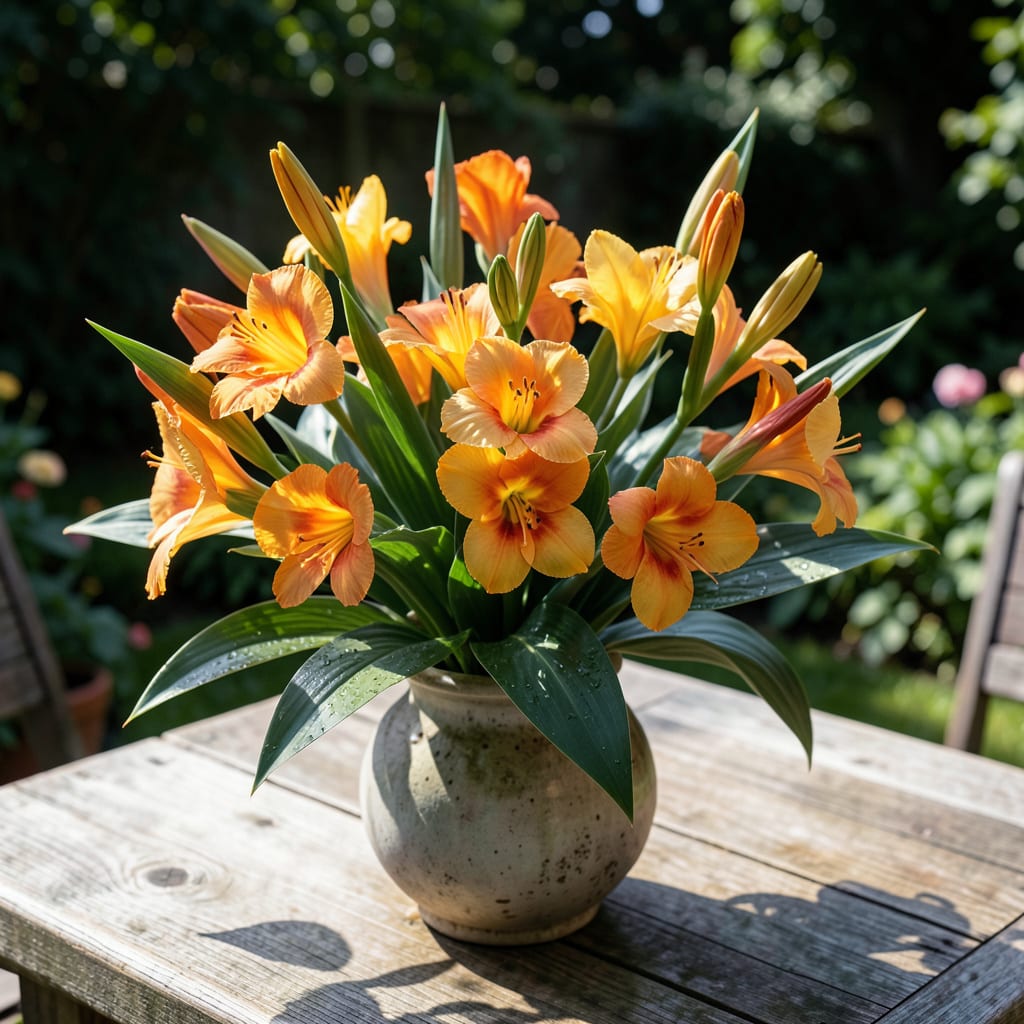
These bold, tropical plants bring eye-catching color to any garden with their fiery orange and sunny yellow blooms. I’ve grown them for years, and nothing beats their dramatic impact against green foliage.
They thrive in full sun with moist, well-draining soil, and once established, they’ll reward you with months of vibrant blooms. Perfect for borders, ponds, or containers—just give them room to shine.
📚 In This Guide
Here’s the method I use to establish bold, tropical canna lilies that thrive with minimal effort.
Choose a site with full sun—canna lilies need at least 6-8 hours of direct sunlight daily to produce their most vibrant orange and yellow blooms. Partial shade works, but you’ll sacrifice flower intensity and may see more foliage than flowers.
Ensure the soil drains well. Canna rhizomes rot quickly in standing water. If your garden has heavy clay, amending with compost or planting in raised beds solves this. I test drainage by digging a 1-foot hole and filling it with water—if it drains completely within 2-3 hours, you’re good to go.
Canna lilies aren’t picky about soil type but perform best in rich, loamy earth. Work in 2-3 inches of compost or well-rotted manure to a depth of 12 inches before planting. This improves both drainage and fertility, giving rhizomes room to expand.
A soil pH between 6.0 and 6.5 is ideal. If you’re unsure, a simple test kit from any garden center removes the guesswork. I’ve found that cannas tolerate slightly alkaline soil, but acidic conditions below 5.5 can stunt growth and reduce bloom quality.
Plant rhizomes horizontally in the spring after the last frost when soil temperature reaches 60-65°F. Dig holes 4-6 inches deep and space rhizomes 18-24 inches apart—they’ll spread quickly. Each hole should accommodate the rhizome with the growing eyes (those little bumps) facing upward.
Cover with soil and water thoroughly to settle the earth around the rhizomes. Don’t water again until you see new growth emerging, usually within 2-3 weeks. Overwatering at this stage is a common mistake that causes rot before the plant even starts.
Once shoots appear, maintain even moisture—1-2 inches of water per week is perfect. Canna lilies are drought-tolerant once established, but consistent watering produces the most spectacular blooms. I water deeply twice weekly during dry spells rather than shallow daily watering.
Fertilize monthly during the growing season with a balanced 10-10-10 or high-phosphorus formula to encourage flowering. Deadhead spent blooms regularly to prolong the display. Watch for first flower spikes—they’ll emerge from the center of the plant and uncurl dramatically.
In zones 7 and below, canna lilies need winter protection. After the first frost blackens the foliage, cut stems back to 4-6 inches. Dig up rhizomes carefully, shake off excess soil, and let them dry in a well-ventilated area for 1-2 days.
Store in a cool, dark place (around 45-50°F) in slightly damp peat moss or vermiculite. Check monthly for shriveled rhizomes—mist lightly if they’re drying out. Replant in spring after all danger of frost has passed. This overwintering process ensures your orange and yellow cannas return bigger and more floriferous each year.
Small details in planting and care make a huge difference in how these tropical beauties thrive.
Sunlight Priority: Those 6-8 hours of direct sunlight daily aren’t just a suggestion—they’re essential for the vibrant orange and yellow blooms that make these plants stand out. I’ve seen firsthand how partial shade results in more foliage than flowers, which defeats the purpose of these showstoppers.
Drainage Test: The 2-3 hours drainage test in Step 1 is your best insurance against rot. If water sits longer than that in your 1-foot hole, raised beds or amending with compost is non-negotiable. Canna rhizomes will thank you by growing bigger each year.
Planting Depth: When digging those 4-6 inches deep holes in Step 3, err on the shallower side if your soil is heavy. The rhizomes need room to spread horizontally, not depth. And always, always check that the growing eyes face upward—that little detail determines whether you’ll see blooms or just leaves.
Winter Storage: For zones 7 and below, that 45-50°F storage temperature in Step 5 is the sweet spot. Too warm and the rhizomes may sprout prematurely; too cold risks freezing. I check mine monthly during winter storage and mist just enough to keep them from shriveled up.
Plant them in spring after the last frost. Choose a sunny spot with well-draining soil, and place rhizomes 4-6 inches deep, spacing them 12-18 inches apart. Water thoroughly after planting.
These vibrant plants typically bloom from mid-summer to early fall, depending on the climate. With proper care, they can produce flowers continuously for several weeks.
Yes! Use large pots (at least 12 inches deep) with drainage holes. Fill with rich potting mix and ensure they get full sun. Containers allow you to move them indoors during winter.
Brown leaves may indicate overwatering, underwatering, or nutrient deficiencies. Check soil moisture and fertilize monthly with a balanced fertilizer. Remove damaged foliage to encourage healthy growth.
Consider crocosmia, daylilies, or black-eyed Susans for similar vibrant colors. These are also low-maintenance and thrive in comparable growing conditions.
