
Beautiful Plants For Your Interior
Beautiful Plants For Your Interior
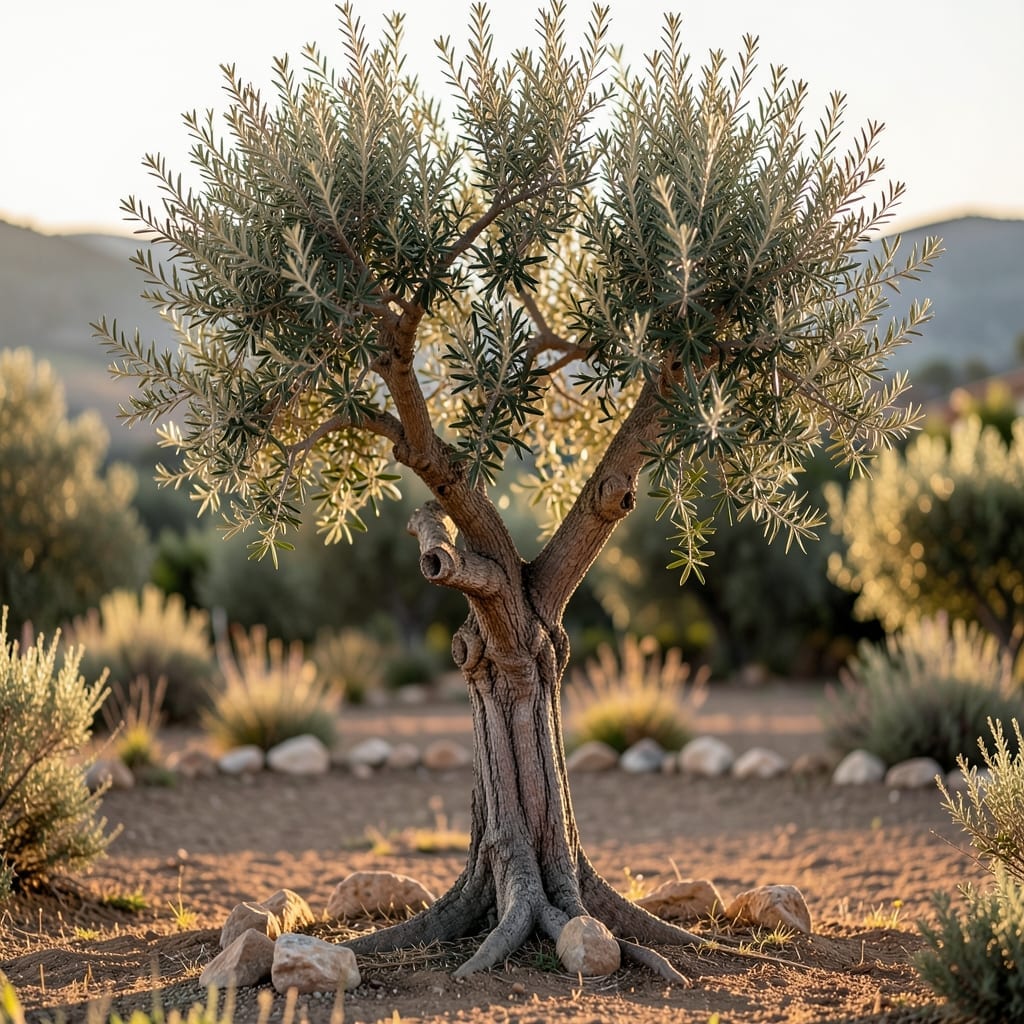
Watching a tiny 🫒 Olive Tree seedling transform into a majestic fruit-bearing tree is one of gardening’s most rewarding experiences. This journey spans years, but each stage brings its own magic and care requirements.
From the delicate germination phase to the robust maturity of a full-grown tree, understanding these key stages helps you nurture your Olive Tree properly. Every phase demands different attention, whether it’s watering, pruning, or soil adjustments.
Discover how to guide your tree through each growth milestone and enjoy the fruits of your labor—literally. Let’s explore what makes each stage unique and how to support your Olive Tree’s development.


Understanding the olive tree growth stages is essential for providing proper care. Each phase has unique needs and characteristics that shape the tree’s development over time.
From the fragile germination period to the sturdy full maturity stage, your olive tree will transform dramatically. Recognizing these changes helps you adjust your care routine effectively.
| Stage | Duration | Key Characteristics | Care Focus |
|---|---|---|---|
| Germination | 0-2 weeks | Seed sprouts, roots emerge | Keep soil moist, warm |
| Seedling | 2 weeks-1 year | First leaves appear, 2-3 ft tall | Protect from frost, light watering |
| Juvenile | 1-3 years | Bark thickens, 6-8 ft tall | Prune lightly, full sun |
| Early Maturity | 3-5 years | Branches strengthen, 10-12 ft | Encourage branching, fertilize |
| Full Maturity | 5+ years | Fruit-bearing, 20-30 ft | Regular pruning, harvest |
The germination stage is the most delicate. Olive seeds need consistent moisture and temperatures between 60-75°F to sprout. I recommend using a seedling tray with well-draining soil.
Once your seedling emerges, it enters a rapid growth phase. During this time, focus on light watering and protection from harsh weather. A sunny windowsill or greenhouse works well here.
The juvenile stage is when your olive tree starts looking like a real tree. You’ll notice the bark thickening and the first true leaves forming. This is the perfect time to transplant to a larger pot or garden bed.
At early maturity, your olive tree will develop a stronger structure. I’ve found that light pruning during this phase helps create a better shape and encourages more branches for future fruit production.
Finally, full maturity brings the reward: fruit! Your tree will now produce olives annually if given proper care. Remember, olive trees can live for centuries, so this stage is just the beginning of a long, productive life.
Each growth stage has its challenges. Young trees need more water, while mature ones are more drought-tolerant. Adjust your care as your tree grows to ensure its health and productivity.
I always remind gardeners that patience is key with olive trees. They grow slowly but reward you generously with time. Celebrate each milestone as your tree progresses through its growth stages.
🌿Supporting your olive tree through each growth stage requires tailored care. From watering to pruning, every action you take can significantly impact its development and future productivity.
I’ve found that understanding the specific needs of each phase allows gardeners to provide the best support. Let’s explore practical tips to help your tree thrive from seedling to maturity.
During the seedling stage, your olive tree is particularly vulnerable. I recommend using a humidity dome to maintain moisture levels and protect against temperature fluctuations.
As your tree enters the juvenile phase, focus on developing a strong root system. This is achieved through deep watering every 10-14 days and ensuring the soil is never waterlogged.
When your olive tree reaches early maturity, it’s time to encourage branching. I’ve had success with selective pruning of the central leader to promote a bushier shape, which leads to better fruit production.
At full maturity, your tree will be more self-sufficient but still benefits from your attention. Annual pruning helps maintain shape and encourages new growth, while regular harvesting keeps the tree productive for years to come.
🌳