
Beautiful Plants For Your Interior
Beautiful Plants For Your Interior
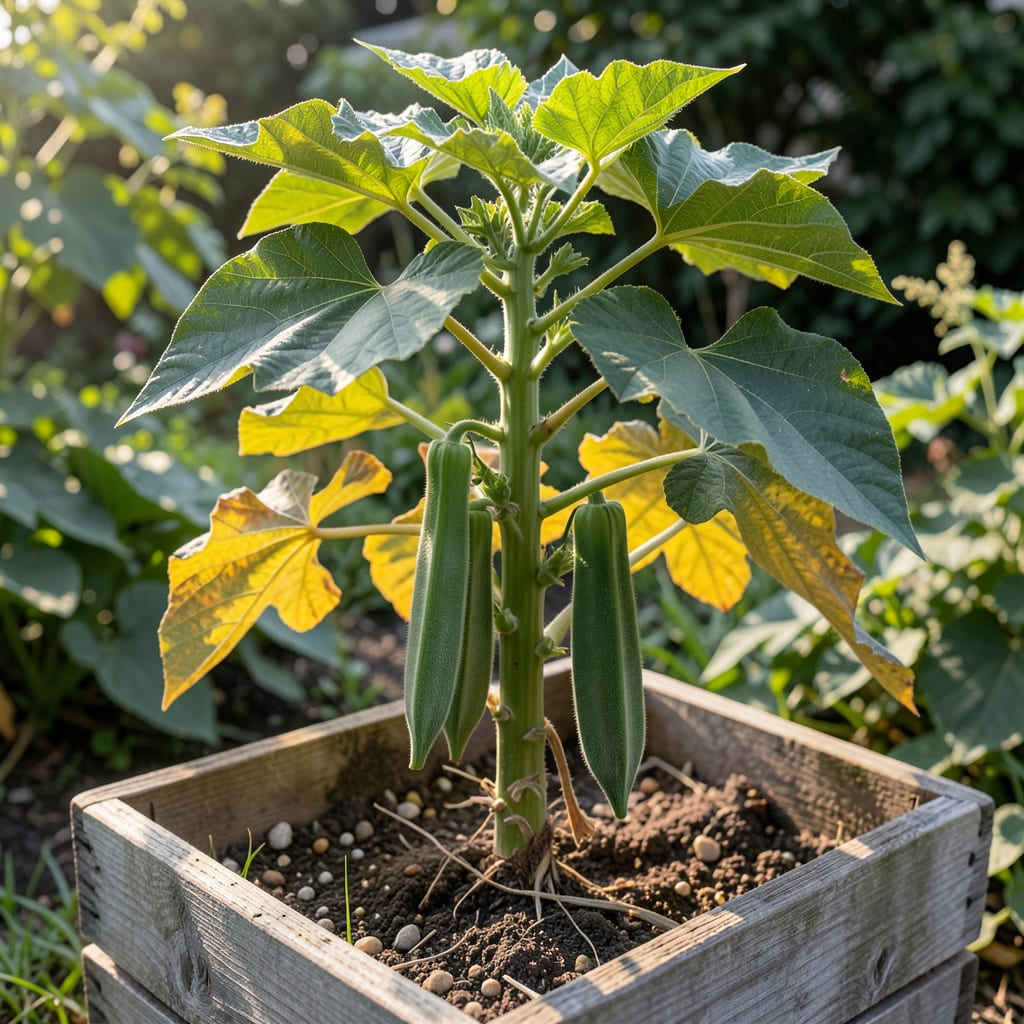
Yellow leaves on okra plants don’t mean the end of the season. I’ve saved countless plants by catching this early and fixing the root cause.
Most times it’s a simple nutrient issue—nitrogen, magnesium, or iron. Other culprits include overwatering, poor drainage, or pests hiding under the leaves. The good news? These are all fixable problems once you know what to look for.
You’ll see new green growth within 1-2 weeks of correction. The key is proper diagnosis first, then targeted solutions like soil amendments or adjusted watering schedules.
Works for container and in-ground plants alike. Here’s how to play plant detective.
Yellowing leaves on your okra plant can stem from several underlying issues. Below are the most common causes, explained with actionable insights.
Okra is a heavy feeder, and nitrogen, magnesium, or iron deficiencies often manifest as yellow leaves. Nitrogen deficiency typically starts with lower leaves turning pale yellow, while magnesium deficiency causes interveinal chlorosis (yellowing between veins). Iron deficiency also triggers chlorosis but affects younger leaves first. Test your soil and amend with a balanced fertilizer or compost to restore nutrients.
Too much water suffocates roots, preventing nutrient uptake and leading to yellow, wilted leaves. Okra thrives in well-draining soil—soggy conditions promote root rot, which further stresses the plant. Check soil moisture before watering, and ensure pots or garden beds have proper drainage. Let the top 1-2 inches of soil dry out between waterings.
Extreme heat, cold snaps, or sudden temperature swings can cause okra leaves to yellow. Okra prefers warm climates (75–95°F); below 50°F, growth slows, and leaves may discolor. Shield plants from harsh winds or frost, and use mulch to regulate soil temperature.
Sap-sucking pests like aphids, spider mites, or whiteflies drain plant fluids, leading to yellowing and stunted growth. Inspect leaf undersides for tiny bugs or webbing. Treat with neem oil or insecticidal soap to restore plant health.
Addressing yellow leaves on your okra plant starts with identifying the root cause. Here’s how to tackle the most common issues and restore your plant’s health:
Fix: Test your soil to confirm deficiencies. For nitrogen, amend with compost or a balanced fertilizer (10-10-10). For magnesium, add Epsom salt (1 tablespoon per gallon of water) as a foliar spray. Iron deficiency? Use chelated iron or lower soil pH with sulfur.
Prevention: Apply a slow-release fertilizer at planting and side-dress every 4-6 weeks. Rotate crops annually to avoid depletion.
Fix: Let the soil dry slightly between waterings. If drainage is poor, transplant to a raised bed or amend heavy soil with sand and compost. Trim any black, mushy roots to prevent rot.
Prevention: Water deeply but infrequently (1-2 inches per week). Use mulch to retain moisture without waterlogging.
Fix: Spray aphids or whiteflies off with water or use insecticidal soap. For spider mites, apply neem oil weekly. Remove heavily infested leaves to stop the spread.
Prevention: Inspect plants regularly, especially undersides of leaves. Encourage beneficial insects like ladybugs with companion plants like marigolds.
Fix: Shield plants from extreme heat with shade cloth. If cold is the issue, cover them with row fabric. For sunburn, ensure gradual acclimation to full sun.
Prevention: Plant in a spot with consistent sunlight (6-8 hours daily). Harden off seedlings before transplanting.
💡 Pro Tip: Yellow leaves won’t turn green again, so focus on correcting the issue to protect new growth. Remove severely damaged leaves to redirect energy to healthy foliage.
Check which leaves are yellowing first. Lower leaves often signal nitrogen deficiency, while yellowing between veins suggests magnesium. Iron deficiency affects new growth first. A soil test gives the most accurate diagnosis.
No, once leaves turn yellow they won’t recover. Remove them and focus on fixing the underlying issue to protect new growth. The plant will produce fresh green leaves within 1-2 weeks of correction.
Stop watering immediately and let the soil dry out. If in a pot, move to a sunny spot to speed drying. For garden plants, improve drainage by adding compost or sand. Trim any black, mushy roots.
Yes! Tiny pests like spider mites or aphids can be hard to spot. Check leaf undersides with a magnifying glass. Treat with neem oil or insecticidal soap as a precaution.
