
Beautiful Plants For Your Interior
Beautiful Plants For Your Interior
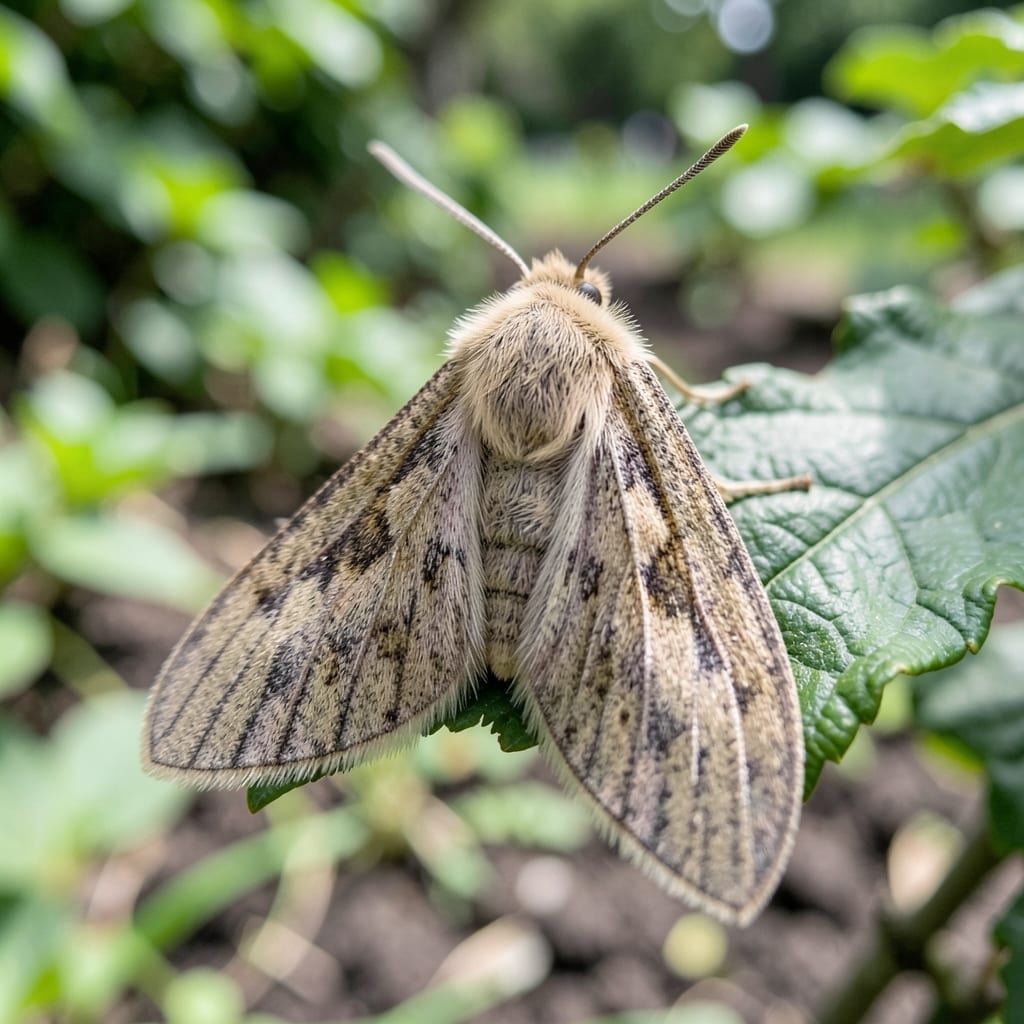
I first noticed the damage at dawn—entire sections of oak leaves stripped bare overnight. Oak tree moths work fast, and by morning, the evidence is impossible to miss.
These pests target oaks specifically, with caterpillars that emerge hungry at night. Left unchecked, they can defoliate a mature tree in 2-3 weeks, stressing the plant and opening it up to disease.
I’ve tested both organic and chemical approaches, and timing is everything. The key is catching them early, before they spread to neighboring trees.
Simple preventive measures can save your oaks without harsh treatments. Here’s what actually works to stop them in their tracks.
The oak tree moth, a significant defoliator, thrives under specific environmental and biological conditions. Understanding these triggers helps in crafting effective prevention strategies.
Oak trees in dense, unmanaged forests or urban areas with poor biodiversity create perfect breeding grounds. These moths prefer Quercus species, especially white and red oaks, where they lay eggs on bark or leaves. High humidity and moderate temperatures (60–80°F) accelerate larval development, leading to rapid infestations.
Healthy oak trees with abundant, nitrogen-rich leaves attract female moths for egg-laying. Over-fertilized urban trees or those in nutrient-dense soil may unintentionally support larger moth populations. Conversely, stressed trees (e.g., drought-affected) can also become targets due to weakened defenses.
Disrupted ecosystems—common in urban or monoculture landscapes—often lack natural predators like birds, parasitic wasps, or bats. Without these checks, oak tree moth populations can explode, leading to widespread defoliation.
These moths synchronize their life cycle with oak leaf emergence. Eggs hatch in spring or early summer, aligning with new foliage growth. If left unchecked, larvae (caterpillars) feed voraciously for 4–6 weeks, causing visible damage before pupating.
Dealing with oak tree moths requires a mix of removal, protection, and prevention. Below are targeted solutions for common issues, along with tips to keep your trees safe long-term.
If you notice leaves disappearing overnight, act fast. Handpick caterpillars (wear gloves!) and drop them into soapy water. For larger infestations, apply Bacillus thuringiensis (Bt), a natural bacteria that targets caterpillars without harming other wildlife. Spray in the evening when moths are active.
Tree banding is a simple yet effective barrier. Wrap a 4-inch-wide strip of burlap or sticky tape around the trunk in late spring to trap climbing larvae. Replace or refresh the band every few weeks.
Encourage natural predators like birds and parasitic wasps by installing birdhouses or planting native flowers nearby. Avoid broad-spectrum pesticides, as they can kill beneficial insects too.
Keep your oak trees vigorous with proper care. Water deeply during dry spells and mulch around the base to retain moisture. Remove fallen leaves and debris in autumn to eliminate overwintering eggs. Prune dead branches to improve airflow and reduce hiding spots for moths.
💡 Pro Tip: Monitor your trees weekly from May to July, the peak moth activity period. Early detection makes control much easier!
Look for skeletonized leaves or complete defoliation, especially on upper branches. Check for small, green caterpillars on the undersides of leaves at dawn or dusk.
Apply treatments in late spring or early summer when caterpillars are small and actively feeding. Evening applications work best since moths are most active then.
Avoid broad-spectrum pesticides—they harm beneficial insects. Instead, use Bt (Bacillus thuringiensis), a natural bacteria that targets only caterpillars.
Healthy oaks typically regrow leaves within 4-6 weeks if defoliation occurs early in the season. Ensure proper watering and mulching to support recovery.