
Beautiful Plants For Your Interior
Beautiful Plants For Your Interior
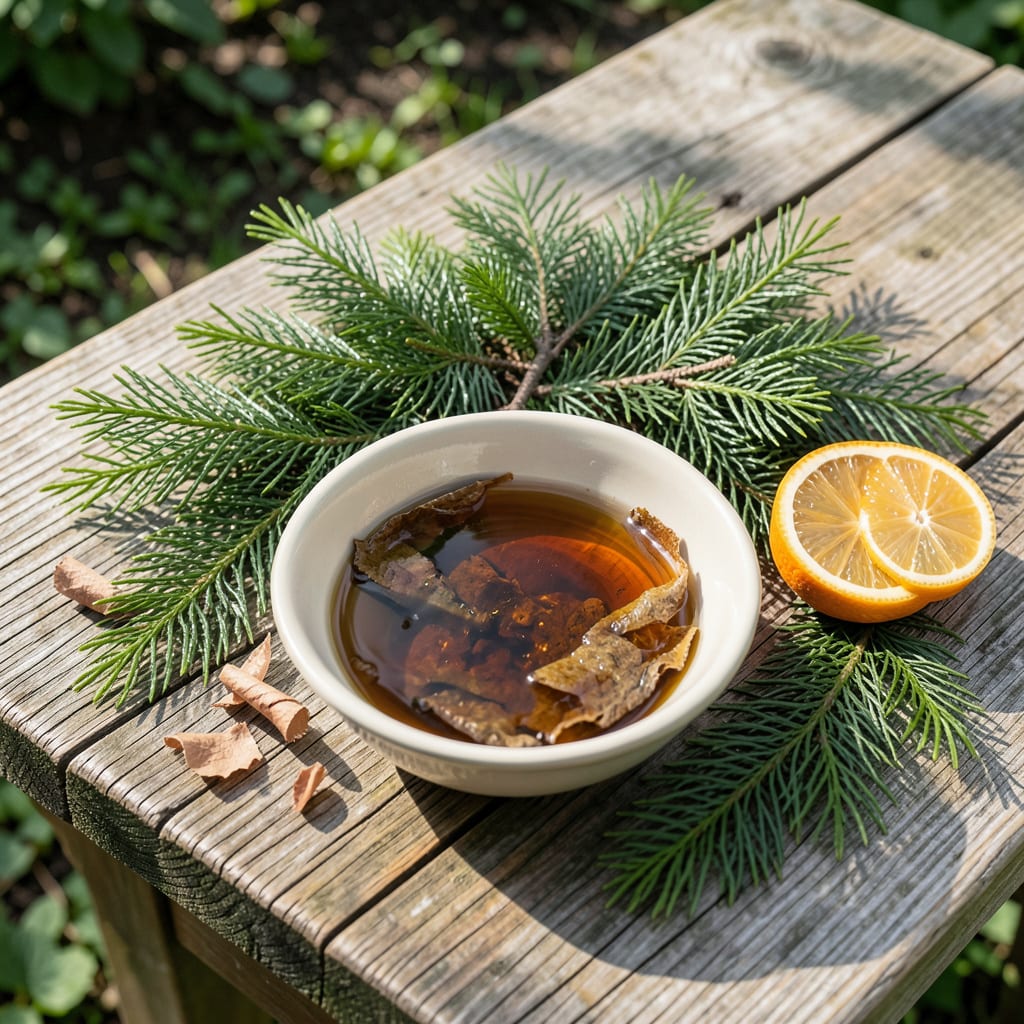
Northern white cedar is my go-to for cold climates. It handles sub-zero temps and still looks stunning year-round with its evergreen foliage.
This tree thrives with minimal fuss—just plant it in moist, well-drained soil and give it room to grow. I’ve seen it reach 15-30 feet with the right care, and it’s deer-resistant to boot.
📚 In This Guide
Here’s the method I use to keep these cold-hardy evergreens thriving through harsh winters and humid summers.
Choose a site with partial to full shade—nature’s understory plant, this cedar scorches in direct afternoon sun. I’ve found it tolerates morning sun beautifully, especially in cooler zones. Test your soil pH; it must be acidic to slightly acidic (4.5–6.5) for proper nutrient uptake.
Amend heavy clay with organic matter like leaf mold or peat moss to improve drainage. These trees despise waterlogged roots. Dig a hole twice as wide as the root ball but no deeper. Planting too deep suffocates the crown and leads to slow decline.
Water deeply at planting, then maintain consistent moisture during the first growing season. I check soil weekly by pressing my finger 2 inches down—if it feels dry, it’s time to water. Mature specimens are drought-tolerant but perform best with 1–1.5 inches of water weekly.
Use a slow drip at the base to avoid wetting the foliage, which can invite fungal issues. Mulch with 2–3 inches of bark chips to retain moisture and keep roots cool, but keep mulch 3 inches away from the trunk to prevent rot.
In exposed sites, wrap young trees in burlap for the first 2–3 winters to shield them from desiccating winds. I’ve lost more cedars to winter burn than to cold temperatures—evergreens transpire all year, and frozen soil prevents water uptake.
Apply an anti-desiccant spray in late fall if your winters are dry and windy. Avoid heavy pruning in fall; new growth won’t harden off before frost and will die back. If browsing deer are a problem, install 8-foot tall fencing—they’ll stretch to reach these tasty branches.
Prune only in early spring before new growth begins, removing dead, diseased, or crossing branches first. I use clean, sharp bypass pruners to make precise cuts just outside a branch collar. Never remove more than 10% of the foliage in a single year—this cedar doesn’t regenerate well from old wood.
Avoid shearing into a formal shape; it creates dense outer growth that shades the interior, leading to dieback. Thin selectively to allow light and air penetration. Step back frequently to assess your work—cedars have a natural, graceful form that’s easy to disrupt.
These insights will help you avoid the most common pitfalls with this hardy evergreen.
Soil pH Critical: The 4.5–6.5 acidic range mentioned in Step 1 isn’t just a suggestion—it’s essential for nutrient uptake. I’ve seen cedars struggle in neutral soil despite perfect watering. Test your soil before planting, and amend with sulfur or peat moss if needed to hit this precise range.
Watering Depth Matters: When checking moisture in Step 2, those 2 inches down are crucial. Surface dryness doesn’t mean the root zone needs water. I use a soil probe to verify moisture at depth, especially during the first growing season when consistent moisture is non-negotiable.
Winter Protection Timing: The 2–3 winters of burlap wrapping in Step 3 should start before the first hard frost. I begin in late fall, right after applying anti-desiccant spray. This gives the tree protection before winter winds can cause irreversible damage through transpiration.
Pruning Discipline: That 10% foliage limit in Step 4 exists for good reason. I learned this the hard way after over-pruning a mature specimen—it took three years to recover its natural shape. Always step back frequently as suggested, and remember that selective thinning beats aggressive shearing every time.
Water young trees deeply once a week during dry spells. Mature cedars are drought-tolerant but benefit from occasional watering in prolonged droughts. Avoid overwatering, as soggy soil can harm roots.
Plant in early spring or fall to allow roots to establish before extreme temperatures. Avoid planting in summer heat or winter freeze for optimal growth.
Bagworms, spider mites, and cedar-quince rust are common issues. Inspect foliage regularly and treat with horticultural oil or fungicides if needed. Early detection is key!
Yes, but choose a large container and dwarf varieties. Ensure good drainage and protect from harsh winds. Container-grown cedars may need more frequent watering.
Brown foliage can indicate drought stress, winter burn, or fungal disease. Check soil moisture, prune damaged branches, and improve air circulation to prevent further issues.
