
Beautiful Plants For Your Interior
Beautiful Plants For Your Interior
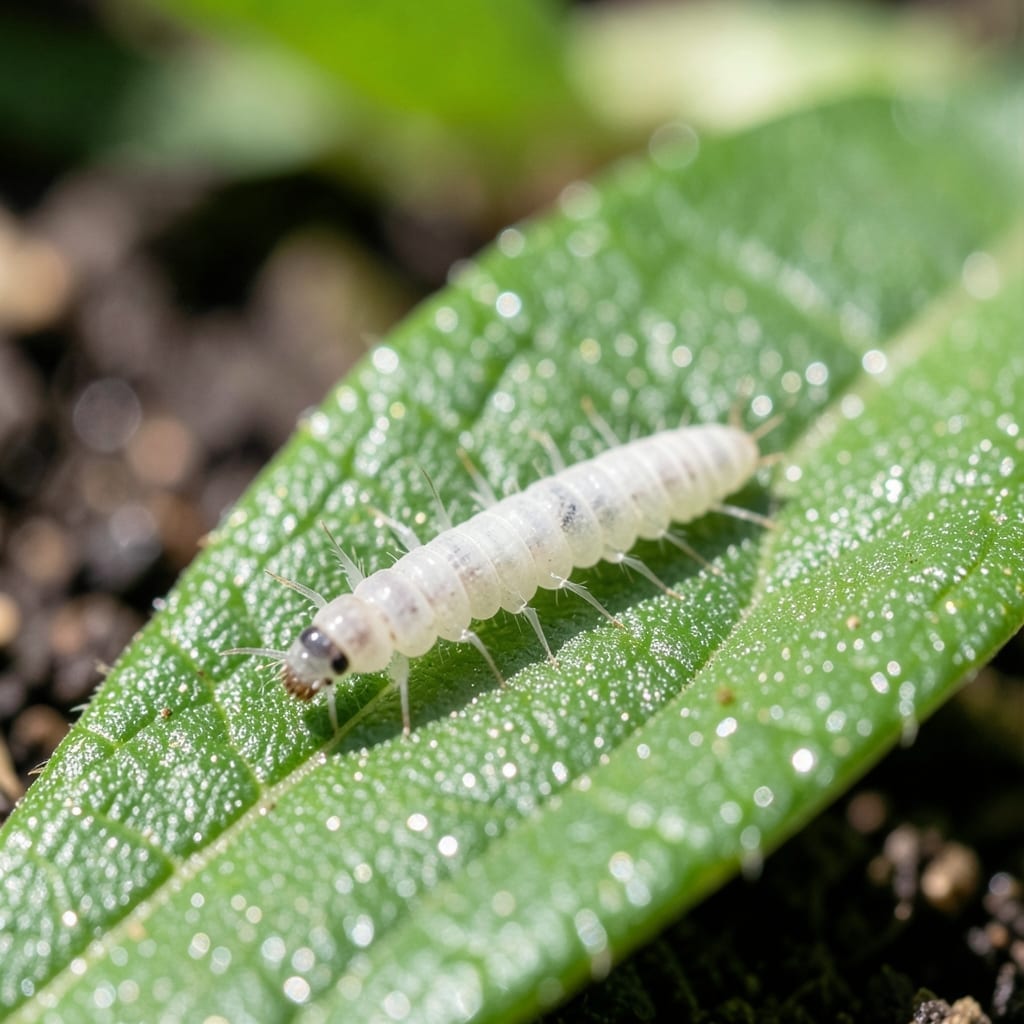
Tiny bites, big frustration. No see ums larvae turn summer evenings into itch fests before you even realize they’re there.
They breed in standing water—even the tiniest puddles in flower pot saucers or clogged gutters. I learned the hard way that these invisible pests multiply fast in moist, shaded spots most backyards accidentally provide.
Preventing them starts with eliminating their nurseries. A 10-minute yard sweep for hidden water sources makes a surprising difference. No fancy equipment, just consistency.
Your patio, porch, and garden can stay bite-free with simple habits. Here’s how to spot and stop their breeding grounds before they hatch.
The presence of no-see-um larvae in your backyard is rarely random. These tiny pests thrive under specific environmental conditions, and understanding their triggers can help you disrupt their life cycle. Below are the primary causes behind their proliferation.
No-see-ums (or Ceratopogonidae) lay their eggs in moist, stagnant water. Even small amounts—like puddles, clogged gutters, or overflowing plant saucers—can become breeding grounds. Larvae hatch within 2–7 days and feed on organic matter in the water. Actionable fix: Eliminate standing water weekly to break their development cycle.
Decaying leaves, grass clippings, and algae provide food for larvae and shelter for adult midges. Wet, shaded areas with rich organic material are prime spots. Actionable fix: Regularly clear yard debris and keep compost bins sealed.
These pests flourish in temperatures between 70–85°F with high humidity. Warmer climates or seasonal spikes accelerate their life cycle, leading to rapid population growth. Actionable fix: Increase airflow with fans or trim dense vegetation to reduce humidity pockets.
Improperly graded yards or clogged drains create persistent dampness, ideal for larvae survival. Even well-maintained lawns can harbor them if water pools after rain. Actionable fix: Install French drains or use sand to fill low-lying areas.
Dealing with no see um larvae means tackling both the existing problem and preventing future infestations. Here’s how to address the most common causes and keep your yard larvae-free.
Larvae thrive in stagnant water, so start by eliminating their breeding grounds. Empty and scrub birdbaths, plant saucers, and kiddie pools weekly. For larger water features like ponds or fountains, use larvicides containing Bacillus thuringiensis israelensis (Bti), a natural bacteria that targets larvae without harming other wildlife. Replace water in animal troughs frequently and ensure proper drainage in low-lying areas.
Dense, damp foliage provides shade and moisture—perfect for larvae. Trim back overgrown bushes, mow tall grass, and remove leaf litter. Focus on areas near water sources or shaded spots where moisture lingers. Keep your yard tidy to reduce hiding spots and discourage adult no see ums from laying eggs.
If your yard has puddles that persist after rain, improve drainage to prevent water from pooling. Use French drains or extend downspouts to direct water away from your home. Fill in low spots with soil or gravel, and consider installing a rain garden to absorb excess water naturally. Proper grading can make a big difference in keeping your yard dry.
By combining these fixes with consistent maintenance, you can break the larvae life cycle and enjoy a bite-free backyard.
They typically hatch within 2–7 days in stagnant water, depending on temperature. Warmer conditions speed up the process, so act fast to eliminate breeding sites before they mature.
No, chlorine kills most larvae, but they may thrive in untreated water features. Always maintain proper chemical levels in pools and hot tubs to prevent infestations.
Bti (Bacillus thuringiensis israelensis) is highly effective and safe for other wildlife. Apply it to standing water weekly to break the life cycle without harsh chemicals.
No, only adult females bite to feed on blood. Larvae stay in water, feeding on organic matter until they mature and emerge as flying pests.