
Beautiful Plants For Your Interior
Beautiful Plants For Your Interior
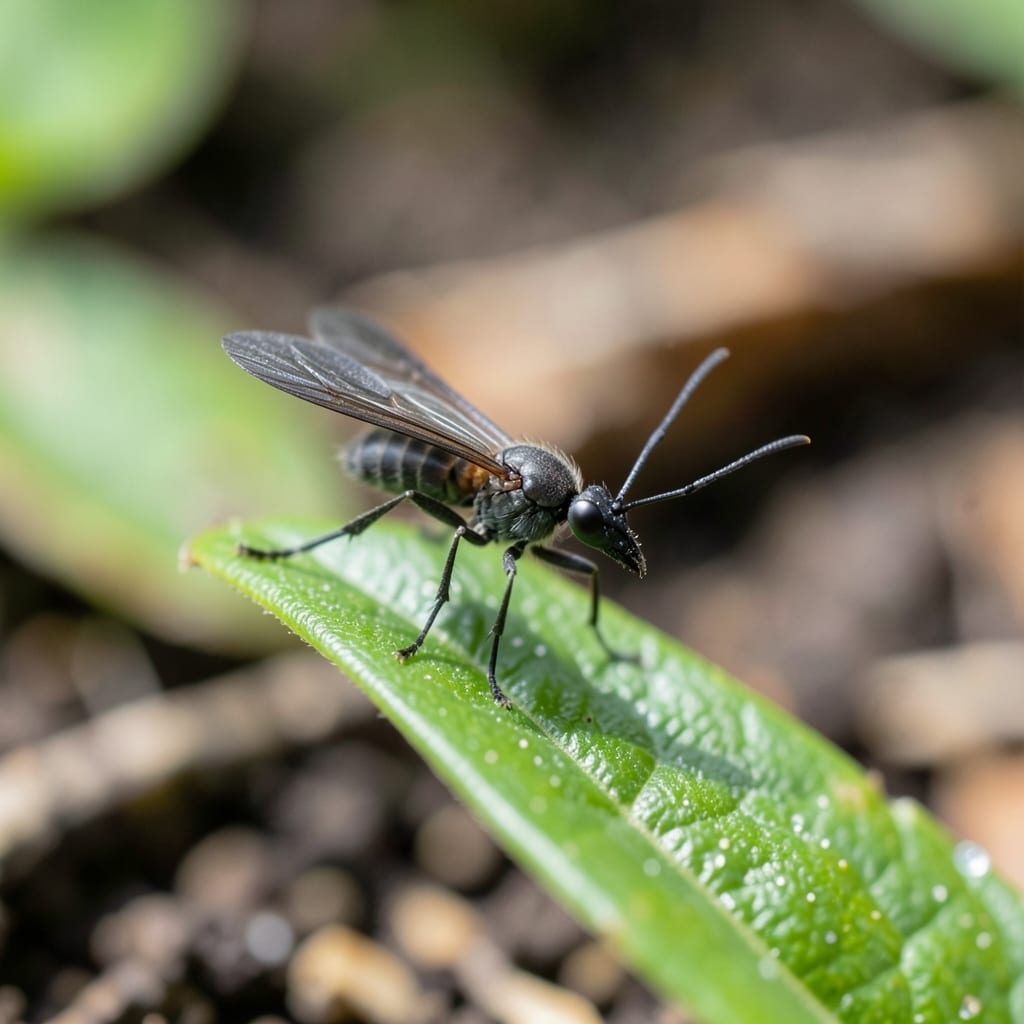
Tiny bites, huge irritation. No see um gnats turn backyard evenings into a battle, but I’ve found natural solutions that actually work.
These pests thrive in moist, shaded areas, so the first step is disrupting their habitat. Simple changes like removing standing water and trimming dense foliage can cut their numbers fast.
Plant-based repellents offer long-lasting relief without harsh chemicals. A few strategic additions to your yard can keep them at bay all season.
No need to surrender your outdoor space. With the right approach, you’ll reclaim your backyard in a few days.
Understanding why no-see-ums (biting midges) thrive in your backyard starts with recognizing the conditions they love. These tiny pests are drawn to specific environmental factors that create the perfect breeding and feeding grounds.
No-see-ums lay their eggs in damp soil, decaying leaves, or shallow water sources like puddles, clogged gutters, and even overwatered potted plants. Stagnant water is their nursery—female midges can deposit up to 400 eggs in a single moist patch. Eliminate these water sources to disrupt their lifecycle.
These gnats thrive in areas with tall grass, thick shrubs, or piles of leaf litter. Such spots provide shelter from wind and sun, which they prefer for resting and breeding. Regularly mow your lawn, trim bushes, and clear debris to reduce their hiding spots.
No-see-ums are most active in temperatures between 70–80°F (21–27°C) with high humidity. Coastal regions, marshes, and areas near lakes are hotspots. If you live in such a climate, focus on airflow improvement (e.g., fans, open spaces) to make your yard less inviting.
These gnats are attracted to carbon dioxide, body heat, and sweat—making humans and pets prime targets. They’re especially active at dawn and dusk, when these signals are strongest. Wearing light-colored, long-sleeved clothing can help reduce bites.
Dealing with no-see-um gnats can be frustrating, but these targeted solutions will help you reclaim your backyard. Below are practical fixes mapped to common causes, along with prevention tips to keep them from returning.
No-see-ums thrive in damp areas. Drain or cover any standing water sources like buckets, plant saucers, or clogged gutters. Refresh birdbaths and pet water bowls weekly. For larger areas like ponds, introduce a small fountain to disrupt the water surface and discourage egg-laying.
Stagnant air attracts these tiny pests. Use fans or outdoor misting systems to create a breeze—they dislike moving air. Position fans near seating areas during peak activity times (dawn and dusk). For patios, consider installing a ceiling fan or portable pedestal fans.
Tall grass, dense shrubs, and leaf litter provide shelter for no-see-ums. Mow lawns regularly and trim bushes to reduce hiding spots. Apply natural repellents like neem oil or cedar mulch around plants. These disrupt their habitat while being safe for gardens.
Since they’re most active at dusk, apply repellents containing oil of lemon eucalyptus or picaridin to exposed skin. For clothing, treat with permethrin (follow label instructions). Burn citronella candles or use a thermacell device for added protection during outdoor gatherings.
💡 Pro Tips for Prevention:
They’re most bothersome at dawn and dusk, when humidity peaks and wind is calm. These are prime feeding times, so plan outdoor activities for midday when possible.
Their saliva contains proteins that trigger allergic reactions in most people. The itching is your immune system’s response to these foreign substances.
Use pet-safe repellents containing citronella or lemongrass. Avoid DEET-based products for animals. Keep pets indoors during peak activity times.
In the US, they’re mostly just a nuisance. However, in tropical regions, some species can carry parasites. Always check with local health authorities if concerned.