
Beautiful Plants For Your Interior
Beautiful Plants For Your Interior
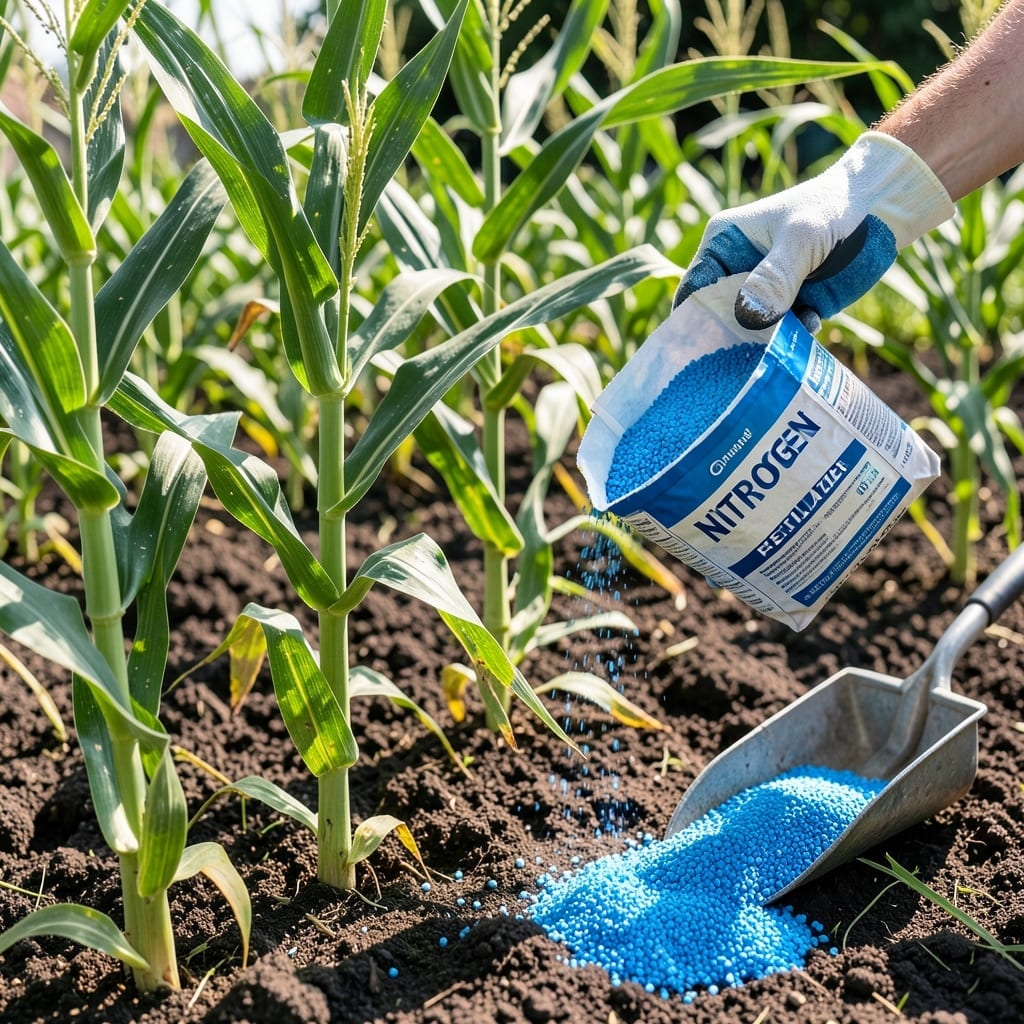
Sweet corn 🌽 demands nitrogen to reach its full potential, but too much or too little can sabotage your harvest. Getting the timing and amount right makes all the difference.
I’ve seen gardens struggle with stunted stalks and weak ears because of poor fertilizer strategies. The good news? A few simple adjustments can transform your crop.
Discover the proven methods for applying nitrogen that will give your Sweet Corn the boost it needs for bigger, sweeter yields this season.
Timing is everything when it comes to nitrogen fertilizer for sweet corn. I’ve learned that applying it at the wrong stages can lead to wasted resources or even stunted growth. The key is to align your fertilizer schedule with the plant’s growth phases.
Sweet corn needs nitrogen most during its early vegetative stage and again when it starts tasseling. Getting this right ensures strong stalks and plump ears at harvest time. ✂️
I always recommend side-dressing for established plants because it delivers nitrogen directly to the root zone. This method is more efficient than broadcast spreading, which can waste fertilizer and encourage weeds.
For side-dressing, I use a handheld spreader or simply sprinkle the fertilizer in a 6-inch band beside the rows. Then, I lightly work it into the soil and water thoroughly to activate the nutrients.
If you’re using liquid nitrogen, dilute it properly and apply it as a soil drench or foliar spray. Avoid getting it on the leaves during hot afternoons to prevent burning.
Remember, soil testing is your best friend. I test my soil every spring to check nitrogen levels and adjust my fertilizer plan accordingly. This prevents over-application, which can lead to weak stalks and poor ear development.
Another tip: Organic matter like compost or well-rotted manure can supplement your nitrogen needs. I mix in compost before planting to give my sweet corn a nutrient-rich start.
Finally, keep an eye on your plants. Yellowing leaves or stunted growth can signal a nitrogen deficiency. If you notice these signs, a quick side-dressing with nitrogen can get your crop back on track. 🌱
By following these steps, you’ll ensure your sweet corn gets the nitrogen it needs at every critical stage, leading to a bountiful harvest of sweet, juicy ears. 🌽
Choosing the right nitrogen fertilizer for your sweet corn can feel overwhelming with so many options. I’ve tested various types and found that each has unique benefits and drawbacks depending on your soil and gardening style.
Whether you prefer quick-release synthetics or slow-release organics, matching the fertilizer to your corn’s needs is crucial for optimal growth and maximum yield. 🌱
| Fertilizer Type | Nitrogen Content | Release Speed | Best For |
|---|---|---|---|
| Urea | 46% | Quick | Fast green-up and growth |
| Ammonium Nitrate | 33% | Quick | Early vegetative stage |
| Blood Meal | 12-13% | Moderate | Organic gardens |
| Fish Emulsion | 5% | Slow | Foliar feeding |
I often use urea for its high nitrogen content and cost-effectiveness. It’s great for a quick boost, but I
Ammonium nitrate is another favorite for its rapid availability, but it’s important to handle it carefully as it can be highly concentrated. I apply it early in the season for the best results.
For organic gardeners, blood meal and fish emulsion are excellent choices. They release nitrogen slowly, which helps prevent over-fertilization and supports long-term soil health. 🌿
Remember, the best fertilizer depends on your soil conditions and growing goals. I always recommend starting with a soil test to determine your nitrogen baseline before choosing a product.