
Beautiful Plants For Your Interior
Beautiful Plants For Your Interior
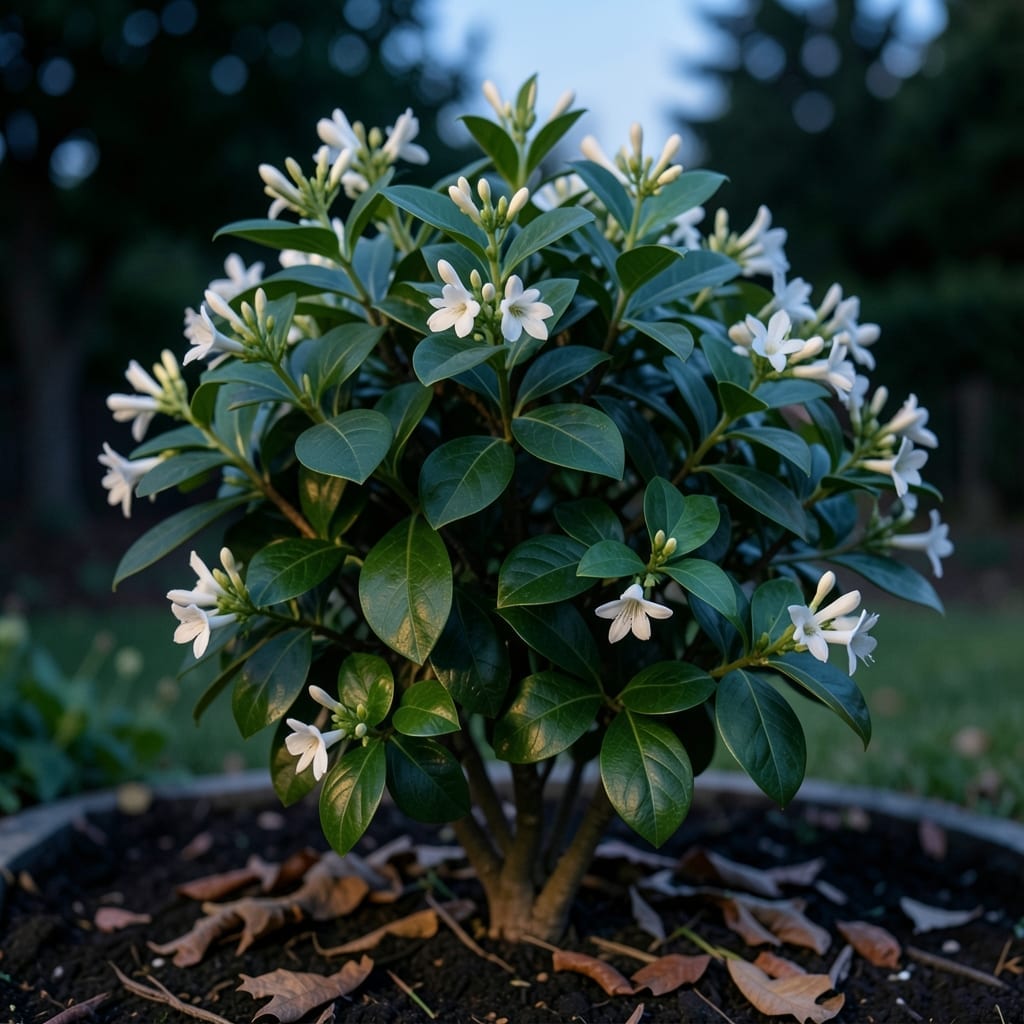
Night blooming jasmine captivates gardeners with its intoxicating evening fragrance, but understanding its mature size is key to proper placement and care.
This fast-growing vine can transform your outdoor space—if you give it the right amount of room. The 🌸 Night Blooming Jasmine is known to reach 10-15 feet tall under ideal conditions.
Whether you’re planting along a fence or training it up a trellis, knowing its growth habits helps you plan effectively. I’ll share how to manage its vigorous expansion.
Discover the space requirements and tips to cultivate this fragrant beauty successfully in your garden.


When I first planted night blooming jasmine, I was amazed at how quickly it grew. Under ideal conditions, this vigorous vine can reach 10-15 feet tall with a 3-6 foot spread. Its rapid growth makes it perfect for covering fences or trellises.
In my experience, the growth rate depends heavily on climate zone and care. Warmer zones like USDA 9-11 see the most aggressive growth, while cooler areas may limit its size. Well-draining soil and full sun encourage maximum height.
| Requirement | Specification |
|---|---|
| Mature Height | 10-15 ft |
| Mature Spread | 3-6 ft |
| Growth Rate | Fast (3-5 ft/year) |
| Ideal Climate | USDA Zones 9-11 |
| Best Support | Trellis or fence |
I’ve noticed that pruning significantly affects the final size. Regular trimming keeps it manageable, while leaving it unpruned allows it to reach its full potential. The first year typically sees 2-3 feet of growth, with more substantial gains in subsequent years.
Soil quality plays a major role too. I always recommend amending the planting area with compost for best results. Poor soil may stunt growth, resulting in a smaller, less vigorous plant.
For container growing, choose a large pot (at least 20 gallons) to accommodate the roots. Even in containers, it can reach 6-8 feet with proper care and support.
The growth habit is twining, meaning it naturally climbs by wrapping around supports. I find it works beautifully on arbors and pergolas, creating a fragrant canopy overhead.
In my garden, I’ve seen temperature impact the size significantly. Hotter summers produce more growth, while cooler springs may slow it down. Consistent watering during dry spells helps maintain steady growth.
Remember that night blooming jasmine is drought-tolerant once established, but regular watering during the first year encourages stronger growth. I water mine deeply once a week during the growing season.
If you’re planting near structures, consider its mature size carefully. I once made the mistake of planting too close to a window, and the vigorous growth quickly became a maintenance challenge. Give it space to shine! 🌿
Managing the vigorous growth of night blooming jasmine starts with strategic pruning. I recommend pruning in early spring before new growth begins. This keeps the vine controllable while encouraging fuller growth.
For trellis training, guide the main stems along the support structure early. I use soft plant ties to secure vines without damaging them. Regularly check and adjust as it grows.
When growing in containers, size control becomes easier. I use a 20-gallon pot with drainage holes. This limits root spread, which naturally restricts the plant’s overall size to about 6-8 feet tall.
For in-ground planting, I create a root barrier using landscape fabric. This prevents aggressive root spread while still allowing the vine to climb. It’s a great solution for small gardens.
I’ve found that reducing water slightly can slow growth when needed. However, don’t overdo it – drought stress can lead to poor blooming. Aim for consistent moisture with good drainage.
Fertilizer choices impact size too. I use a balanced 10-10-10 fertilizer but apply it sparingly. Too much nitrogen promotes leafy growth at the expense of flowers and manageable size.
With these techniques, you can enjoy the fragrant blooms without letting it take over your garden. 🌻