
Beautiful Plants For Your Interior
Beautiful Plants For Your Interior
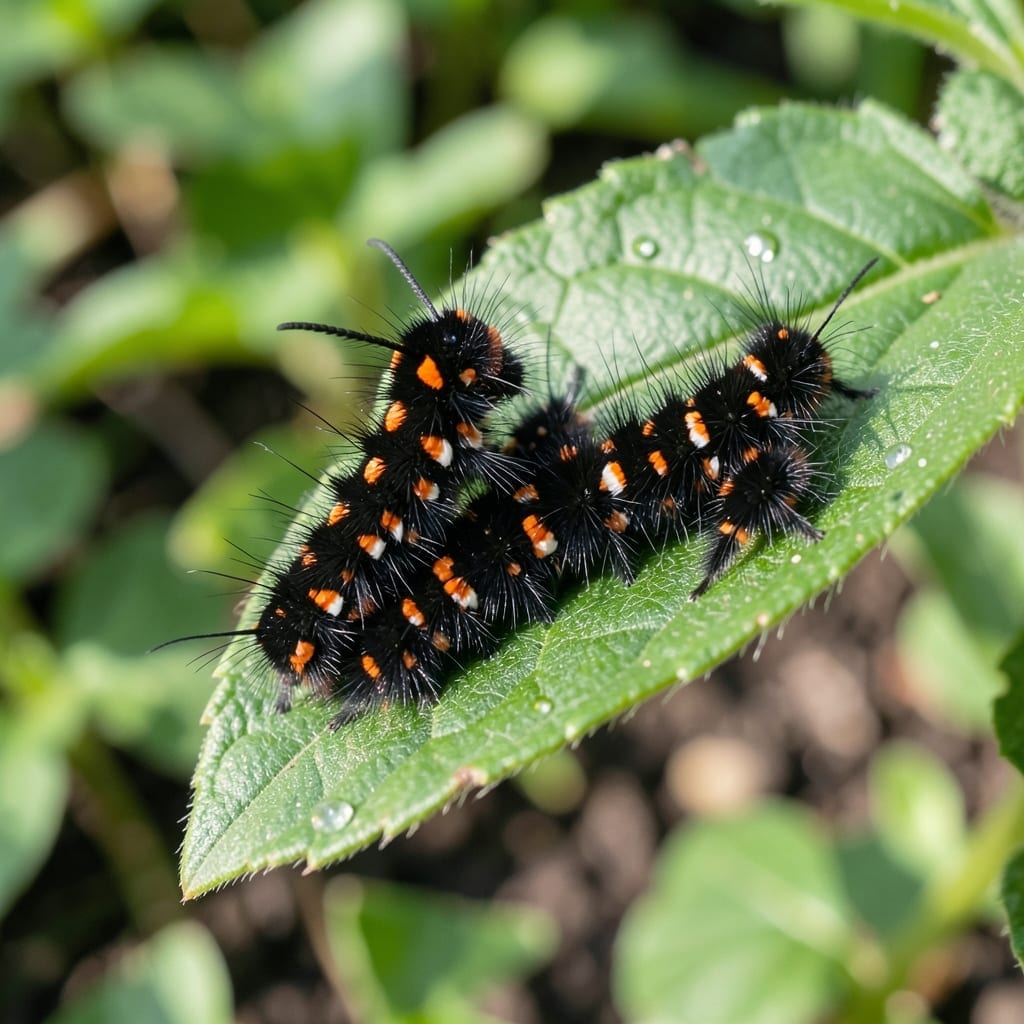
New Jersey gardens face unique caterpillar challenges every season. I’ve battled these leaf-munchers firsthand, and the right approach saves plants without harming pollinators.
Some species are harmless, but others can defoliate entire plants overnight. Proper identification is key—what works for one won’t stop another. Organic solutions often outperform chemicals long-term.
Prevention starts with healthy soil and diverse plantings. Row covers and hand-picking work for small infestations. For larger outbreaks, targeted treatments protect your garden.
Timing matters most. Early intervention stops damage before it spreads. Here’s how to keep your plants thriving.
Understanding why caterpillars thrive in New Jersey gardens starts with recognizing the factors that create ideal conditions for their growth. Below are the primary causes behind their prevalence.
New Jersey’s diverse plant life provides ample food sources for caterpillars. Many native and ornamental plants, such as oak, maple, and milkweed, serve as host plants for species like the Eastern Tent Caterpillar and Monarch Butterfly larvae. These plants release chemicals that attract female moths and butterflies to lay eggs, ensuring a steady supply of food for hatching larvae.
The state’s temperate climate, with warm summers and mild winters, allows caterpillars to complete multiple life cycles per year. Species like the Fall Webworm and Gypsy Moth thrive in these conditions. Additionally, early springs or extended falls can prolong their active feeding periods, increasing their impact on gardens.
Urban and suburban areas in New Jersey often lack sufficient populations of natural predators, such as parasitic wasps, birds, or ground beetles. Pesticide use can further reduce these predator numbers, creating an imbalance that allows caterpillar populations to explode unchecked.
New Jersey’s well-watered gardens and rich soils provide the perfect environment for caterpillar survival. Moist conditions help eggs hatch successfully, while healthy soil supports the growth of host plants. Overwatering or poor drainage can also create damp microclimates that protect caterpillars from desiccation.
Dealing with caterpillars in your New Jersey garden? Here’s how to tackle the most common issues and keep your plants thriving.
For small infestations, the simplest solution is to handpick caterpillars off your plants. Wear gloves and drop them into a bucket of soapy water to ensure they don’t return. Check the undersides of leaves, where they often hide. Prevention tip: Inspect plants regularly, especially after rain, when caterpillars are most active.
Use neem oil or Bacillus thuringiensis (Bt)—a natural bacteria—to target caterpillars without harming beneficial insects. Mix according to package instructions and spray in the early morning or late evening for best results. Prevention tip: Apply a garlic or chili pepper spray weekly to deter future pests.
Protect vulnerable plants with row covers or fine mesh netting to block adult butterflies and moths from laying eggs. Secure the edges tightly to prevent access. Prevention tip: Rotate crops yearly to disrupt caterpillar life cycles.
Attract birds, wasps, and ground beetles—natural caterpillar predators—by planting native flowers and providing water sources. Avoid broad-spectrum pesticides, which can harm these helpful allies. Prevention tip: Leave some leaf litter in your garden to shelter beneficial insects.
Pro tip: 💡 Combine methods for the best results—manual removal plus natural sprays works wonders for stubborn infestations!
Eastern Tent Caterpillars, Gypsy Moths, and Fall Webworms are most prevalent. They often target oak, maple, and fruit trees, so check these plants first.
Early morning or late evening is ideal. Bt and neem oil work best during cooler hours, and caterpillars are most active then.
Birds and parasitic wasps help, but urban gardens often lack enough predators. Combine natural methods with barriers for best results.
Yes! Some species can defoliate plants quickly. Use row covers and inspect leaves daily to catch them early.