
Beautiful Plants For Your Interior
Beautiful Plants For Your Interior
I’ll be real with you: the first time I sprayed neem oil, I nearly fried my poor tomato plants. ✨ That was before I learned the simple tricks that turn this natural pest fighter into a garden game-changer without the leaf burn. Now it’s my go-to for aphids, powdery mildew, and those sneaky spider mites […]
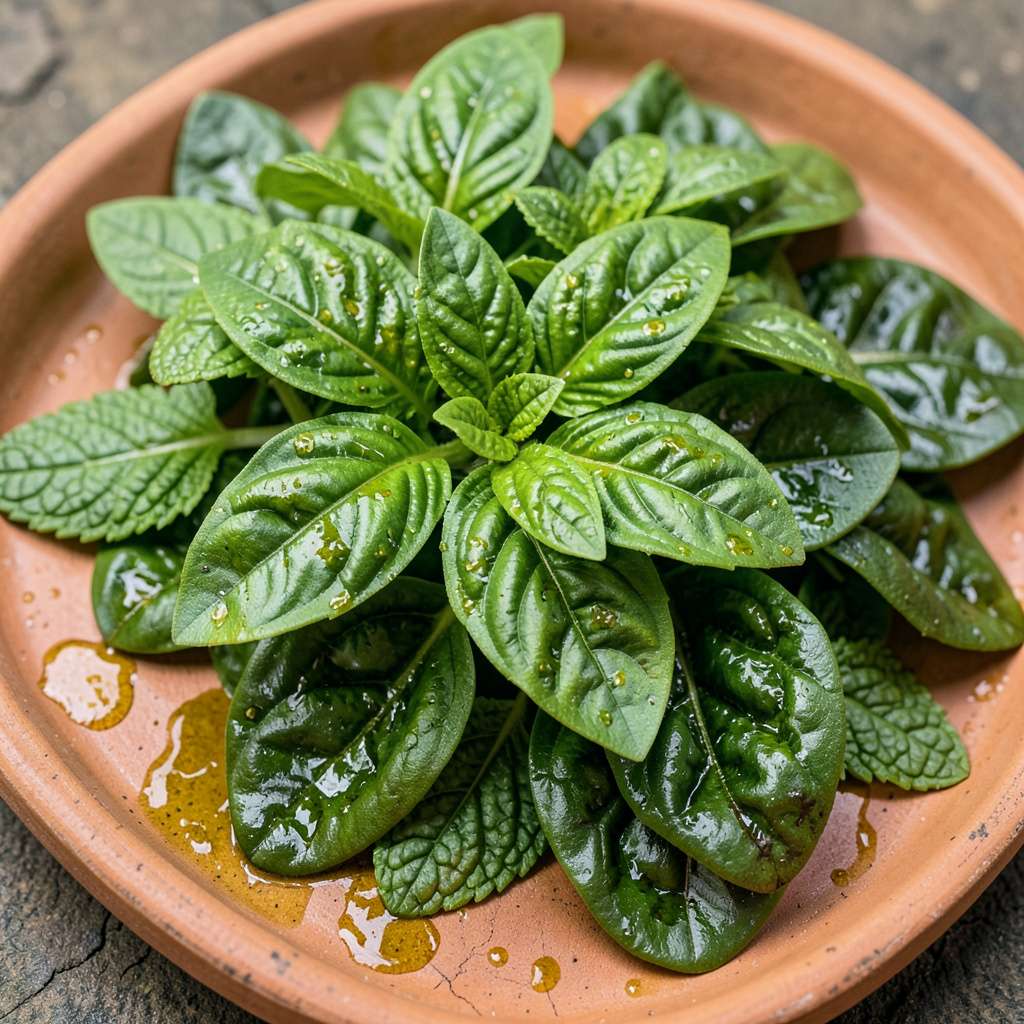
I’ll be real with you: the first time I sprayed neem oil, I nearly fried my poor tomato plants. ✨ That was before I learned the simple tricks that turn this natural pest fighter into a garden game-changer without the leaf burn. Now it’s my go-to for aphids, powdery mildew, and those sneaky spider mites that seem to appear overnight.
Here’s the thing—neem oil isn’t just another spray. When applied correctly, it disrupts pests’ life cycles while actually improving leaf health. My plants recover faster from infestations, and the protective coating helps prevent future problems. The key is in the dilution ratio and timing (hint: never apply in direct sunlight or during heatwaves).
You’ll notice the difference within 24-48 hours as pests start disappearing, but leaves stay vibrant. No chemical smell, no residue that attracts dust, and absolutely no harm to beneficial insects when used properly. I’ve saved everything from delicate ferns to tough squash plants with this method.
Fair warning: not all neem oil is created equal. I’ll show you exactly which type to buy, how to mix it safely, and the application schedule that keeps plants thriving—not just surviving—through the growing season. The best part? One bottle lasts me the entire year.
📚 In This Guide
This method keeps your plants pest-free while protecting delicate foliage—no leaf burn, just healthy growth.
Apply neem oil in the early morning or late evening when temperatures are below 85°F. Direct sunlight combined with oil can scorch leaves, especially on tender plants like tomatoes or basil. I always check the forecast first—rain within 24 hours will wash away your treatment before it works.
Look for calm weather, too. Wind spreads the spray unevenly and wastes product. If you’re working indoors, move plants to a well-ventilated area away from direct light. The goal is even coverage without stressing the plant during its most vulnerable time.
Start with 1 teaspoon of neem oil and ½ teaspoon of mild liquid soap per 1 quart of warm water. The soap acts as an emulsifier—without it, oil and water separate instantly. Shake vigorously in a spray bottle until the mixture looks uniformly cloudy, not layered.
Here’s the thing—neem oil settles fast. I shake my bottle every 30 seconds during application to keep the solution consistent. Test-spray a single leaf first and wait 24 hours to check for adverse reactions before treating the whole plant.
Hold the spray bottle 6-8 inches from the plant and mist until leaves glisten but don’t drip. Focus on undersides where pests hide—aphids and spider mites rarely sit on top. I use a paint stir stick to gently lift branches for complete coverage on dense plants like roses or peppers.
Don’t rush this step. You’ll see pests start to disappear within 48 hours, but full protection requires coating every surface. Reapply every 7-14 days or after heavy rain, as neem oil breaks down quickly in sunlight and water.
Check treated plants daily for 3 days. Healthy leaves stay vibrant green with no spots or curling edges. If you notice browning or crispy patches, the concentration was too strong—dilute by half next time. I keep a spray bottle of plain water handy to rinse off any accidental over-application immediately.
Real talk: Some plants are more sensitive than others. Succulents and ferns often need a 50% weaker solution to start. When in doubt, under-treat first—you can always apply more later, but you can’t undo leaf burn once it happens.
For active infestations, spray every 3-5 days until pests vanish. Preventative applications every 2 weeks keep problems from starting. I mark my calendar with “Neem Day” reminders—consistency matters more than concentration with this natural treatment.
Avoid applying during flowering if bees visit your garden. While neem oil is low-toxicity, it’s best to spray in the evening when pollinators are less active. You’ll get pest control without harming the beneficial insects that keep your garden thriving long-term.
Here’s what we’ve learned from years of treating plants—small details make all the difference.
Timing Secret: That 24-hour test spray window in Step 2 isn’t just caution—it’s your safety net. I once skipped this on my basil plants and ended up with crispy edges. Now I always wait the full 24 hours before treating the whole plant, even if the test leaf looks fine at first glance. Some reactions take time to appear.
The Technique That Changed Everything: When applying in Step 3, don’t just mist the tops. Pests like spider mites and aphids cluster underneath leaves where we can’t see them. I use a wooden skewer to gently lift branches and spray undersides first—this alone cut my pest problems in half. The 6-8 inch distance prevents oversaturation while ensuring coverage.
Temperature Matters: That 85°F cutoff in Step 1 isn’t arbitrary. I learned this after treating my tomatoes at noon during a heatwave—leaves developed white patches overnight. Now I use a simple thermometer and only apply when temps are safely below 85°F, even if it means waiting until after sunset. Early morning works best for me, as dew helps the solution adhere.
Storage Wisdom: Mix only what you’ll use immediately. Neem oil solutions separate within hours, no matter how well you shake them. I keep my concentrated neem oil in a cool, dark cabinet (it degrades in light) and mix fresh batches for each application. The 1 teaspoon per quart ratio in Step 2 is perfect for immediate use—doubling it for “later” just creates waste.
For pest prevention, spray diluted neem oil every 2–3 weeks. If treating an active infestation, reapply every 5–7 days until pests disappear. Avoid overuse—stick to early morning/evening to prevent leaf burn from sun exposure.
Neem oil is safe for most vegetables, herbs, and ornamentals, but avoid using it on delicate leaves (e.g., ferns, impatiens) or newly transplanted seedlings. Always patch-test on a small area first to check for sensitivity.
Apply in the early morning or late afternoon when temperatures are below 90°F (32°C). Direct sunlight + neem oil can cause leaf burn. Cloudy days are ideal!
If pests persist, try:
Rotate methods to prevent resistance.
This usually means overapplication, sun exposure, or undiluted oil. Rinse leaves with water, reduce concentration (1–2 tsp/gallon), and spray only during cooler hours. If burns persist, switch to a softer soap spray.
Neem oil is a game-changer for keeping leaves healthy while tackling pests naturally—without harsh chemicals or plant damage. By diluting it properly, testing small areas first, and applying it at the right time, you’ll protect your plants safely and effectively. 🌿
Ready to give it a try? Start with a small batch on a single plant, observe the results, and scale up as you gain confidence. Your garden (and the environment) will thank you! 🌱✨
