
Beautiful Plants For Your Interior
Beautiful Plants For Your Interior
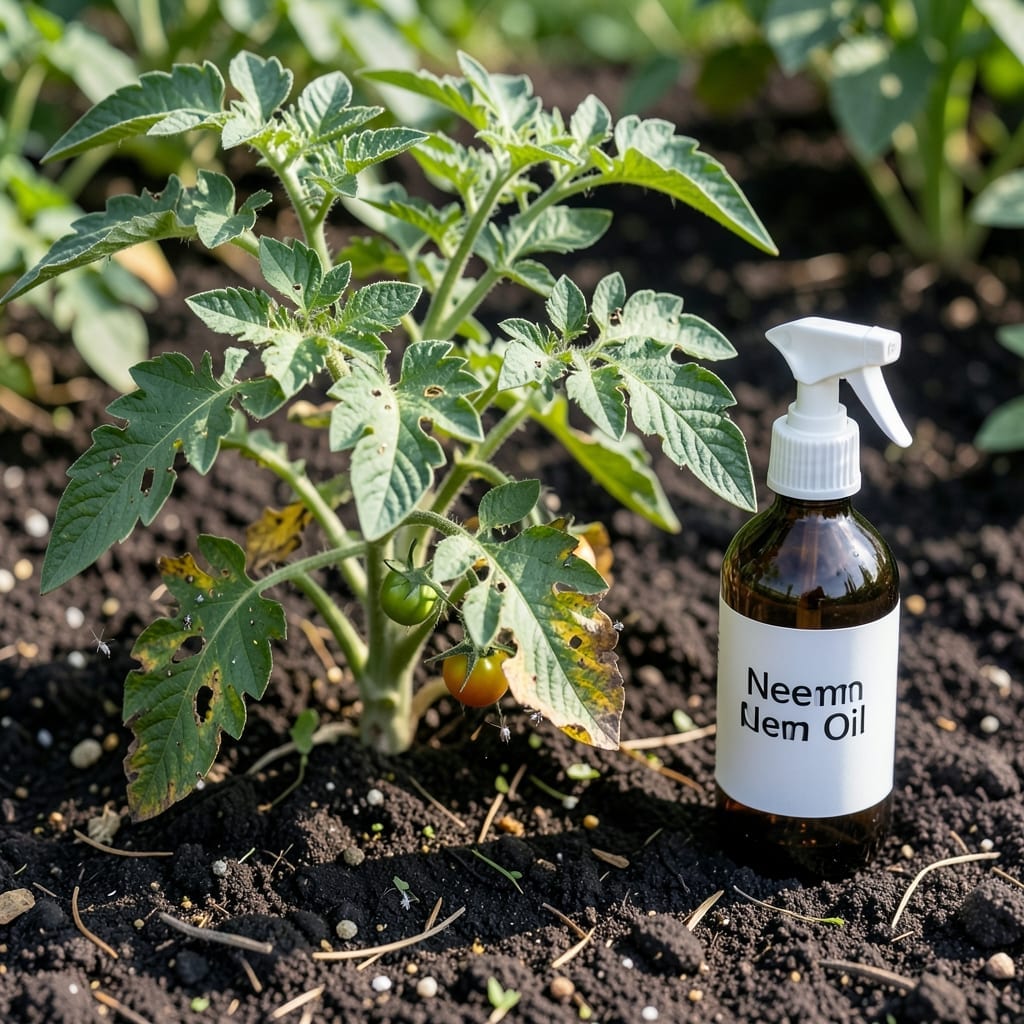
Neem oil should be your garden’s secret weapon, but sometimes it just doesn’t deliver. I’ve been there—spraying diligently only to watch pests thrive and plants struggle.
The issue usually isn’t the oil itself. More often, it’s about timing, dilution, or application. A weak mix won’t work, and too strong can burn your plants. Even the time of day matters—spraying in direct sunlight can backfire.
Once you nail the basics, neem oil becomes the foolproof solution it’s meant to be. Pests flee, fungi retreat, and your garden finally gets the upper hand.
Let’s troubleshoot what’s going wrong and turn neem oil into the reliable ally your plants deserve.
Neem oil is a powerful natural remedy, but sometimes it doesn’t deliver the expected results. Here’s why:
Neem oil is highly concentrated and must be diluted properly to work effectively. Using it undiluted can cause plant burn or repel pests inefficiently. The ideal ratio is 1-2 teaspoons of neem oil per gallon of water, mixed with a mild surfactant (like soap) to help it adhere to surfaces. Too weak, and pests ignore it; too strong, and it harms your plants.
Neem oil works best as a preventative, not a cure. If applied after an infestation is severe, it may struggle to penetrate pest defenses. For best results, spray early in the morning or late evening (to avoid UV breakdown) and reapply every 7-10 days or after rain.
Rain, extreme heat, or direct sunlight can degrade neem oil’s active compounds (like azadirachtin) before they take effect. If you spray before a downpour or during peak sun hours, the oil may wash away or evaporate. Always check the weather and apply in calm, dry conditions.
Overusing neem oil (or any single treatment) can lead to pest resistance. Some insects, like spider mites, adapt over time. Rotate neem oil with other organic controls (e.g., insecticidal soap, diatomaceous earth) to keep pests guessing.
Not all neem oil is created equal. Cold-pressed, 100% pure neem oil retains the most active compounds. Cheap or old oil loses potency. Store it in a cool, dark place and use within 1-2 years for maximum effectiveness.
If your neem oil isn’t delivering the expected results, don’t toss it just yet. The solution often lies in adjusting how you use it. Below are targeted fixes for common issues, along with prevention tips to keep your plants thriving. 🌱
Neem oil must be mixed correctly to work effectively. For foliar sprays, use 1–2 teaspoons of neem oil per gallon of water with ½ teaspoon of mild liquid soap as an emulsifier. If your mix is too weak, pests won’t be deterred; if it’s too strong, it may burn leaves.
Prevention tip: Always test a small area of the plant first. If no damage appears after 24 hours, proceed with full application. 💡
Neem oil breaks down quickly in sunlight and heat. Apply in the early morning or late evening when temperatures are below 90°F (32°C). Avoid spraying in direct sunlight to prevent leaf burn and ensure the oil adheres properly.
Prevention tip: Check the weather forecast—rain can wash away the oil before it takes effect. Reapply every 7–10 days or after rain. ⏰
Neem oil works best on soft-bodied pests like aphids, mites, and whiteflies in their nymph or larval stages. It’s less effective on mature insects with hard shells (e.g., beetles). For stubborn infestations, combine with insecticidal soap or manually remove pests first.
Prevention tip: Inspect plants regularly to catch pests early. Focus on the undersides of leaves where eggs and nymphs hide. 🎯
Neem oil degrades if exposed to light, heat, or air. Store it in a cool, dark place in an airtight container. If your oil smells rancid or has changed color, it’s likely expired. Always use cold-pressed, 100% pure neem oil for best results.
Prevention tip: Buy in small quantities and use within 1–2 years. ✨
Reapply every 7-10 days for prevention. For active infestations, spray every 3-5 days until pests are gone. Always reapply after rain.
Some plants have thicker leaves that repel the oil. Test on a small area first, and add ½ tsp soap per gallon to help it stick.
Yes, but avoid strong chemicals. It pairs well with insecticidal soap or horticultural oil. Never mix with sulfur or copper fungicides.
Early morning or late evening is ideal. Avoid midday heat or direct sunlight to prevent leaf burn and oil breakdown.