
Beautiful Plants For Your Interior
Beautiful Plants For Your Interior
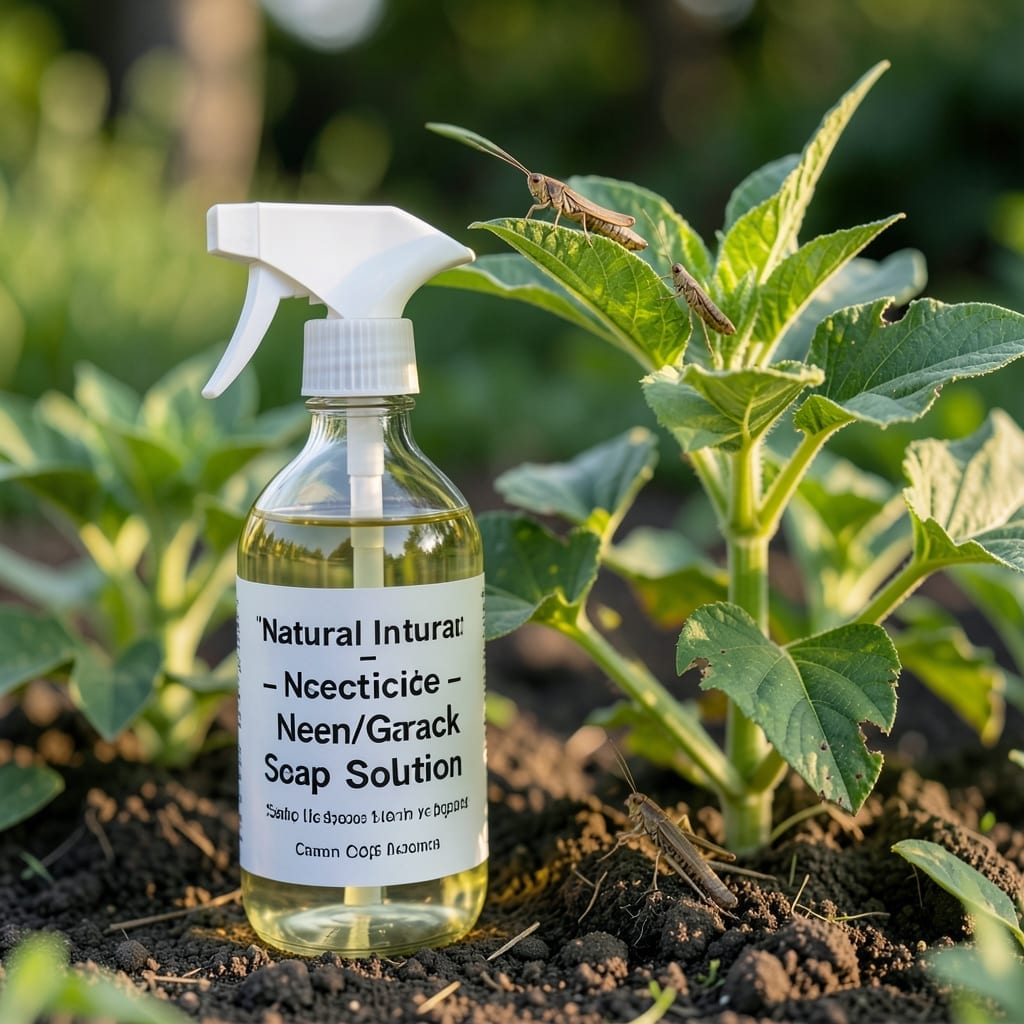
Grasshoppers turned my garden into a salad bar overnight. I needed a solution that worked without harming bees or butterflies.
Homemade sprays using neem oil or garlic work surprisingly well. These natural insecticides disrupt feeding without the harsh chemicals of store-bought options.
Application timing matters most—early morning or late evening catches them active but avoids harming pollinators. A weekly spray schedule keeps populations in check.
Safe for vegetables, flowers, and the beneficial insects that keep your garden thriving. The plants will thank you.
Understanding why grasshoppers invade your garden is the first step to controlling them naturally. These pests thrive under specific conditions, often linked to environmental and ecological factors. Below are the primary causes behind their sudden population booms.
Grasshoppers are attracted to lush, dense vegetation, particularly grasses, clover, and broadleaf plants. Gardens with unchecked weed growth or monoculture crops (like alfalfa or wheat) provide an ideal food source, encouraging rapid reproduction. Actionable tip: Diversify plantings and remove weeds regularly to disrupt their habitat.
Grasshopper eggs hatch in warm, arid conditions (75–90°F), and drought-like environments reduce their natural predators (e.g., birds, parasitic wasps). Prolonged dry spells accelerate their life cycle, leading to larger swarms. Actionable tip: Maintain soil moisture with mulch and water deeply to deter egg-laying females.
Modern farming and gardening often eliminate grasshoppers’ natural enemies—ground beetles, spiders, and insectivorous birds—through pesticide use or habitat destruction. Without these checks, populations explode. Actionable tip: Plant native flowers to attract predator insects and install birdhouses.
Degraded soil lacks beneficial microbes and fungi that suppress grasshopper eggs. Over-tilled or chemically treated soil weakens plant resilience, making them easier targets. Actionable tip: Enrich soil with compost and avoid synthetic fertilizers to boost natural defenses.
Grasshoppers can wreak havoc on your plants, but natural solutions can restore balance without harsh chemicals. Here’s how to tackle the issue based on the root causes, along with prevention tips to keep your garden thriving.
Fix: Introduce natural predators like birds, toads, or beneficial insects such as praying mantises and ladybugs. Create a welcoming habitat with birdhouses, water sources, and native plants. For a quick reduction, apply a neem oil spray (mix 2 tbsp neem oil + 1 tsp dish soap + 1 quart water) to plants every 3–5 days.
Prevention: 💡 Rotate crops yearly to disrupt grasshopper life cycles and avoid planting large monocultures, which attract swarms.
Fix: Plant grasshopper-repellent species like garlic, marigolds, or cilantro around vulnerable plants. These act as a natural barrier. You can also make a hot pepper spray by blending 2–3 hot peppers with water, straining, and spraying on leaves (reapply after rain).
Prevention: 🌡️ Interplant flowers and herbs with vegetables to mask the scent of their favorite meals.
Fix: Remove grasshopper egg pods (laid in undisturbed soil) by tilling the garden in late summer or early fall. Clear away plant debris and weeds where they hide. Apply kaolin clay as a protective film on leaves—it deters feeding without harming the plant.
Prevention: ✨ Keep your garden tidy and mulch with cedar chips, which repel insects naturally.
Fix: Grasshoppers thrive in hot, dry areas. Use diatomaceous earth (food-grade) in problem zones—it dehydrates them on contact. Reapply after rain or watering.
Prevention: 🎯 Maintain consistent moisture with drip irrigation and shade vulnerable plants during peak heat.
Apply neem oil or garlic sprays every 3-5 days for active infestations. For prevention, a weekly application works well. Always reapply after rain.
No, natural options like kaolin clay or diatomaceous earth target grasshoppers specifically. Spray in early morning or late evening to protect pollinators.
Mix 2 tablespoons neem oil, 1 teaspoon dish soap, and 1 quart water. This disrupts feeding and repels pests effectively. Shake well before each use.
Yes, all natural methods listed are safe for edible plants. Just rinse produce thoroughly before eating.