
Beautiful Plants For Your Interior
Beautiful Plants For Your Interior
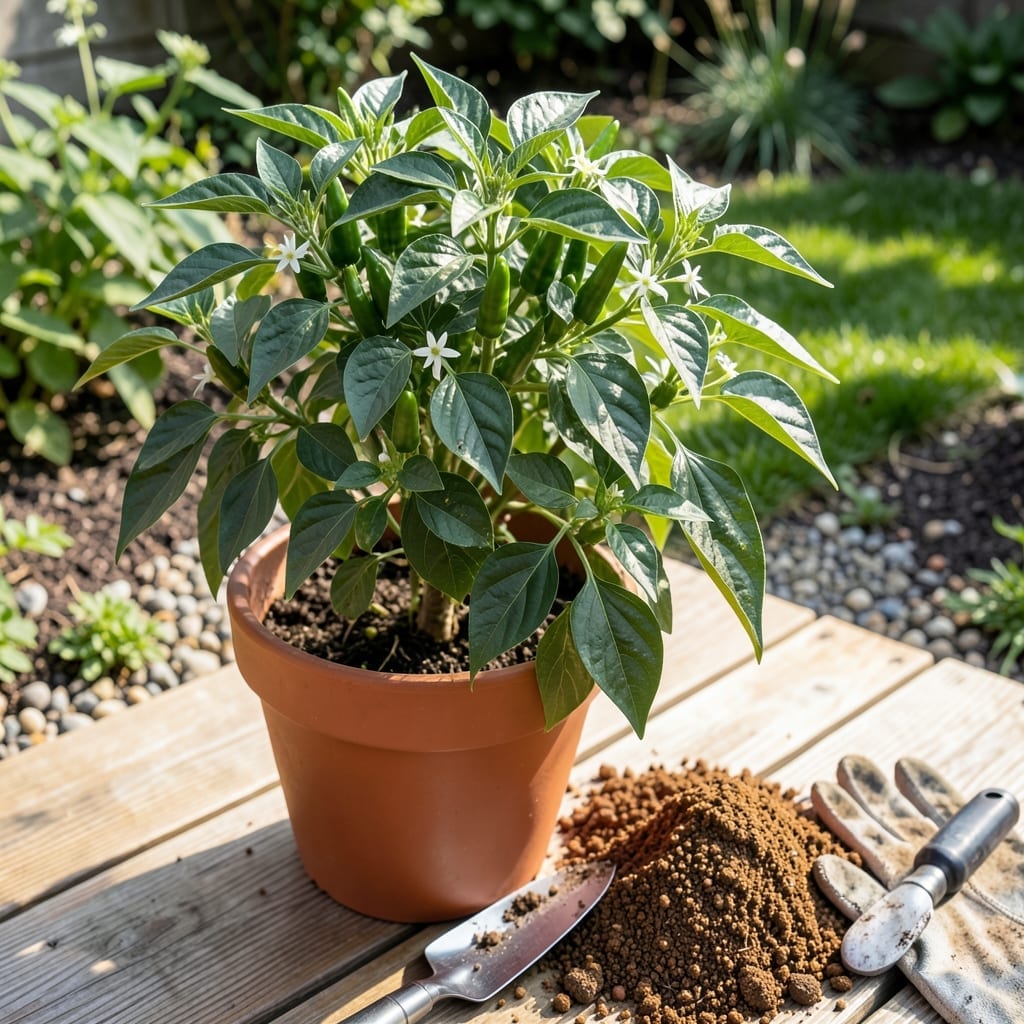
Imagine harvesting bigger, hotter chillies from your garden without relying on chemical fertilizers. With the right natural approach, your 🌶️ Chilli plants can thrive and produce an abundant yield.
I’ve discovered that simple, homemade solutions often outperform store-bought options. These methods feed your plants the nutrients they crave while keeping your garden eco-friendly.
From kitchen scraps to garden waste, you’ll be surprised at what can become plant food. The best part? These fertilizers are gentle on your Chilli plants and your wallet.
Discover how to transform everyday items into powerful, natural boosters for your Chilli plants. Your garden—and your taste buds—will thank you.
I’ve found that chilli plants respond best to organic fertilizers because they provide slow-release nutrients without chemical burn. Homemade options are cost-effective and ensure your peppers get balanced nourishment for robust growth.
From my experience, kitchen scraps and garden waste can be transformed into powerful plant food. These natural fertilizers improve soil health and encourage beneficial microbes that help roots absorb nutrients better.
Compost tea is my go-to for quick nutrient absorption. I steep well-aged compost in water for 24-48 hours, then strain and use it as a foliar spray or soil drench. It’s packed with beneficial bacteria that boost plant immunity.
For banana peel fertilizer, I dry the peels, grind them into powder, and mix into the soil. This adds potassium which is crucial for flowering and fruiting. Alternatively, you can bury fresh peels near the roots for slow decomposition.
I always save eggshells for their calcium content. I crush them into fine pieces and work them into the soil at planting time. This prevents blossom end rot and strengthens cell walls for healthier peppers.
Wood ash from untreated wood is a great potassium source and helps raise soil pH. I sprinkle a thin layer around the base of my chilli plants, but I avoid overdoing it since too much can alkalize the soil excessively.
When I need a fast-acting nitrogen boost, I turn to fish emulsion. It’s smelly but highly effective for promoting lush foliage. I dilute it with water and apply it every 2-3 weeks during the growing season.
Remember, balance is key with natural fertilizers. I rotate between these options to ensure my chilli plants get a full spectrum of nutrients. Always monitor your plants’ response and adjust accordingly for the best results.
Using these homemade fertilizers not only saves money but also reduces chemical runoff into the environment. Plus, I’ve noticed my chilli plants produce more vibrant and flavorful peppers with organic feeding.
🌱
Timing is everything when feeding chilli plants with natural fertilizers. I always start with a light application at planting, then switch to a balanced mix during vegetative growth.
Once flower buds appear, I shift to phosphorus-rich options like banana peel tea to boost fruiting. This staged approach prevents nutrient burn while maximizing yield.
For application methods, I prefer soil drenching for root uptake and foliar sprays for quick absorption. Always apply in the early morning to reduce evaporation.
Avoid fertilizing dry soil—water plants first to prevent root shock. I also stop feeding 2 weeks before harvest to let the plant focus on ripening peppers.
Over-fertilizing is a common mistake. If you see leaf burn or excessive foliage with few peppers, cut back immediately. Your chillies will thank you with a bountiful harvest 🌱
Remember, consistency beats intensity. Small, regular feedings work better than occasional heavy doses for chilli plants. This approach builds strong, productive plants naturally.