
Beautiful Plants For Your Interior
Beautiful Plants For Your Interior
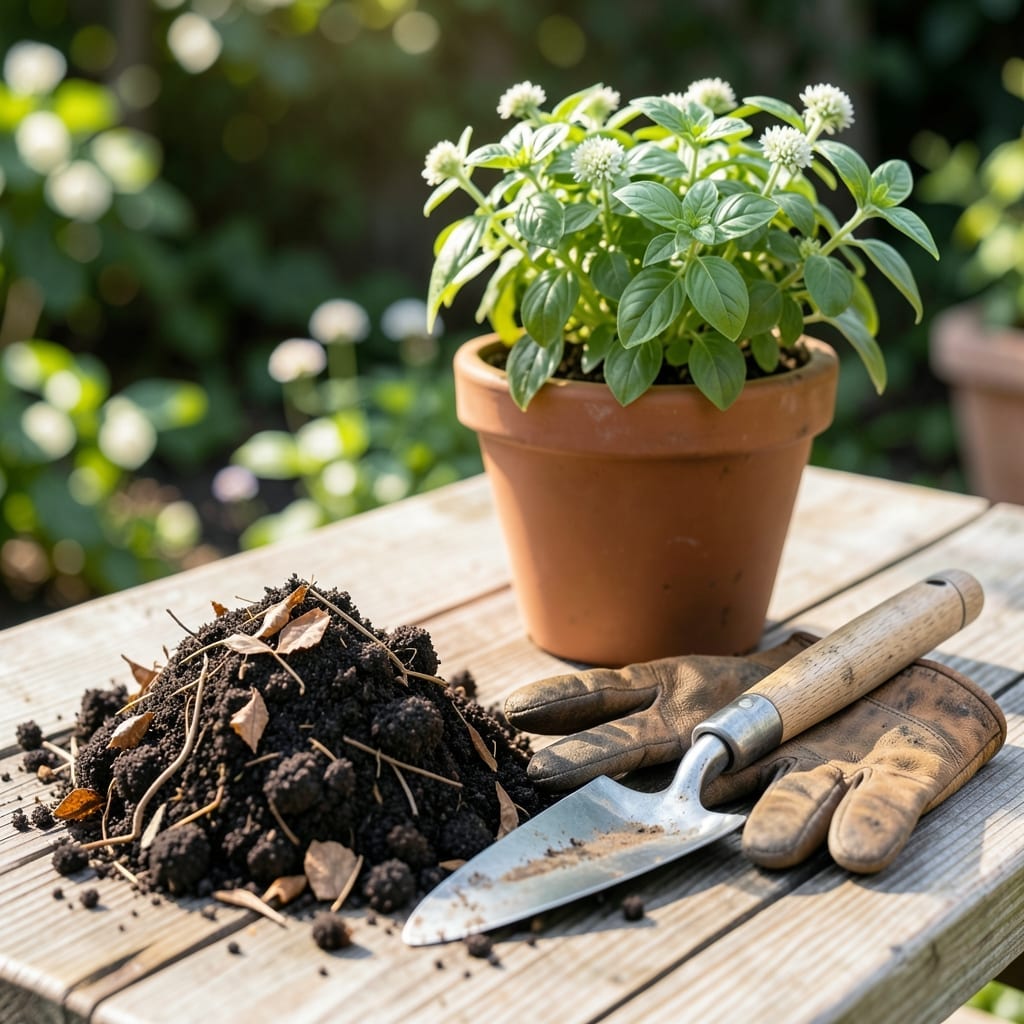
I remember the first time I saw my 🌿 Basil plants truly thrive – their leaves were bigger, greener, and more fragrant than ever before. It wasn’t magic, just the right natural boost at the right time.
If you’ve ever struggled with weak growth or lackluster flavor in your Basil, the solution might be simpler than you think. Natural fertilizers can transform your plants without harsh chemicals.
I’ve tested countless homemade recipes and methods to find what works best for Basil. The difference in growth and flavor was undeniable.
Discover how to give your Basil the nutrients it craves using everyday kitchen scraps and garden materials. Your plants will thank you with lush growth and abundant harvests.
I’ve found that natural fertilizers work wonders for basil plants, giving them a lush, vibrant growth without harsh chemicals. Using organic materials like compost or kitchen scraps is a game-changer for eco-conscious gardeners.
My go-to homemade fertilizers include compost tea, banana peel fertilizer, and eggshell calcium boosts. Each provides essential nutrients that basil craves for strong stems and rich foliage. 🌱
| Fertilizer Type | Key Nutrients | Application Method |
| Compost Tea | Nitrogen, Phosphorus, Potassium | Water plants with tea every 2-3 weeks |
| Banana Peel Fertilizer | Potassium, Calcium | Bury peels near roots or steep in water |
| Eggshell Calcium | Calcium, Magnesium | Crush shells, mix into soil |
| Seaweed Fertilizer | Trace Minerals, Growth Hormones | Dilute liquid seaweed, spray leaves |
For compost tea, I steep well-aged compost in water for 24-48 hours, then strain and use it to water my basil. This delivers a balanced nutrient boost that promotes healthy growth without overloading the soil.
Banana peels are another favorite—they’re packed with potassium, which helps basil develop strong roots. I either bury small pieces near the base or soak them in water for 3 days to create a nutrient-rich liquid.
Eggshells provide a slow-release calcium source, preventing issues like blossom end rot. I rinse, dry, and crush them into a fine powder before mixing into the soil. This method ensures long-term nutrient availability for my plants.
I also love using seaweed fertilizer for its trace minerals and natural growth hormones. A diluted seaweed solution, applied as a foliar spray, gives basil an extra vitality kick during the growing season.
To maximize results, I rotate these fertilizers every 4-6 weeks. This prevents nutrient imbalances and keeps my basil thriving. Remember, less is more—over-fertilizing can harm your plants more than help them.
For container-grown basil, I mix compost into the potting soil before planting. This ensures a nutrient-rich foundation from the start. Then, I supplement with liquid fertilizers as the plant grows.
Always observe your basil’s response. Yellow leaves may indicate over-fertilization, while slow growth suggests a need for more nutrients. Adjust your approach based on what your plants tell you. 🌿
Timing is everything when feeding basil with natural fertilizers. I’ve found that early morning applications allow plants to absorb nutrients before the heat of the day sets in.
For best results, apply your homemade fertilizer every 4-6 weeks during the growing season. This schedule prevents overfeeding while ensuring consistent growth.
I always water my basil plants thoroughly before applying fertilizer. This helps prevent root burn and ensures even distribution of nutrients in the soil.
Remember that liquid fertilizers like compost tea should be applied directly to the soil, not the leaves. Foliar feeding can lead to fungal issues in humid conditions.
For container-grown basil, I reduce the frequency slightly since potted plants often need less fertilizer than those in the ground. Watch for yellowing leaves as a sign of overfeeding.
Finally, always observe your plants’ response. If growth slows or leaves turn brown, adjust your fertilizer mix or frequency accordingly. 🌱