
Beautiful Plants For Your Interior
Beautiful Plants For Your Interior
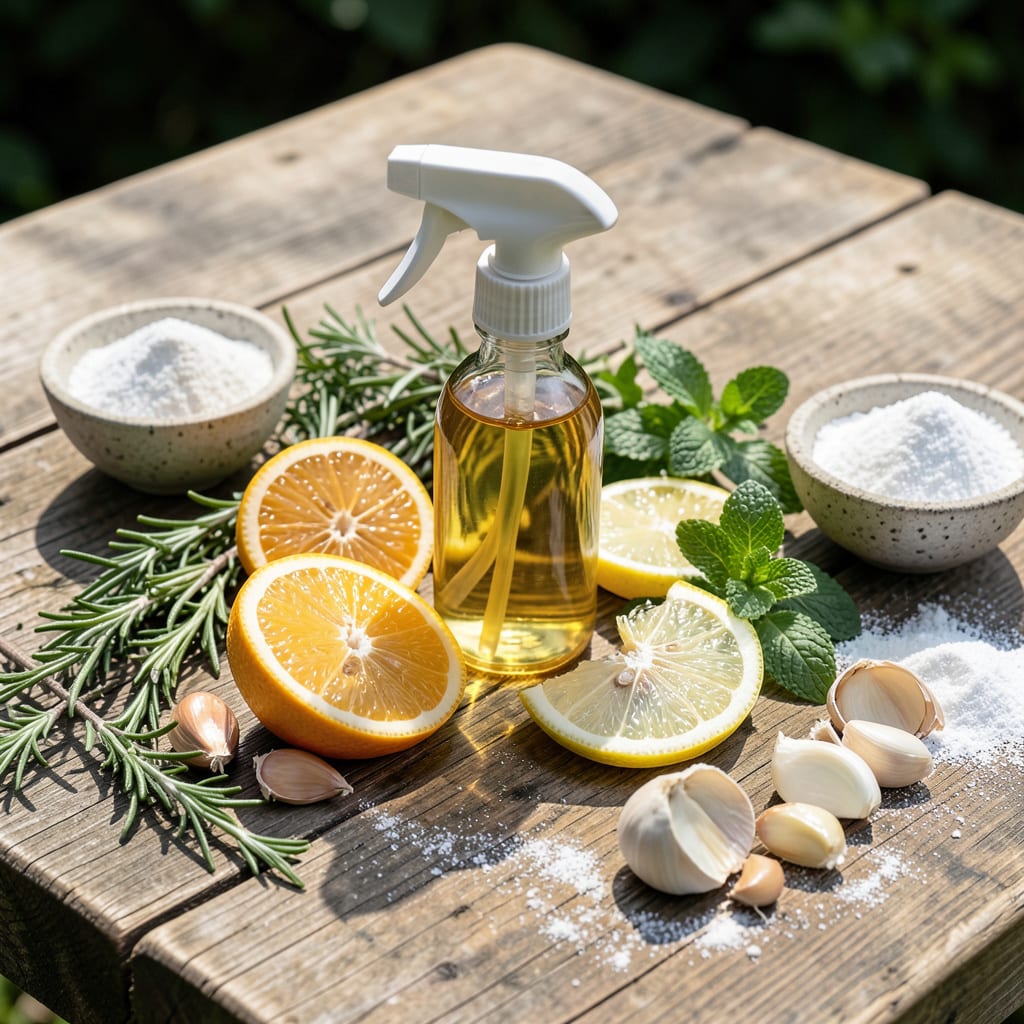
Black widows in the garden don’t have to mean war with chemicals. I’ve kept my space spider-free for years using nothing but nature’s own defense system.
Certain plants like mint, lavender, and lemongrass emit scents that send these pests packing. A few strategic additions and regular cleanup remove their hiding spots—simple and effective without the harsh stuff.
📚 In This Guide
Easier than you think—these targeted steps create a barrier they simply won’t cross.
Begin with a thorough inspection of your home’s exterior, focusing on dark, undisturbed areas like woodpiles, under eaves, and around outdoor storage. Black widows seek out quiet corners to build their webs, so pay special attention to cracks in the foundation, gaps around pipes, and spaces under doors.
Seal all entry points with caulk or weatherstripping. Even small openings—1/4 inch or wider—can provide access. I’ve found that a bead of silicone caulk works best for larger gaps, while foam weatherstripping is ideal for sealing under doors. This step alone can reduce indoor sightings by as much as 80%.
Diatomaceous earth (DE) is a natural, non-toxic powder that dehydrates arachnids on contact. Use food-grade DE and apply a thin layer—about 1/16 inch thick—in areas where black widows are likely to travel, such as along baseboards, under appliances, and in garages or sheds.
Reapply the DE after rain or heavy humidity, as moisture reduces its effectiveness. I reapply every 2-3 weeks during peak spider season (spring through fall). Avoid inhaling the dust by wearing a mask during application, and keep it away from pets or children, as it can irritate lungs if inhaled in large quantities.
Create a spray using peppermint, tea tree, or eucalyptus oil—black widows are highly sensitive to these scents. Mix 10-15 drops of essential oil with 1 cup of water and a teaspoon of dish soap (to help the oil disperse). Shake well before each use and spray directly onto webs, corners, and potential entry points.
I’ve found that spraying in the early morning or late evening—when spiders are most active—yields the best results. Reapply the spray every 7-10 days or after cleaning, as the scent fades over time. Test the spray on a small, hidden area first to ensure it doesn’t stain surfaces.
Black widows thrive in cluttered, undisturbed spaces, so reducing hiding spots is critical. Remove piles of firewood, leaf litter, and stored items from around your home’s perimeter. Keep storage areas—like garages, basements, and attics—organized and free of unnecessary items.
Regularly dust and vacuum indoor corners, under furniture, and behind appliances. I use a vacuum with a HEPA filter to ensure any eggs or spiders are fully contained. This not only removes existing spiders but also prevents new ones from settling in. Aim to clean these areas at least once every 2 weeks during active seasons.
Small details make the difference between a spider-free home and a recurring problem.
The Inspection Advantage: In Step 1, don’t overlook the obvious—check under outdoor furniture, behind potted plants, and along fence lines. Black widows prefer undisturbed areas, so move items and inspect thoroughly. I’ve found more webs under stored garden tools than anywhere else.
DE Application Precision: For Step 2, that 1/16 inch thick layer of food-grade DE is critical. Too much creates clumps that spiders avoid; too little won’t work. Use a fine mesh sieve to distribute it evenly along baseboards and in corners. Reapplying every 2-3 weeks during active seasons ensures continuous protection.
Spray Timing Strategy: In Step 3, spraying in early morning or late evening aligns with spider activity patterns. The 10-15 drops of essential oil per 1 cup of water ratio is strong enough to deter but not so strong it leaves residue. Always test on hidden surfaces first—some finishes can react unexpectedly.
Cleaning Discipline: Step 4’s 2-week cleaning schedule during active seasons isn’t arbitrary. Black widows lay eggs in hidden corners, and a HEPA filter vacuum ensures you remove both spiders and their egg sacs. Don’t skip under appliances or behind heavy furniture—these are prime nesting spots.
Reapply every 2-4 weeks or after heavy rain, as natural oils and scents fade over time. Consistency is key to keeping these pests away!
Most natural options like peppermint or citrus oils are safe, but always test a small area first. Avoid direct contact with pets or children to prevent irritation.
Essential oils (peppermint, tea tree, eucalyptus), diatomaceous earth, and vinegar solutions are highly effective. These disrupt spiders’ senses without harsh chemicals.
Check for proper application—spiders avoid strong scents, so ensure coverage in cracks and corners. Also, reapply frequently and combine methods for best results.
