
Beautiful Plants For Your Interior
Beautiful Plants For Your Interior
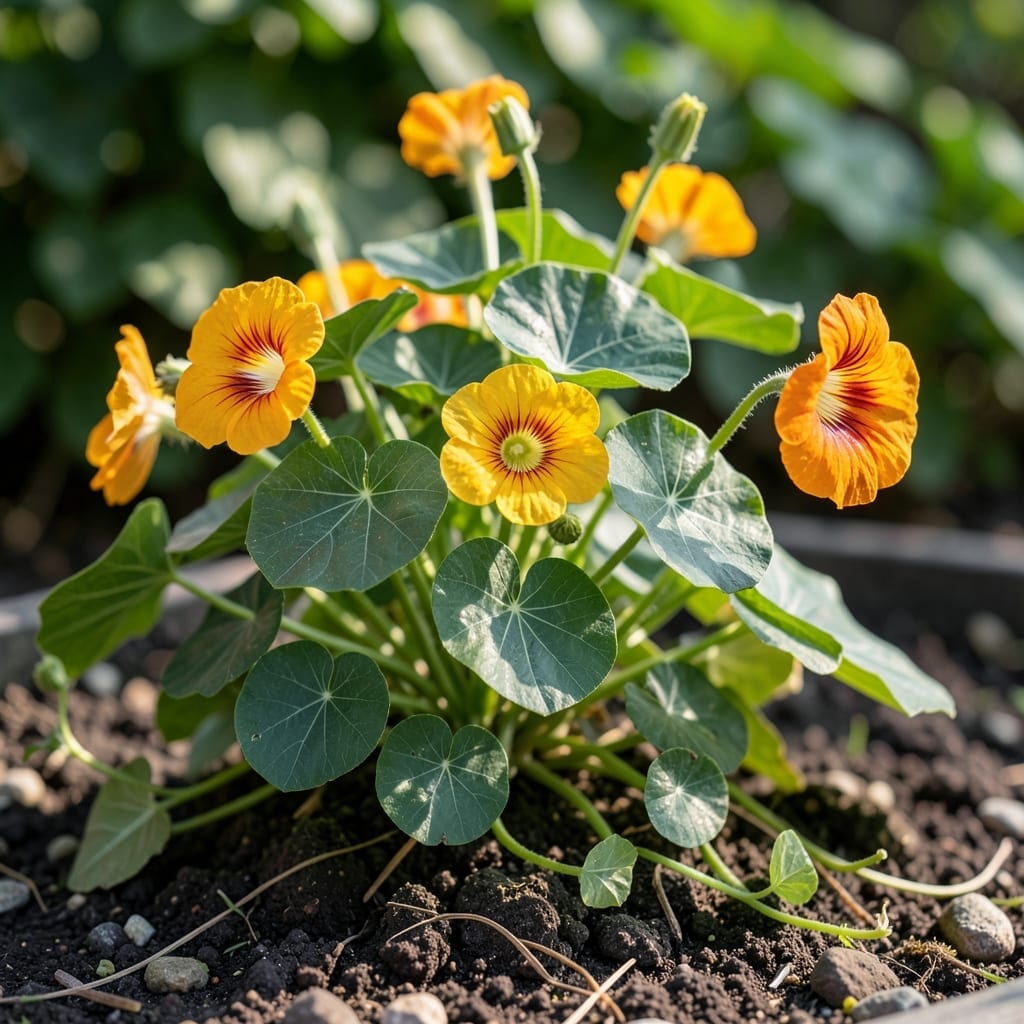
Nasturtiums are beloved for their vibrant blooms and edible leaves, but their ability to withstand temperature swings often surprises gardeners. The 🌼 Nasturtium can handle more than you might expect.
Whether you’re in USDA zone 2-11 or just starting your gardening journey, understanding these plants’ resilience is the key to success. Their adaptability makes them a favorite for many growers.
From spring planting through fall harvests, these flowers thrive where others might struggle. I’ll show you how to leverage their hardiness for your garden’s benefit.
Discover which varieties can survive frost and how to protect them when temperatures drop. Your Nasturtiums might just outlast your expectations.
I’ve found that nasturtiums thrive best in moderate climates, but they can surprise you with their adaptability. These vibrant plants prefer 60–75°F for optimal growth, though they’ll tolerate a bit more heat if given enough water. ☀️
What really impresses me is their cold tolerance. Most varieties can handle light frosts down to 25–30°F, though prolonged freezes will damage them. They’re not true perennials in cold zones, but they often self-seed and return the next spring. 🌱
One thing I’ve noticed is that trailing varieties like ‘Alaska’ tend to be more heat-resistant than bush types. They sprawl across the ground, which helps shade their roots and keep them cooler in peak summer. ✂️
In cooler climates, I recommend starting nasturtium seeds indoors about 4–6 weeks before the last frost. This gives them a head start, so they’re already established when transplanted outside after the danger of frost has passed.
If you’re in a region with unpredictable springs, consider planting cold-hardy varieties like ‘Empress of India’ or ‘Jewel Mix’. These can tolerate light frosts better than most, making them ideal for early or late-season gardens.
I always keep an eye on the weather forecast in fall. If a hard frost is predicted, I’ll cover my nasturtiums with a frost cloth or even an old bedsheet to give them a few extra degrees of protection.
Remember, while nasturtiums are resilient, they’re not invincible. Proper spacing ensures good air circulation, which helps prevent fungal diseases that can set in during damp, cool spells. 🌿
Finally, don’t forget that healthy soil plays a huge role in temperature tolerance. I amend my beds with compost every season to improve drainage and fertility, which gives my nasturtiums the best chance to thrive, no matter the weather.
If you’re gardening in a region with cold snaps or early frosts, not all nasturtiums will survive. I’ve found that some varieties handle chilly temperatures far better than others, making them ideal for cooler climates. 🌼
These hardy cultivars can tolerate light frosts and even bounce back after a cold spell. Selecting the right type ensures your garden stays vibrant longer into the season.
1. Alaska Mix
This compact variety thrives in USDA zones 2-11 and handles light frost well. Its variegated leaves add a splash of color even in cooler weather.
2. Empress of India
Deep red blooms and dark foliage make this a standout. It’s cold-tolerant and perfect for container gardening in unpredictable climates.
3. Jewel Mix
A classic choice for cool seasons, this mix offers vibrant colors and strong stems that resist light frost damage.
4. Gleam Mix
Known for its semi-double flowers, this variety recovers quickly from cold stress and blooms prolifically in mild frost conditions.
5. Peach Melba
This unique creamy-yellow variety is surprisingly hardy. It prefers cooler temps and can handle light freezes better than most.
For best results, I recommend planting these varieties in well-draining soil and providing morning sun to help them recover from cold nights. 🌱
Remember, even the hardiest nasturtiums need protection from hard frosts. Use row covers or mulch to shield them during extreme cold spells.
With the right care, these cold-hardy nasturtiums will reward you with colorful blooms and lush foliage well into the fall. ✂️