
Beautiful Plants For Your Interior
Beautiful Plants For Your Interior
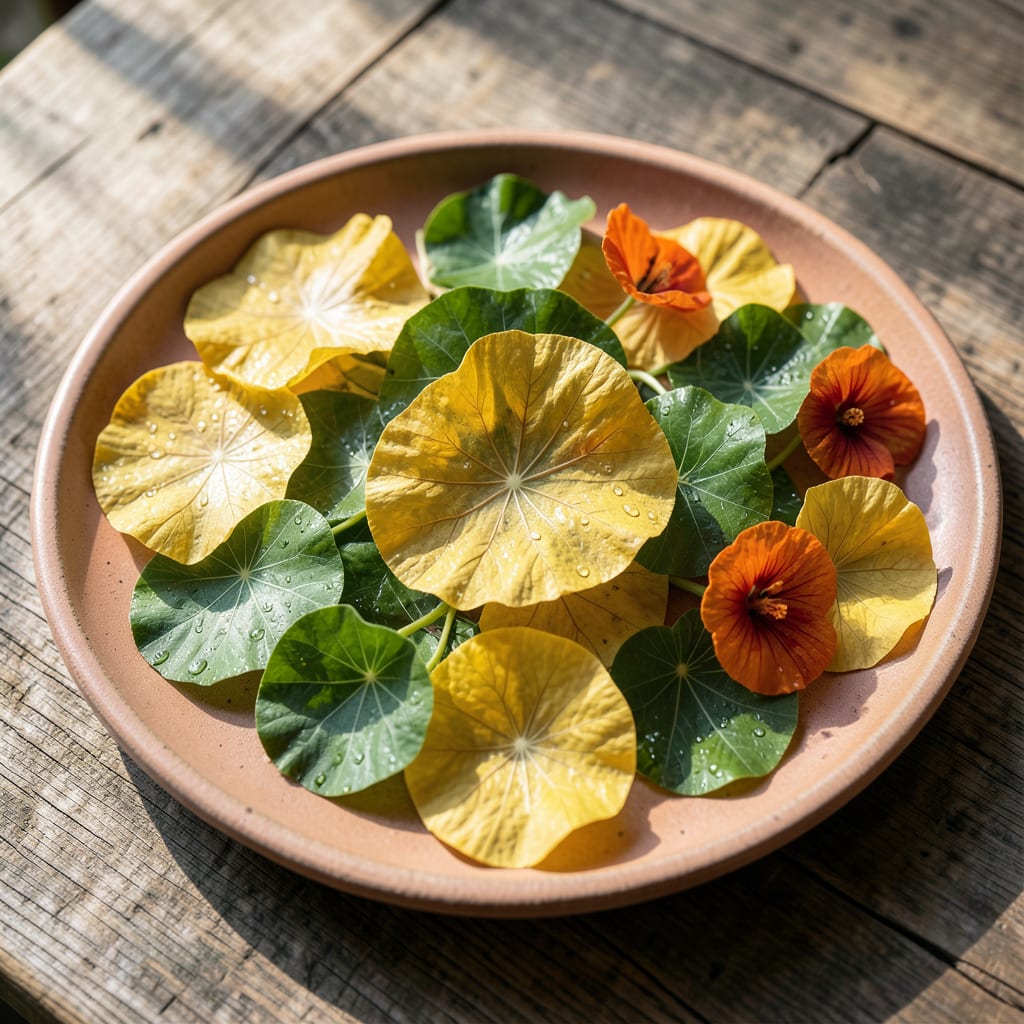
Yellow leaves on your nasturtiums aren’t just ugly—they’re a distress signal. I spotted this same issue last summer and traced it back to three common culprits that most gardeners overlook.
Here’s the thing—it’s rarely just one problem. Overwatering, nitrogen deficiency, and spider mites all cause that telltale yellowing, but each leaves slightly different clues if you know where to look.
Once you identify the real issue, fixing it takes less than a week in most cases. The plants bounce back fast when you address the root cause rather than just treating symptoms.
Works for container plants, garden beds, and even hanging baskets. Let’s diagnose and solve this together.
Yellowing leaves on your nasturtiums are often a cry for help. Here’s what’s likely going wrong under the surface:
Nasturtiums need a balanced diet. A lack of nitrogen (essential for chlorophyll) causes uniform yellowing, often starting with older leaves. Iron or magnesium deficiencies trigger interveinal chlorosis—yellowing between leaf veins. Test your soil; if pH is too high (above 7.0), iron becomes unavailable. Action: Use a balanced, water-soluble fertilizer or amend soil with compost for a nutrient boost.
Soggy roots suffocate, preventing nutrient uptake. Nasturtiums prefer moderately moist soil—overwatering leads to root rot, stunting growth and turning leaves yellow. Check soil before watering: stick your finger 1 inch deep; if it’s dry, water. Action: Ensure pots have drainage holes or improve garden soil with perlite.
While nasturtiums love sun, intense heat (above 90°F) can scorch leaves, causing yellow or brown patches. Action: Provide afternoon shade in hot climates or mulch to retain moisture and cool roots.
Aphids and spider mites suck sap, draining leaves of chlorophyll. Look for sticky residue (aphids) or fine webbing (mites). Action: Blast pests off with water or apply neem oil weekly until they’re gone.
If your nasturtium leaves are turning yellow, here are practical fixes for the most common causes:
Yellow leaves often signal a lack of nitrogen or iron. Fix: Apply a balanced, water-soluble fertilizer (10-10-10) every 2–3 weeks. For iron deficiency, use chelated iron spray or work compost into the soil. Prevention: Test soil annually and amend with organic matter before planting. 💡 Pro tip: Avoid over-fertilizing—nasturtiums thrive in poorer soils!
Soggy roots cause yellowing and wilting. Fix: Let the top 1–2 inches of soil dry out between waterings. If the pot lacks drainage holes, repot immediately into well-draining soil. Prevention: Use containers with drainage holes and a mix of potting soil and perlite. 🌧️ Pro tip: Water in the morning to allow excess moisture to evaporate.
Scorched leaves (brown edges) or pale yellow leaves (low light) need adjustment. Fix: Move potted nasturtiums to a spot with partial sun (4–6 hours daily). For garden beds, add shade cloth during peak afternoon heat. Prevention: Plant in a location with dappled sunlight or morning sun only. ☀️
Aphids and spider mites suck sap, causing yellow stippling. Fix: Blast pests off with water or apply insecticidal soap. For severe cases, use neem oil. Prevention: Inspect leaves weekly and encourage beneficial insects like ladybugs. 🐞 Pro tip: Companion plant with marigolds to deter pests naturally.
Yellow spots with brown edges may indicate disease. Fix: Remove affected leaves and avoid overhead watering. Apply a copper fungicide for fungal infections. Prevention: Space plants 12 inches apart for airflow and water at the base. 🍃
Water when the top 1-2 inches of soil feel dry. Typically, 2-3 times per week works, but adjust for heat or rain. Overwatering causes yellowing faster than drought.
Severely yellow leaves won’t recover, but new growth will if you fix the issue. Remove damaged leaves to redirect energy to healthy ones.
A balanced 10-10-10 liquid fertilizer works for most cases. For iron deficiency, use chelated iron. Avoid high-nitrogen mixes—they promote leaves over flowers.
Pests like aphids create yellow stippling (tiny dots). Whole leaves yellowing usually signals water, nutrient, or drainage issues. Check undersides for bugs.
