
Beautiful Plants For Your Interior
Beautiful Plants For Your Interior
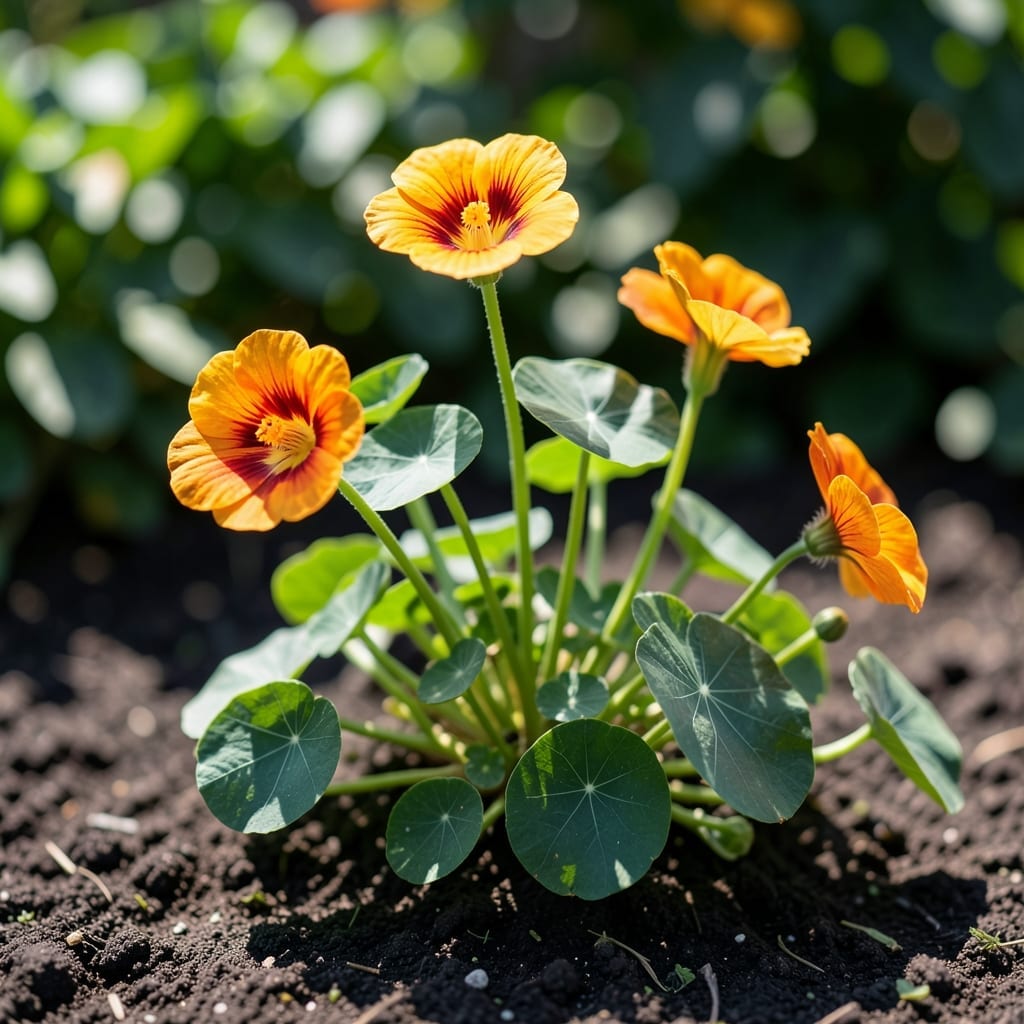
There’s something magical about watching 🌼 Nasturtium transform from humble seeds to vibrant blooms. As a gardener, I know that anticipation of the first flowers can feel endless.
What many don’t realize is that bloom time isn’t just about patience – it’s about understanding your plant’s needs. The right conditions can make all the difference in when those colorful petals finally appear.
From planting time to daily care, every choice you make affects your Nasturtium’s flowering schedule. I’ve learned that small adjustments in how we nurture these plants can lead to earlier and more abundant blooms.
Let me share what I’ve discovered about getting the most from your Nasturtiums, so you can enjoy their beauty for as long as possible this season.
I love how nasturtiums bring cheerful colors to gardens with minimal effort. Their bloom time typically starts in late spring and continues through fall frost, depending on your region.
In warmer climates, you may see first flowers as early as April or May. Cooler areas often experience delayed blooming until June or July, as these plants prefer warmer soil to thrive.
| Factor | Impact on Bloom Time |
|---|---|
| Climate | Warmer areas bloom earlier and longer |
| Planting Time | Post-frost planting yields summer blooms |
| Sunlight | Full sun (6+ hours) maximizes flowers |
| Soil | Poor soil often boosts blooms over foliage |
| Variety | Dwarf types may bloom 2-3 weeks earlier |
Annual nasturtiums will complete their lifecycle in one season, blooming 50-70 days after planting. Perennial varieties in frost-free zones may rebloom annually from the same roots.
I’ve noticed that early planting after the last frost gives the best results. In USDA zones 6-8, this usually means mid-April to early May. The soil should be at least 55°F for optimal germination.
If you’re in a cooler climate, consider starting seeds indoors 4-6 weeks before the last frost date. This head start can lead to earlier blooms once transplanted outside.
Water stress can actually encourage more flowers on nasturtiums. I recommend reducing water slightly once plants are established, but avoid complete drought which stunts growth.
For container gardeners, ensure pots have good drainage and are placed in full sun. Nasturtiums in shady spots tend to produce more leaves than flowers, delaying bloom time.
I always deadhead spent blooms to encourage continuous flowering. This simple practice can extend your nasturtium bloom time by several weeks, especially in mild autumns.
Remember that over-fertilizing, especially with nitrogen-rich products, can lead to lush foliage at the expense of fewer flowers. A balanced 5-10-10 fertilizer used sparingly works best.☀️
I love how nasturtiums reward gardeners with vibrant blooms all season long. To get earlier flowers, I always start seeds indoors 4-6 weeks before the last frost date.
Once planted outside, I ensure they get full sun and well-draining soil. Nasturtiums thrive in poor soil, so I avoid over-fertilizing, which can delay blooming.
I’ve found that deadheading is the secret to prolonged blooming. By removing faded flowers regularly, I encourage the plant to produce more blooms rather than seeds.
Watering practices also make a difference. I water at the base of the plant in the morning, keeping the foliage dry to prevent disease and promote healthy growth.
For container gardening, I use pots with good drainage and a light potting mix. Nasturtiums in containers may need more frequent watering but will bloom just as abundantly.
Finally, I avoid overcrowding. Proper spacing of 10-12 inches allows for good air circulation, which helps prevent fungal diseases and keeps plants flowering strongly.
With these simple care tips, my nasturtiums bloom from early summer until the first frost, providing months of garden color 🌼