
Beautiful Plants For Your Interior
Beautiful Plants For Your Interior
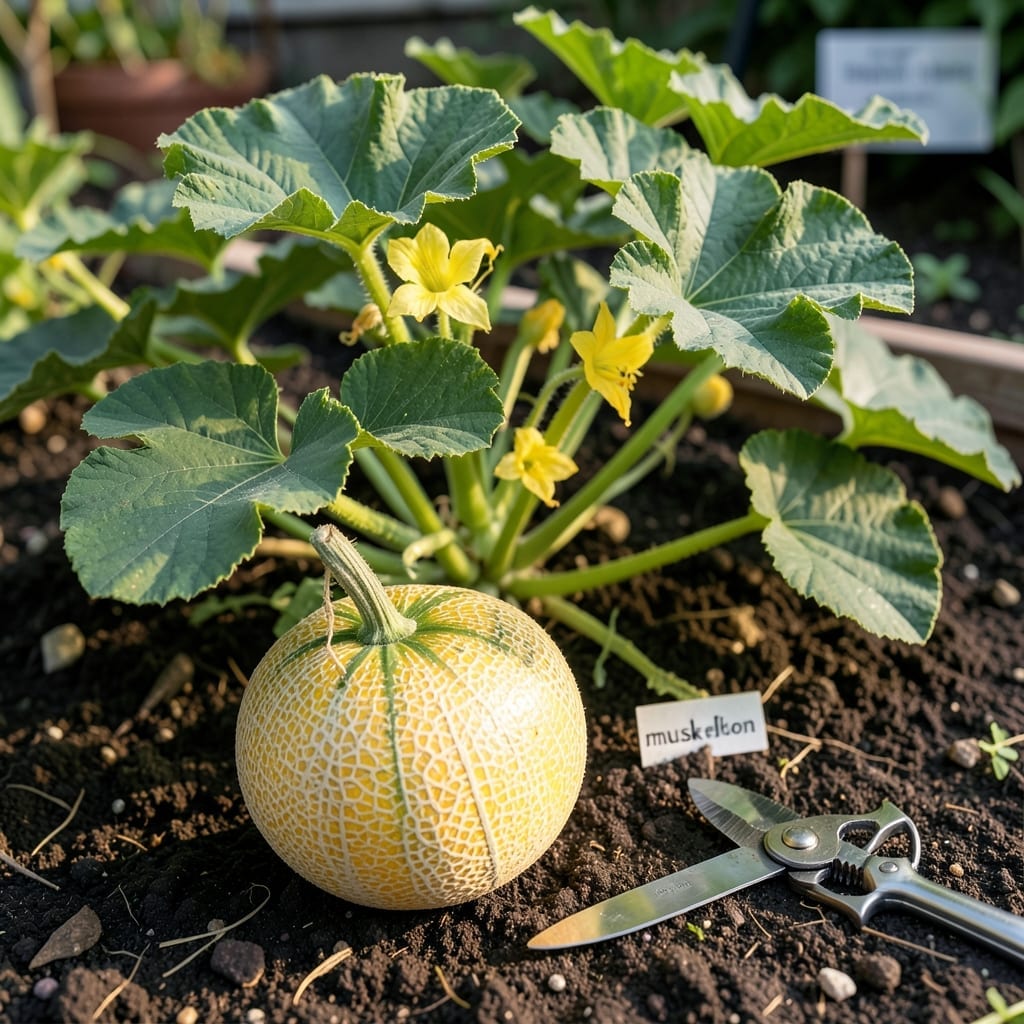
Nothing beats the sweet, fragrant taste of a perfectly ripe 🍈 Musk Melon—but picking one too early or too late can ruin the experience. I’ve learned the hard way that timing is everything with these finicky fruits.
Mastering ripeness identification means the difference between a bland disappointment and a burst of summer in every bite. The good news? It’s simpler than you think once you know what to look for.
From color shifts to stem checks, I’ll show you the most reliable methods that never fail me. These are the same techniques I use every July through September in my garden.
Let’s dive into the subtle signs that tell you your Musk Melon is ready to come off the vine and into your kitchen.
I’ve found that musk melons give clear visual signals when they’re ready to harvest. The most telling sign is the rind color change from vibrant green to a duller cream or beige. This shift happens gradually as the fruit matures. 🌱
Another key indicator is the development of netting on the skin. Immature melons have smooth rinds, but as they ripen, a raised, web-like pattern appears. This netting becomes more pronounced and turns brown or tan when fully ripe. 🌿
| Ripeness Stage | Rind Color | Netting | Blotch Pattern |
|---|---|---|---|
| Unripe | Bright green | None or faint | Absent |
| Partially Ripe | Green-yellow | Developing | Light spots |
| Fully Ripe | Cream/beige | Pronounced | Dark blotches |
Don’t overlook the blossom end of the melon. As it ripens, this area often develops a slightly softer texture and may show yellowing or cream coloring first. I check this spot daily during the final week of growth. ✂️
For regional varieties, color cues can vary. In my experience, Eastern musk melons tend to turn a golden-yellow when ripe, while Western types shift to a pale beige. Always research your specific variety. 🌻
I’ve noticed that sun exposure affects color development. Melons grown in full sun (6+ hours daily) often show more even color changes than those in partial shade. This makes ripeness easier to judge. ☀️
The netting pattern isn’t just for show—it’s a maturity indicator. A well-developed net with corky texture means the melon has reached its sugar peak. I run my fingers over it to feel the roughness. 🪴
Remember that size isn’t everything. A large musk melon isn’t necessarily ripe. I’ve harvested smaller melons that were perfectly ripe while larger ones were still green inside. Focus on color and texture instead. 🌱
For the most accurate results, I combine color checks with other methods like the stem test. A melon that’s changed color and has a drying stem is usually ready. This dual approach prevents mistakes. 🌿
Finally, morning checks work best. I examine my melons in natural daylight when colors are most visible. Artificial light can distort the true rind hue, leading to premature harvesting. ☀️
When it comes to musk melon ripeness, the stem is your best indicator. I’ve tested countless methods, and the stem check never lets me down. It’s more reliable than thumping or sniffing.
This technique works because the stem naturally detaches as the fruit matures. The key is learning the difference between full slip, partial slip, and no slip stages.
I always check the stem in the early morning when the plant is well-hydrated. This prevents false readings from dehydrated vines that might resist detachment.
The blossom end often gives off a sweet aroma when ripe, but I never rely on this alone. Some varieties are less fragrant, so the stem test remains my go-to.
For best results, combine this method with color checks. A cream-colored rind plus a full slip stem means it’s time to harvest your prize.
Remember, wet conditions can make stems appear more attached than they are. Always check when the vine is dry for accurate results. ☀️