
Beautiful Plants For Your Interior
Beautiful Plants For Your Interior
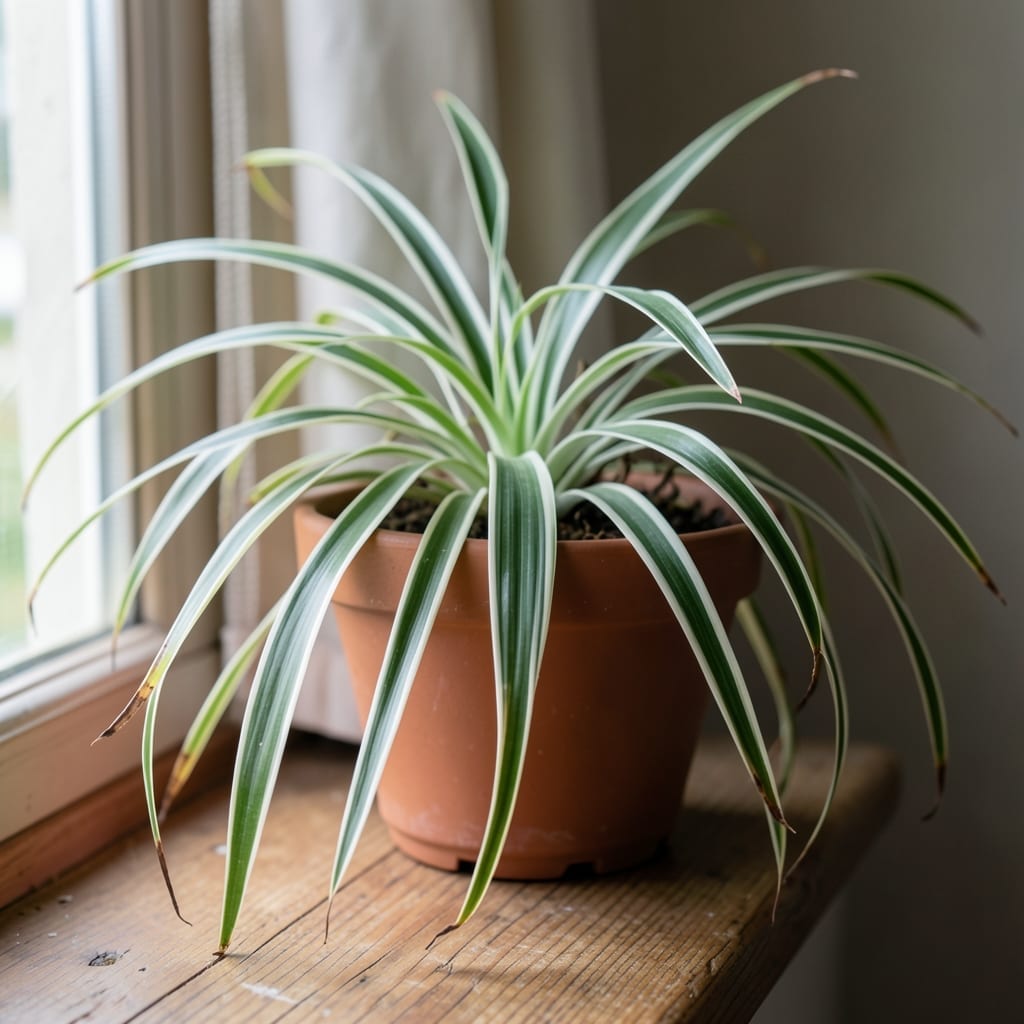
Spotting mushrooms in your houseplant soil is unsettling at first. I’ve seen this more times than I can count—usually after a period of overwatering or when the potting mix stays damp too long.
Here’s the thing—most of these fungi are harmless, feeding on organic matter in the soil rather than your plant. But some can signal trouble, like root rot or poor drainage that’s stressing your green friend.
Removal is straightforward: pluck the mushrooms, adjust your watering, and let the soil dry out between drinks. Prevention is even simpler—good drainage and proper airflow stop them from returning.
Between you and me, this is often a sign your plant care routine needs a small tweak. The fix takes 5 minutes and keeps your houseplants thriving for years.
Mushrooms sprouting in your houseplant are a sign of underlying conditions in the soil or environment. Here’s why it happens:
Fungi thrive in damp, waterlogged soil. Overwatering or pots without drainage holes create the perfect breeding ground for spores to germinate. Stagnant moisture reduces oxygen in the soil, encouraging fungal growth. Ensure your plant’s pot has drainage and you’re watering only when the top inch of soil is dry.
Houseplant soil rich in undecomposed organic material (like compost or dead leaves) provides nutrients for mushrooms. Over time, decaying roots or old potting mix can introduce fungal spores. Repotting with fresh, sterile soil every 1-2 years minimizes this risk.
Mushrooms love humid, shaded environments. If your houseplant sits in a dim bathroom or a misted greenhouse, spores in the air or soil may take hold. Improve airflow with a fan and reduce humidity levels to discourage growth.
Using unsterilized potting mix or dirty gardening tools can introduce fungal spores directly into your plant’s environment. Always pasteurize soil (bake at 200°F for 30 minutes) or buy pre-sterilized mixes to prevent contamination.
Mushrooms sprouting in your houseplant soil can be startling, but they’re usually harmless. Here’s how to tackle the most common causes and restore your plant’s home to a mushroom-free zone. Act quickly to prevent spores from spreading further.
If excess moisture is the culprit, let the soil dry out between waterings. Stick your finger an inch into the soil—if it feels damp, hold off. Prevention tip: Use pots with drainage holes and empty saucers after watering to avoid soggy conditions. 💡 Pro tip: Switch to a well-draining potting mix with perlite or sand to improve airflow.
Remove visible mushrooms with a spoon or tweezers, then scoop out the top layer of soil to eliminate hidden mycelium. Replace it with fresh, sterile potting mix. Prevention tip: Avoid using uncomposted organic matter (like leaves or bark) as mulch, as it can introduce spores. Opt for sterile alternatives like pebbles or store-bought mulch.
Move your plant to a breezier spot or use a small fan to improve airflow. Stagnant, humid air encourages fungal growth. Prevention tip: Space out your houseplants to allow air to circulate freely between them. 💡 Pro tip: Open windows occasionally to refresh the air around your plants.
For severe cases, repot the plant entirely. Gently remove the plant, shake off the old soil, and rinse the roots with lukewarm water. Use a new pot (or thoroughly clean the old one with bleach) and fresh, sterile potting mix. Prevention tip: Always use high-quality, sterilized soil for houseplants to minimize contamination risks.
With these steps, your houseplant will be back to thriving—mushroom-free! Keep an eye on moisture levels and soil health to prevent future surprises.
Most are harmless and feed on decaying organic matter. However, they can indicate overwatering or poor drainage which may harm your plant. Remove them and check soil conditions.
Only for severe infestations. For a few mushrooms, just pluck them and replace the top 1-2 inches of soil. Repotting is best if the entire mix is contaminated.
Ensure proper drainage, avoid overwatering, and use sterile potting mix. Improve airflow around your plant and reduce humidity levels.