
Beautiful Plants For Your Interior
Beautiful Plants For Your Interior
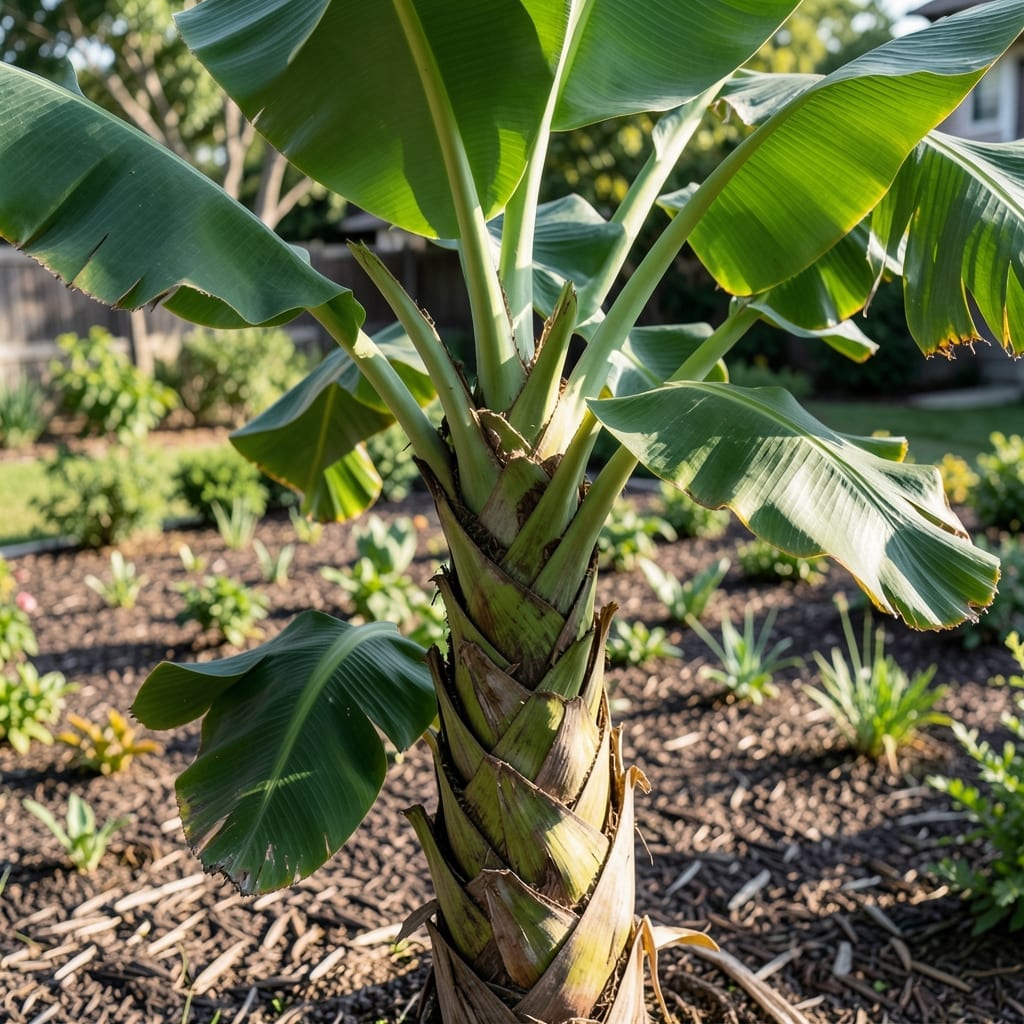
Imagine watching your garden transform with a plant that grows faster than most tropical species. The Japanese Fiber Banana 🍌 is that showstopper, capable of adding dramatic height in just one season.
I was amazed the first time I saw mine shoot up 3 feet in a few short months. This hardy banana isn’t just about speed—it’s about bringing that lush, exotic look to gardens in zones 5-11.
What makes its growth rate so impressive? A combination of ideal conditions and proper care can push this plant to reach 14 feet at maturity. But there’s more to it than just planting and waiting.
Let me walk you through how to harness this growth potential and what to expect each year. You’ll be surprised how quickly it becomes the centerpiece of your outdoor space.


If you want a tropical look fast, the Musa Basjoo delivers. Under ideal conditions, this hardy banana can shoot up 3 to 6 feet per year. I’ve seen mine double in height during a single warm season with the right care.
In its first year, expect 3-4 feet of growth. By year two, it often reaches 6-8 feet, and in year three, it can hit 10-12 feet. At full maturity, this plant can tower up to 14 feet tall, making it a showstopper in any garden.
| Stage | Height | Notes |
|---|---|---|
| Year 1 | 3-4 ft | Rapid initial growth |
| Year 2 | 6-8 ft | Establishes strong roots |
| Year 3 | 10-12 ft | Near mature height |
| Mature | 10-14 ft | Full tropical presence |
The growing season for Musa Basjoo is primarily spring to early summer. During this time, the plant pushes out new pseudo-stems and large, lush leaves at an impressive rate. Each new leaf can unfurl in just a few days.
I’ve noticed that warm temperatures between 70-85°F accelerate growth significantly. Cooler climates will slow it down, but even in USDA zones 5-11, you’ll see steady progress if you protect it from frost.
Well-draining soil is crucial. If the roots sit in water, growth stalls and rot can set in. I always mix in compost or organic matter to improve drainage and fertility, which gives my Musa Basjoo a real boost.
This plant thrives in full sun to partial shade. In my experience, 6+ hours of sunlight daily results in the fastest, healthiest growth. Less light means slower development and smaller leaves.
Don’t underestimate the power of consistent watering. Musa Basjoo has high water needs, especially during active growth. I water mine deeply 2-3 times a week in summer to keep the soil evenly moist.
Fertilizing every 4-6 weeks with a balanced 10-10-10 fertilizer keeps the growth momentum going. I start feeding in early spring and continue through fall, tapering off as the plant prepares for dormancy.
With proper care, your Musa Basjoo can transform a bland corner into a lush tropical retreat in just a few seasons 🌿
If you want your Musa Basjoo to reach its 14-foot potential, you’ll need to optimize its environment. I’ve found that sunlight is the biggest game-changer—this plant thrives with 6+ hours of direct light daily.
Next, soil quality matters more than you’d think. Well-draining, nutrient-rich soil with a slightly acidic to neutral pH gives roots the best foundation for rapid growth.
Watering plays a critical role too. During the growing season, I water mine deeply 2-3 times per week, ensuring the soil stays evenly moist but never soggy.
Temperature is another key factor. While Musa Basjoo is cold-hardy to zone 5, it grows fastest in warmer climates where temperatures stay above 50°F.
Don’t overlook fertilization. A balanced 10-10-10 feed in spring and summer keeps the leaves lush and supports that rapid vertical growth we all love.
Finally, wind protection is often underestimated. Strong gusts can tear those large tropical leaves, slowing growth. I plant mine near a fence or wall for shelter. ☀️