
Beautiful Plants For Your Interior
Beautiful Plants For Your Interior
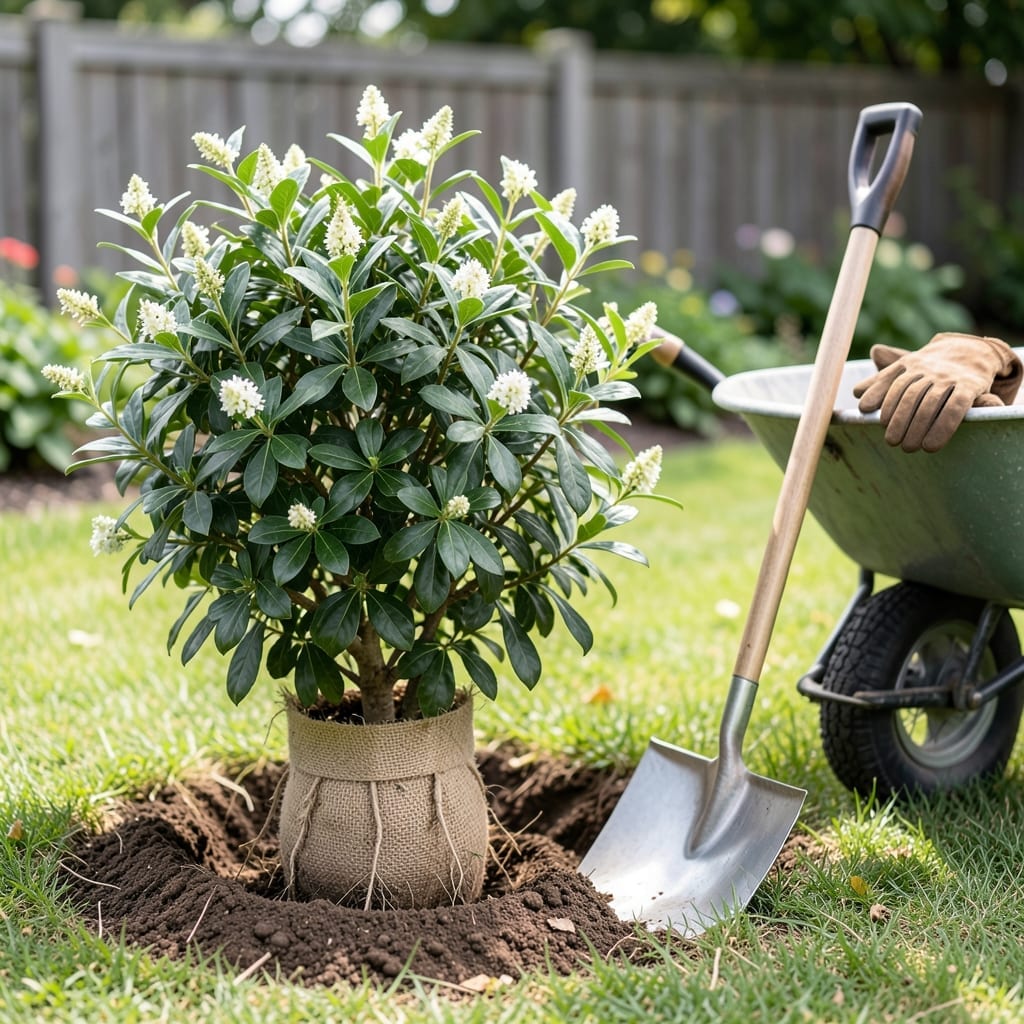
Moving your 🌿 Shrub at the wrong time can set back its growth for years. I learned this the hard way after watching a prized bush struggle to recover from a summer transplant.
Timing is everything when it comes to relocating shrubs. The best approach considers your plant’s natural cycles and local climate conditions.
In this guide, I’ll share the most effective seasons for moving bushes in zone 6, along with preparation tips that make all the difference.
Discover how to give your shrubs the healthiest start in their new home, with minimal stress and maximum success.
Timing is everything when transplanting shrubs. I’ve learned that moving bushes during their dormant seasons gives them the best chance to recover. This means early spring or late fall are ideal for most regions.
In early spring, the soil is moist and cool, which helps root systems establish before summer heat. Late fall works well too, as cooler temps reduce transplant shock before winter dormancy.
| Season | Best For | Key Benefits |
|---|---|---|
| Early Spring | Deciduous shrubs | Cool soil, new growth |
| Late Fall | Evergreen shrubs | Reduced stress, dormant |
| Avoid Summer | All shrubs | Heat stresses roots |
If you live in a warmer climate, you might get away with transplanting in winter, but only if the ground isn’t frozen. I always check the soil temperature—it should be above 40°F for best results.
For evergreen shrubs, late fall is often better than spring. Their year-round foliage needs extra time to recover before winter. I’ve seen boxwoods and holly bushes thrive when moved in September or October.
Deciduous shrubs like hydrangeas or lilacs do best in early spring. They’re still dormant, so the root shock is minimal. Just avoid moving them when buds start swelling—that’s a sign they’re waking up.
No matter the season, always water deeply a few days before moving. This ensures the root ball stays intact. I also recommend pruning back about 25% of the foliage to reduce water loss during the transition.
If you’re in USDA Zone 6, aim for March-April or September-October. These months align with the natural growth cycles of most shrubs. I’ve had great success with azaleas and rhododendrons during these windows.
Remember, avoid transplanting during extreme weather—heatwaves or freezing temps can kill even the hardiest shrubs. I once lost a dwarf Japanese maple by moving it in July—lesson learned!
Finally, mulch heavily after transplanting to retain moisture and insulate roots. I use 2-3 inches of organic mulch, keeping it a few inches away from the trunk to prevent rot.
With the right timing and care, your bushes will thrive in their new home 🌿
Transplanting bushes can feel daunting, but I’ve found that proper preparation and timing make all the difference. Start by watering deeply a few days before the move to reduce root stress and improve survival rates.
The key is handling the root ball with care. I always dig wide and deep to preserve as many roots as possible, and I never lift by the stems—this prevents damage and ensures a smoother transition.
Once the bush is in its new location, I
After replanting, I water thoroughly to remove air pockets and help the soil settle. This step is critical to prevent transplant shock and encourage new root growth in the coming weeks.
I also apply a 2-3 inch layer of mulch around the base to retain moisture and regulate soil temperature. Just be sure to keep the mulch away from the trunk to avoid rot and pest issues.
Finally, I monitor the bush closely for signs of stress, like wilting or yellowing leaves. If I notice these, I adjust my watering schedule or provide temporary shade to help it recover. ✂️