
Beautiful Plants For Your Interior
Beautiful Plants For Your Interior
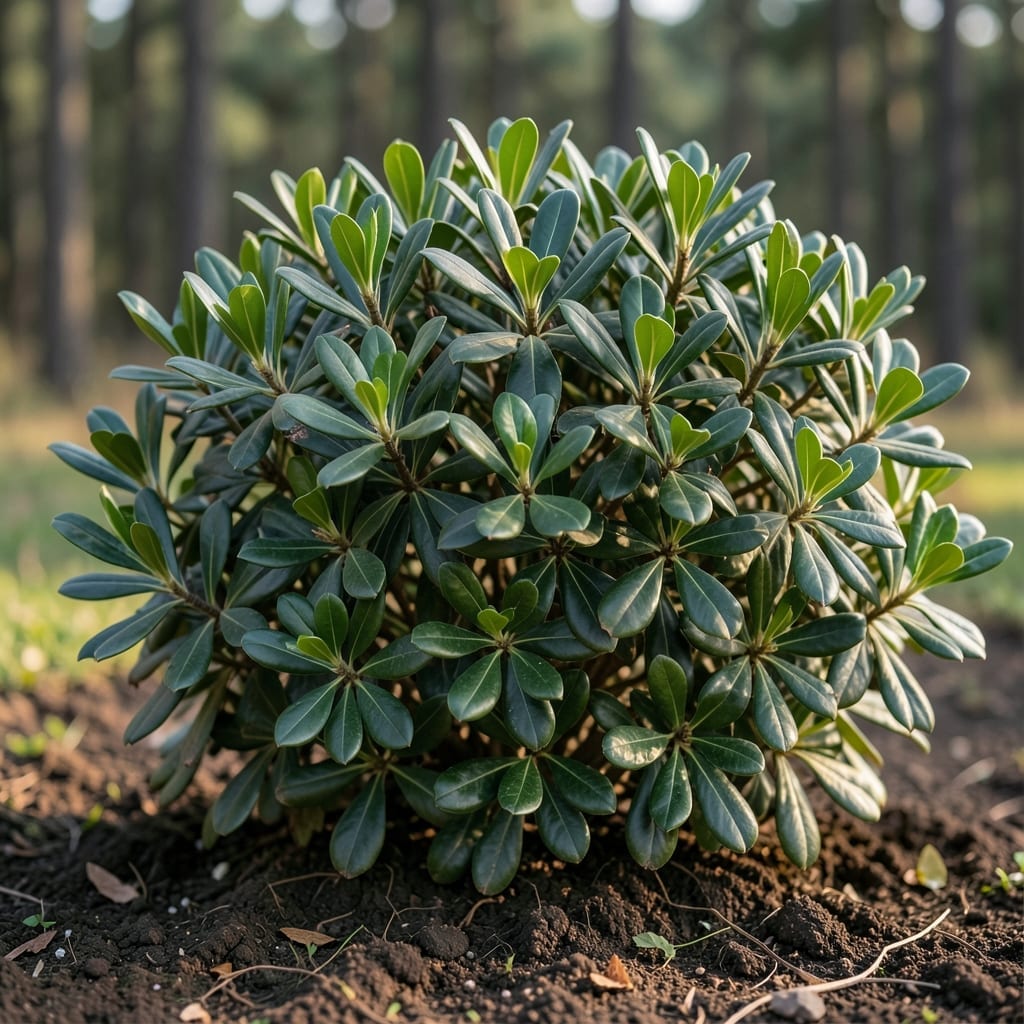
My mountain laurel sat there for three years, green but stubbornly bloom-free. Turns out I was making the classic mistake of pruning at the wrong time, cutting off the very buds that would have become flowers.
These plants set their flower buds in late summer for the next year’s display. If you prune in fall or winter, you’re removing potential blooms. Light is another culprit—too much shade means no flowers, no matter how healthy the leaves look.
After adjusting my pruning schedule and moving one to a sunnier spot, I got dozens of blossoms the following spring. The fix was simpler than I expected, but timing was everything.
Check your plant’s sunlight exposure and pruning history first. Most cases of missing blooms trace back to one of these two issues.
If your mountain laurel (Kalmia latifolia) isn’t blooming, the issue often stems from environmental or care-related factors. Below are the most common causes, explained scientifically and with actionable insights.
Mountain laurel thrives in partial sun to light shade. Too little light disrupts photosynthesis and flower bud formation. Buds develop the previous summer, so inadequate light during that period can prevent blooming the following spring. Solution: Ensure 4–6 hours of dappled sunlight daily, especially in late summer.
Pruning after late summer removes the flower buds that have already formed. Mountain laurel produces buds on old wood, so trimming in fall or winter eliminates the next year’s blooms. Solution: Prune immediately after flowering to avoid cutting off future buds.
Excess moisture leads to root rot, stressing the plant and diverting energy from flowering. Conversely, drought conditions prevent nutrient uptake, which is critical for bud development. Solution: Maintain consistently moist but well-drained soil—water deeply when the top inch of soil feels dry.
Too much nitrogen promotes foliar growth at the expense of flowers. Mountain laurel prefers acidic soil (pH 4.5–6.0) and benefits from phosphorus-rich fertilizers to encourage blooming. Solution: Test soil pH and amend with sulfur or peat moss if needed. Apply a balanced, slow-release fertilizer in early spring.
Late spring frosts can damage developing buds, while excessive heat stress inhibits flowering. Solution: Plant in a sheltered location and mulch to insulate roots. In colder zones, use burlap wraps to protect buds from late frosts.
If your mountain laurel isn’t blooming, don’t worry—there are clear fixes for the most common causes. Below are practical solutions mapped to the root issues, plus tips to keep your plant thriving year after year.
Mountain laurels need partial to full sun (4–6 hours daily) to flower. If yours is in deep shade, move it to a sunnier spot in early spring or fall. For established plants, thin nearby trees or trim overhanging branches to let more light in. Prevention tip: 💡 Plant new laurels where they’ll get morning sun and afternoon shade in hot climates.
Both drought and soggy soil can stop blooms. Water deeply 1–2 times per week (more in extreme heat), letting the top inch of soil dry between waterings. If drainage is poor, amend the soil with compost or create a slight mound to elevate the roots. Prevention tip: ✨ Mulch with 2–3 inches of bark to retain moisture and regulate temperature.
Mountain laurels prefer acidic soil (pH 4.5–6.0). Test your soil and add sulfur to lower pH or lime to raise it if needed. In early spring, apply a balanced, acid-loving plant fertilizer (e.g., 10-10-10 for evergreens) to encourage bud formation. Prevention tip: 🎯 Avoid high-nitrogen fertilizers, which promote leafy growth over flowers.
Pruning at the wrong time can remove flower buds. Mountain laurels set buds the previous summer, so prune immediately after blooming (late spring/early summer). Remove only dead or crossing branches to avoid stress. Prevention tip: ⏰ Mark your calendar for post-bloom pruning to stay on track.
Inspect leaves and stems for lace bugs, scale, or fungal spots. Spray with neem oil or insecticidal soap for pests, and improve airflow to prevent fungal diseases. Remove heavily infested branches to protect the plant. Prevention tip: 🌡️ Water at the base (not overhead) to reduce humidity around foliage.
Mountain laurel requires 4-6 hours of dappled sunlight daily. Too much shade prevents bud formation, especially in late summer when next year’s blooms develop.
Prune immediately after flowering in late spring or early summer. Buds form on old wood, so later pruning removes potential blooms.
Yes! Test for pH 4.5-6.0. Too much nitrogen or alkaline soil disrupts blooming. Amend with sulfur or peat moss if needed.
Late frosts may have damaged buds, or pruning last fall removed them. Check for temperature swings or recent trimming.