
Beautiful Plants For Your Interior
Beautiful Plants For Your Interior
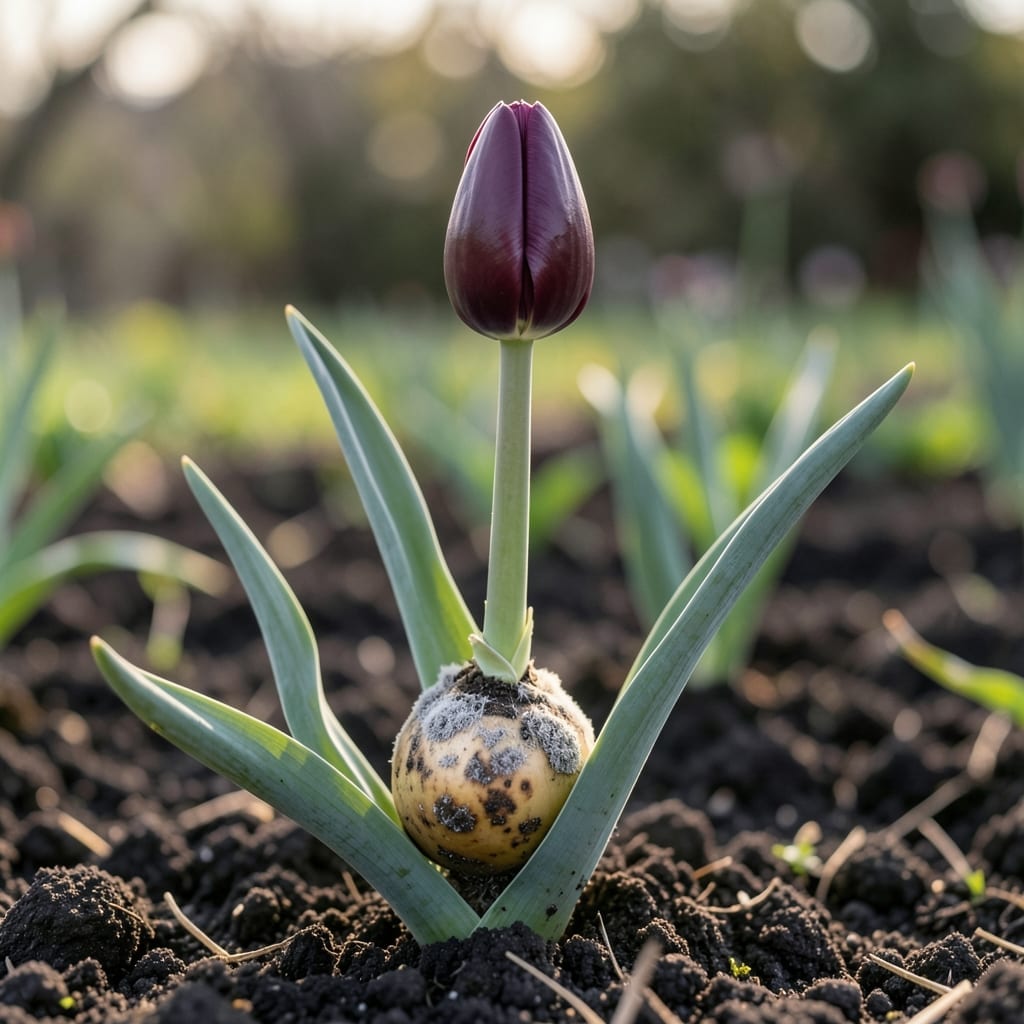
White fuzz on your tulip bulbs isn’t just ugly—it’s a warning sign. I’ve lost entire batches of bulbs to mould after one damp storage season taught me the hard way.
It starts with poor airflow and too much moisture, but the fix is simpler than you think. Proper storage conditions and a quick inspection before planting can save your spring display.
You’ll spot the difference between healthy bulbs and troubled ones immediately once you know what to look for. Firm, dry bulbs mean you’re on the right track.
Works for stored bulbs, newly purchased ones, or those already in the ground. Here’s how to keep them clean and ready to bloom.
Mould on tulip bulbs is a frustrating issue, but understanding the root causes can help you prevent it. Here are the most common reasons this problem occurs:
Tulip bulbs thrive in well-drained soil, and excess moisture is a primary culprit for mould growth. When bulbs sit in waterlogged soil or are stored in damp conditions, fungal spores—like Botrytis or Penicillium—quickly take hold. These fungi flourish in high humidity, breaking down the bulb’s protective layers and leading to rot.
Storing bulbs in airtight containers or poorly ventilated spaces traps moisture and creates a breeding ground for mould. Tulip bulbs need consistent airflow to stay dry. Without it, condensation builds up, accelerating fungal development. This is especially critical during storage after digging up bulbs for the off-season.
Mould spores can linger in infected soil or on unsterilized gardening tools. If you plant tulip bulbs in soil previously used for mould-prone plants or handle them with dirty tools, you risk transferring spores directly to the bulbs. Always clean tools with a 10% bleach solution and rotate planting areas to reduce contamination risks.
Planting tulip bulbs too closely together restricts airflow and increases humidity around the bulbs. This creates microclimates where moisture can’t evaporate, fostering mould growth. Follow spacing guidelines (typically 4–6 inches apart) to ensure proper circulation and reduce disease pressure.
Mould on your tulip bulbs doesn’t have to mean the end of your garden dreams. With the right approach, you can salvage your bulbs and prevent future outbreaks. Here’s how to tackle the most common causes:
If your bulbs are sitting in soggy soil, relocate them to a spot with better drainage. Amend the soil with sand or gravel to encourage water flow. For potted bulbs, ensure containers have drainage holes and use a well-draining potting mix. Prevention tip: 💡 Water bulbs only when the top inch of soil feels dry.
Mould thrives in stale, humid air. Space bulbs at least 4-6 inches apart to allow airflow. If storing bulbs, use mesh bags or open crates instead of plastic. Prevention tip: ✨ Store bulbs in a cool, dry place with a small fan to keep air circulating.
Fungal spores linger in infected soil. Remove mouldy bulbs and discard them (do not compost). Treat the area with a natural fungicide like neem oil or a baking soda solution (1 tbsp per gallon of water). Prevention tip: 🎯 Rotate planting locations yearly to avoid buildup of pathogens.
Bulbs packed too tightly trap moisture. Spread them out in a single layer and inspect weekly for early signs of mould. Remove any affected bulbs immediately. Prevention tip: 🌡️ Store bulbs at 60-65°F (15-18°C) with low humidity.
With these fixes, your tulip bulbs can stay healthy and mould-free for seasons to come!
Look for white, gray, or green fuzzy growth on the surface. Healthy bulbs are firm and dry, while mouldy ones may feel soft or have a musty smell.
No, planting affected bulbs can spread spores to healthy ones. Discard them immediately and disinfect the storage area with a 10% bleach solution.
Use mesh bags or open crates in a cool, dry place with good airflow. Keep temperatures between 60-65°F (15-18°C) and check bulbs weekly.
Only after treating it with a natural fungicide like neem oil. Rotate planting spots yearly to avoid recurring issues.