
Beautiful Plants For Your Interior
Beautiful Plants For Your Interior
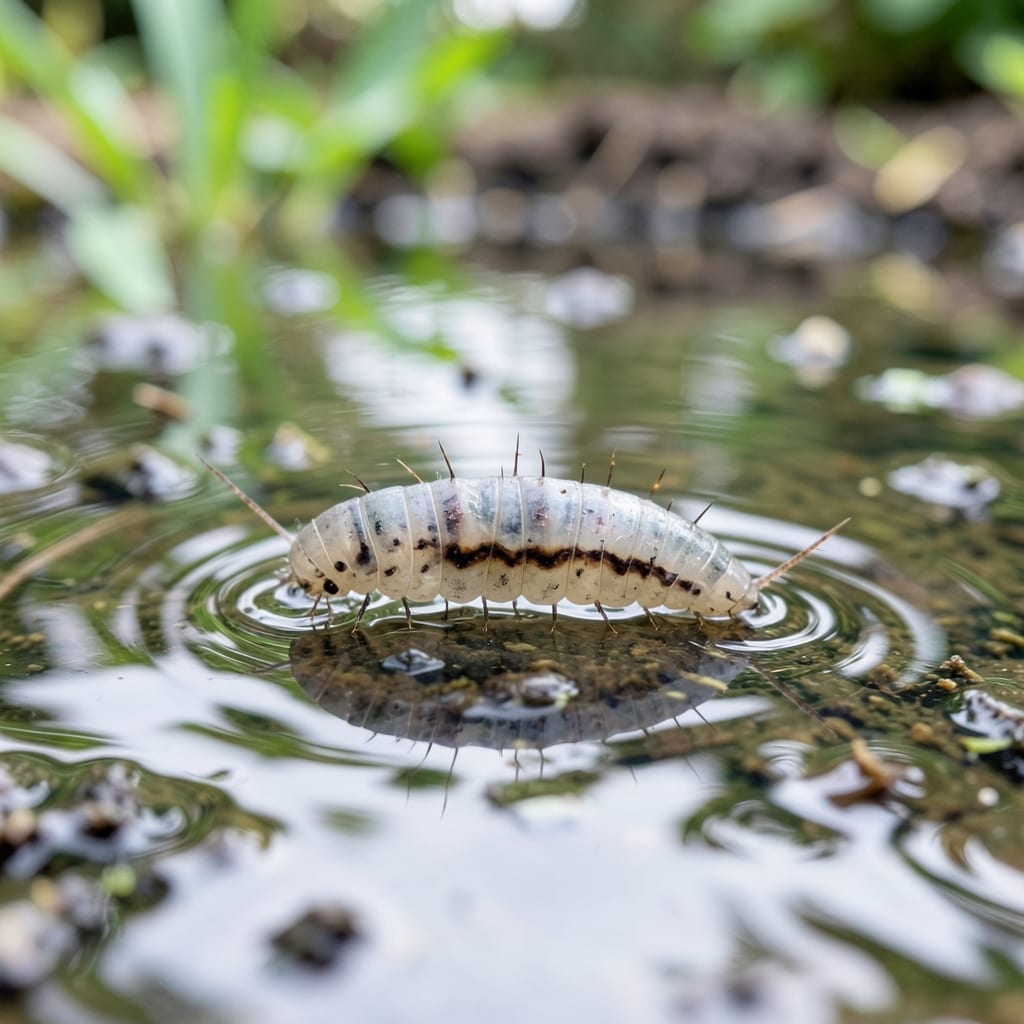
That still water in your pond isn’t just stagnant—it’s a breeding ground. I learned the hard way that one neglected bucket can spawn thousands of mosquitoes in days.
Natural solutions beat chemicals every time. A few strategic changes to the water environment disrupt the larvae’s lifecycle completely. No harsh treatments, just smart adjustments that work with nature.
You’ll notice results within 48 hours as the surface clears and the buzzing stops. The methods are simple, effective, and won’t harm fish or beneficial insects.
Works for ponds, birdbaths, and any standing water. Here’s how to reclaim your outdoor space without the bite.
Mosquito larvae thrive in water due to a mix of biological and environmental factors. Understanding these causes helps you prevent infestations before they start. Here’s why they show up in the first place:
Mosquitoes lay eggs in standing water because it provides a safe, nutrient-rich environment for larvae to hatch and develop. Without movement or filtration, water becomes a perfect breeding ground. Even small amounts—like in plant saucers, clogged gutters, or untended ponds—can harbor hundreds of larvae within days.
Larvae develop fastest in warm water (70–85°F). Higher temperatures accelerate their life cycle, allowing them to mature from egg to adult in as little as 7–10 days. Tropical and temperate climates, or even heated garden ponds, create ideal conditions for rapid multiplication.
Decaying leaves, algae, and other organic matter in water provide food for larvae. As bacteria break down these materials, they release nutrients that larvae consume. Ponds or containers with abundant debris often see heavier infestations.
In undisturbed water, mosquito larvae face few threats. Without fish, dragonfly nymphs, or birds to eat them, their populations explode. Man-made water features (e.g., fountains, birdbaths) often lack these predators, making them prime targets.
Addressing these root causes—like improving water circulation or introducing predators—can drastically reduce larvae before they become biting adults.
Mosquito larvae thrive in stagnant water, but you can reclaim your pond or water feature with these targeted solutions. Below are practical fixes mapped to common causes, along with prevention tips to keep them from returning.
If your water source is artificial (e.g., buckets, birdbaths, or clogged gutters), empty it completely. For larger bodies like ponds, add a fountain or aerator to create movement—larvae can’t survive in agitated water. For rain barrels, ensure they’re sealed tightly or use a fine mesh cover.
Leaves, algae, and plant matter provide food for larvae. Skim the surface weekly with a net, and vacuum the bottom if possible. For ponds, introduce larvivorous fish like gambusia or goldfish, which feast on larvae naturally. Avoid overfeeding fish to prevent excess organic buildup.
Excess nutrients (e.g., from fertilizers or decaying plants) fuel algae blooms, which mosquito larvae love. Reduce runoff by planting a buffer of vegetation around the water. Add beneficial bacteria (available at garden stores) to break down organic matter and starve larvae. Avoid chemical treatments unless absolutely necessary—they can harm other wildlife.
By addressing the root cause and staying proactive, you can enjoy a larvae-free, crystal-clear water feature all season long.
In ideal conditions, larvae can develop from egg to adult in just 7–10 days. Warmer water (70–85°F) speeds up their growth, so acting quickly is key.
Avoid bleach—it harms ecosystems and other wildlife. Natural methods like introducing fish or adding aeration are safer and just as effective.
Yes! Moving water disrupts their life cycle. A small solar-powered fountain or aerator keeps the surface agitated, making it impossible for larvae to survive.
Fish like gambusia, goldfish, and dragonfly nymphs are voracious predators. Encouraging these in ponds provides long-term control without chemicals.