
Beautiful Plants For Your Interior
Beautiful Plants For Your Interior
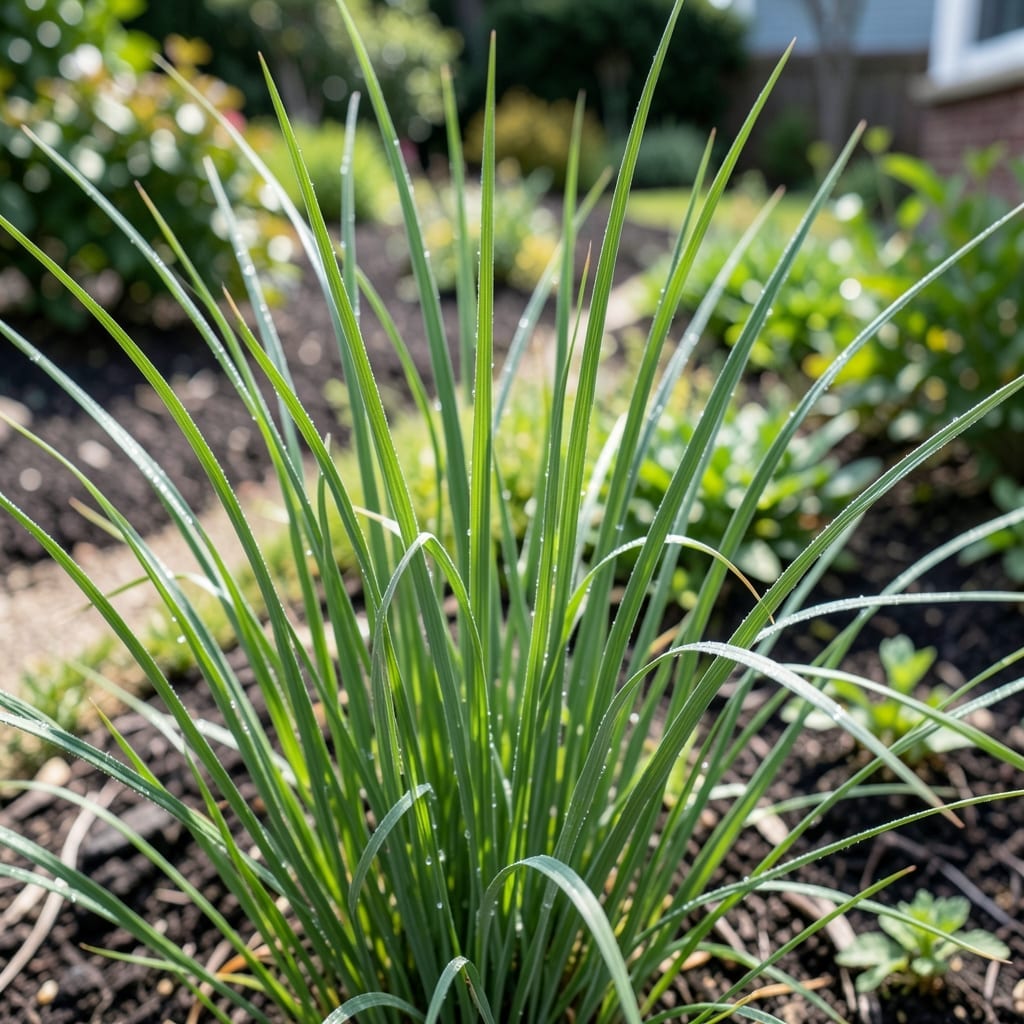
Last summer, my patio was a no-fly zone for me, not the mosquitoes. The solution came in the form of plants that naturally keep those pests away.
Citronella, lavender, and marigolds aren’t just pretty—they pack a scent that mosquitoes hate. I planted them in 12-inch pots around seating areas, and the difference was immediate.
These plants thrive in full sun and need minimal care. Water them like you would any patio plant, and they’ll reward you with season-long protection.
No sprays, no chemicals—just nature doing the work. Works for balconies, decks, or any outdoor space where you want to relax without swatting.
Mosquitoes are drawn to patios for several biological and environmental reasons. Understanding these causes helps explain why certain plants can effectively repel them.
Mosquitoes lay their eggs in stagnant water, which is often found in flowerpot saucers, clogged gutters, or even puddles on patio furniture. Female mosquitoes can detect water sources from up to 30 feet away using their antennae, making damp patios prime breeding grounds.
Patios often trap heat, especially in urban areas with concrete or stone surfaces. Mosquitoes thrive in warm, humid environments (ideally 70–85°F), and human activity—like grilling or sitting outdoors—releases moisture and body heat, luring them closer.
Mosquitoes are highly sensitive to CO₂, which humans exhale. They can detect it from 50–100 feet away. Additionally, lactic acid, ammonia, and other compounds in sweat act as chemical signals, drawing them to patios where people gather.
Most patios lack plants that emit mosquito-deterring compounds like citronella, geraniol, or nepetalactone. Without these natural barriers, mosquitoes freely invade, sensing no threat to their survival.
Transform your patio into a mosquito-free zone with these simple, plant-based solutions. Each approach targets common issues while enhancing your outdoor space.
Mosquitos breed in stagnant water, but you can fight back with plants that thrive in damp areas. Citronella grass, lemongrass, and catnip love moisture and release natural repellents. Place them near birdbaths or drainage spots. Prevention tip: Empty saucers under pots weekly to eliminate breeding grounds.
Fill gaps in your patio with dense, fragrant plants like lavender, rosemary, or marigolds. Their strong scents mask human odors that attract mosquitos. Group them in clusters for maximum effect. Prevention tip: Prune regularly to encourage bushier growth and more oil production.
Stagnant air lets mosquitos linger. Place potted basil, mint, or peppermint on tabletops or hanging planters to create air movement as you brush past. Their aromas also deter pests. Prevention tip: Rotate pots occasionally to disrupt mosquito flight paths.
💡 Pro tip: Crush a few leaves of your repellent plants before outdoor gatherings to release more oils and boost protection.
You’ll notice a difference within 24-48 hours as the plants release their natural oils. For best results, crush a few leaves to intensify the scent right before outdoor use.
Start with 4-6 large pots (12-16 inch diameter) placed around seating areas. Add smaller pots on tables for extra protection. More plants mean stronger coverage.
Most need 6+ hours of sun daily, but mint and lemongrass tolerate partial shade. Check plant tags for specific light requirements before purchasing.
Most are perennials in warm climates but may need winter protection in colder zones. Citronella and lavender often return yearly with proper care.