
Beautiful Plants For Your Interior
Beautiful Plants For Your Interior
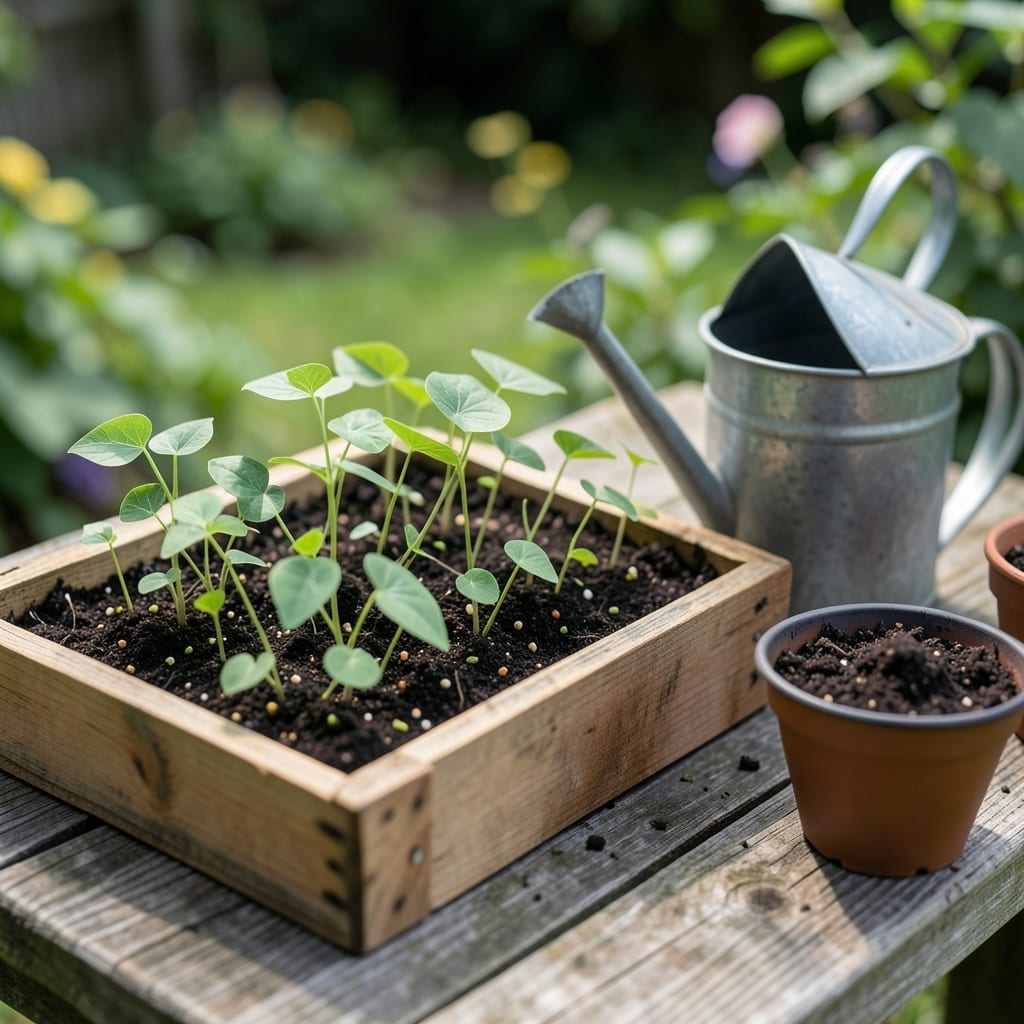
There’s something magical about watching 🌸 Morning Glory seeds transform into vibrant vines. But how long does it actually take for those first green shoots to appear?
As a gardener in zone 6a, I’ve learned that timing is everything. While some seeds sprout in just 5 days, others might take up to 12, depending on conditions you can control.
Let me walk you through the key factors that speed up or slow down this process, so you can plan your spring planting with confidence.
Under perfect conditions, I’ve seen morning glory seeds sprout in as little as 5 to 7 days. However, the typical range is 5 to 12 days, depending on environmental factors. The key is providing consistent warmth and moisture.
In my experience, 70-85°F soil temperature is the sweet spot for fast germination. Cooler soils can double the time, while overly hot conditions may stress the seeds. Light exposure also plays a role, as these seeds often germinate best with some light.
| Factor | Optimal Condition | Impact on Germination |
|---|---|---|
| Temperature | 70-85°F | Speeds up to 5-7 days |
| Moisture | Consistently damp | Prevents drying out |
| Light | Indirect light | Encourages even growth |
| Seed Age | Fresh (1-2 years) | Higher viability |
| Pre-Treatment | Scarification/soaking | Reduces time by 2-3 days |
I always recommend pre-soaking seeds for 12-24 hours before planting. This softens the hard outer shell, allowing moisture to penetrate faster. For even better results, I use a heat mat to maintain steady soil warmth.
Another trick I’ve found helpful is planting seeds ¼ inch deep. Any deeper, and the seedlings struggle to break through. Shallow planting also helps with light exposure, which morning glories love during germination.
If you’re starting indoors, place seed trays near a south-facing window or under grow lights. Outdoors, wait until after the last frost when soil temps are reliably above 60°F. In zone 6a, that’s usually mid-April for me.
Seed age matters more than you might think. Older seeds can take 14-21 days or may not germinate at all. Always check the packet date and store unused seeds in a cool, dry place.
For varieties, ‘Heavenly Blue’ and ‘Crimson Rambler’ are among the fastest germinators in my garden. These typically sprout in 5-8 days under ideal conditions, making them great choices for impatient gardeners.
Remember, consistency is key. Fluctuating temperatures or moisture levels can delay germination or cause uneven sprouting. I use a spray bottle to keep the soil surface damp without disturbing the seeds.
With these factors dialed in, you’ll see those first green shoots pushing through the soil right on schedule. It’s one of the most rewarding moments in gardening! 🌱
Even with the best intentions, I’ve made germination mistakes that set my morning glories back. The most common culprit is overwatering, which can rot seeds before they sprout. Soggy soil creates a hostile environment for delicate roots.
Another frequent issue is planting too deep. Morning glory seeds need light to germinate, so burying them more than ¼ inch can prevent sprouting. I learned this the hard way with a batch that never emerged.
⚠️ Warning: Avoid these germination killers for morning glories:
I’ve also struggled with inconsistent moisture. Letting the soil dry out completely can kill germinating seeds, while keeping it too wet suffocates them. The solution? I use a spray bottle to maintain even moisture without waterlogging.
Poor soil temperature is another silent killer. If your soil is below 60°F, seeds may take 3 weeks or more to sprout—or not at all. A soil thermometer is an inexpensive tool that saves guesswork.
Using old seeds is a common oversight. I now check the packet date and perform a float test—viable seeds sink in water, while old ones float. This simple step prevents planting duds.
Finally, insufficient light after germination causes weak, stretched seedlings. I position my seed trays in a bright location or under grow lights for 12-14 hours daily. This ensures sturdy growth from the start. ☀️