
Beautiful Plants For Your Interior
Beautiful Plants For Your Interior
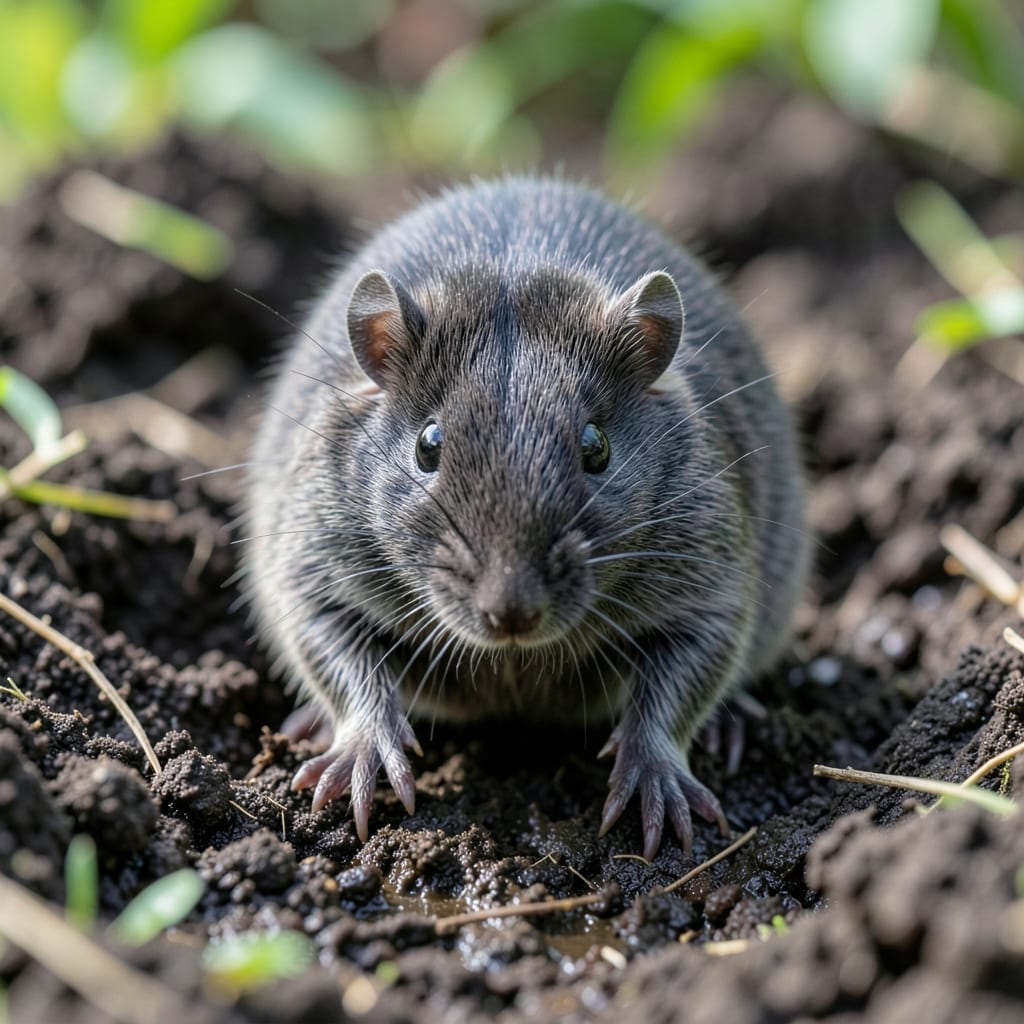
Those little mounds in your yard aren’t from fairies. Moles in Florida can turn a pristine lawn into a bumpy mess overnight, and I’ve spent too many weekends filling in their tunnels.
Here’s the thing—they’re not eating your plants, but their digging destroys roots and ruins aesthetics. The good news? You can encourage them to move on without harm. Natural solutions work better than you’d expect.
I’ve tested everything from castor oil to vibration stakes. The right approach saves your garden without chemicals and keeps the ecosystem intact. No more waking up to new molehills.
Works for any Florida yard, from sandy coasts to clay-heavy inland soil. Let’s send them packing humanely.
Moles in Florida gardens are often a sign of ideal underground conditions. These small, burrowing mammals are drawn to loose, moist soil and an abundance of food. Understanding the key causes can help you address the root of the problem.
Florida’s sandy, well-aerated soil is a mole’s dream. This type of soil allows them to dig tunnels effortlessly while searching for food. The looser the soil, the easier it is for moles to navigate and create their complex underground networks.
Moles primarily feed on grubs, earthworms, and other soil-dwelling insects. Florida’s warm, humid climate supports a thriving population of these creatures, providing a buffet for moles. If your yard has a high concentration of these pests, moles will be naturally attracted to it.
Moles prefer damp environments because they help soften the soil, making it easier to dig. Overwatered lawns, poor drainage, or high water tables in Florida can create the perfect habitat. Reducing excess moisture can make your yard less appealing to these burrowers.
A thick layer of thatch (dead grass and organic matter) on your lawn can retain moisture and harbor insects, two things moles love. Regular aeration and dethatching can help deter them by making the soil less hospitable.
Dealing with moles in your Florida garden doesn’t have to be a losing battle. Here’s how to tackle the problem humanely and effectively, with prevention tips to keep them from returning.
If moles are tunneling through your yard, create a physical barrier to block their path. Bury hardware cloth or galvanized mesh at least 2 feet deep around garden beds or lawn edges. This prevents them from digging underneath. For existing tunnels, insert the barrier vertically to disrupt their routes.
Prevention tip: 💡 Extend the barrier 6 inches above ground to deter surface entry.
Moles dislike wet conditions. If you locate active tunnels (check for fresh dirt mounds), flood them with a garden hose. Fill the tunnels completely to force them to relocate. Repeat every few days until activity stops.
Prevention tip: 🌧️ Maintain consistent soil moisture in problem areas—moles prefer dry, loose dirt.
Use plants moles hate. Castor beans, marigolds, or garlic planted around the perimeter can repel them with their strong odors. Alternatively, soak cotton balls in castor oil and place them in tunnels for a non-toxic solution.
Prevention tip: ✨ Reapply castor oil after rain for lasting effects.
For persistent moles, use live traps (like scissor-jaw or bucket traps) placed near active tunnels. Check traps daily and release moles at least 5 miles away in a wooded or natural area. Avoid lethal traps for a cruelty-free approach.
Prevention tip: 🎯 Rotate trap locations every few days to catch new moles.
They love loose, moist soil and plenty of grubs or earthworms. Florida’s sandy soil and warm climate create perfect conditions for their food sources.
They don’t eat plants, but their tunnels can disrupt roots and create uneven ground. This can weaken grass and garden beds over time.
Check for fresh dirt mounds or new tunnels. If the soil is soft when pressed, the tunnel is likely active. Old tunnels feel firm.
Yes! Castor beans, marigolds, and garlic release odors they dislike. Plant these around garden edges for a chemical-free deterrent.